
Five Basic Commands to Get You Started
Five Basic Commands To Get You Started
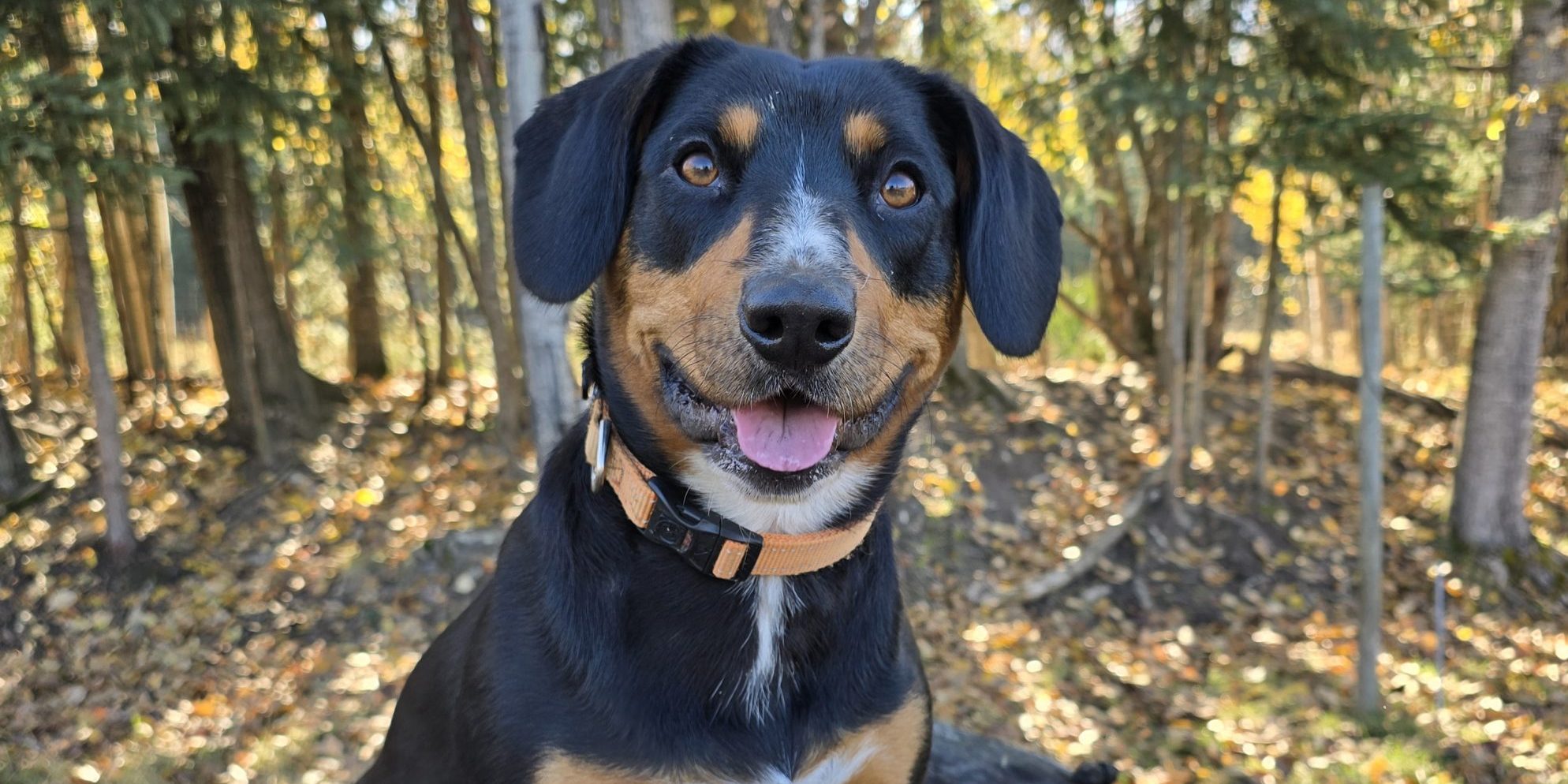
Sit
“Sit” is one of the most useful commands your dog can learn. You can teach it by rewarding your puppy when they naturally sit, or by gently guiding them into position with a treat held just above their nose and moved back over their head. As soon as their bottom touches the ground, praise and reward them.
Another option is to gently guide your puppy into a sit using your hands, always followed by praise and a treat. This helps build trust and teaches your puppy that handling is safe and positive.
Stay
“Stay” is best taught slowly and positively. Start with your puppy in a Sit or Down, take one small step away, then return and reward them. Gradually increase the time and distance as they improve, always setting them up for success. It’s better to stay close at first and reward often.
Some puppies find “Stay” challenging, so frequent praise and rewards help them feel confident. Make sure you return to your dog to reward them most of the time, rather than always calling them out of the stay.
Heel
Walking nicely beside you is a skill that improves with rewards and practice. Mark the behaviour you like—such as eye contact or staying close—with a word or clicker, then reward your puppy. Start with just a few steps at a time and gradually build up distance before rewarding.
If your puppy starts pulling, simply refocus them and reward more often. Over time, as walking calmly becomes a habit, you can slowly reduce treats while continuing to praise good behaviour.
Down
“Down” can be taught gently using a treat. Start with your puppy sitting, then slowly guide the treat from their nose toward the floor and forward until they lie down. Reward immediately when they reach the position.
Keep in mind that body shapes vary, so Down may look different in some dogs, especially for deep-chested breeds. As long as your puppy is lying comfortably, they’re doing great.
Come
A reliable “Come” is one of the most important commands your dog will learn. Start practicing on a leash in an area that has few distractions. Say your puppy’s name and “Come” in a happy, encouraging voice, and reward them enthusiastically when they reach you.
As your puppy improves, practice with a longer line and gradually add distractions. Always make coming to you a positive experience—never use a harsh tone or punishment. With frequent practice and great rewards, your puppy will learn that coming when called is always worth it