
Choosing the right breed
One of the most enjoyable steps in adding a new four-legged member to your family, is choosing a breed. The CKC recognizes over 187 breeds, which are sorted into seven breed groups. There are also “Miscellaneous” breeds which are breeds that are in the process of gaining full CKC recognition. Each breed has their own unique traits and characteristics. It is worthwhile to do some research and narrow down your choices to two or three breeds suited to your lifestyle, then gather as much information as you can before making a final choice.
One of the ways you can learn more about your preferred breed is to visit one of the many CKC events held throughout Canada each year. While there, chat with the owners and breeders, who can provide you with information about what it’s like to own a specific dog breed.
Find an event near you by using the Canuck Dogs Calendar of Events
One advantage of purebred dogs is that the qualities of each generation (size, coat, temperament, etc.) are passed on to the next. Of course, all breeds are different, so when you meet a mature dog of your preferred breeds, consider the following when developing your short list:
- Size
- Space requirements
- Coat Type
- Grooming time
- Energy Level
- Exercise needs
- Original purpose
- Instinctive activity (i.e., barking, protecting, retrieving, etc.)
- Temperament
- Obedience needs, level of independence or attachment, aggressive or passive nature, etc.
- Allergies - While no breed is completely hypoallergenic, some breeds are less likely to bother those who suffer from allergies.
Recognized breeds are categorized based on the functions for which they were originally developed. Whether bred to hunt, guard, herd, pull, or provide companionship, all dogs reflect purposeful breeding and a long-standing partnership with humans. Each breed group highlights the diverse roles dogs have fulfilled throughout history.
Sporting Dogs
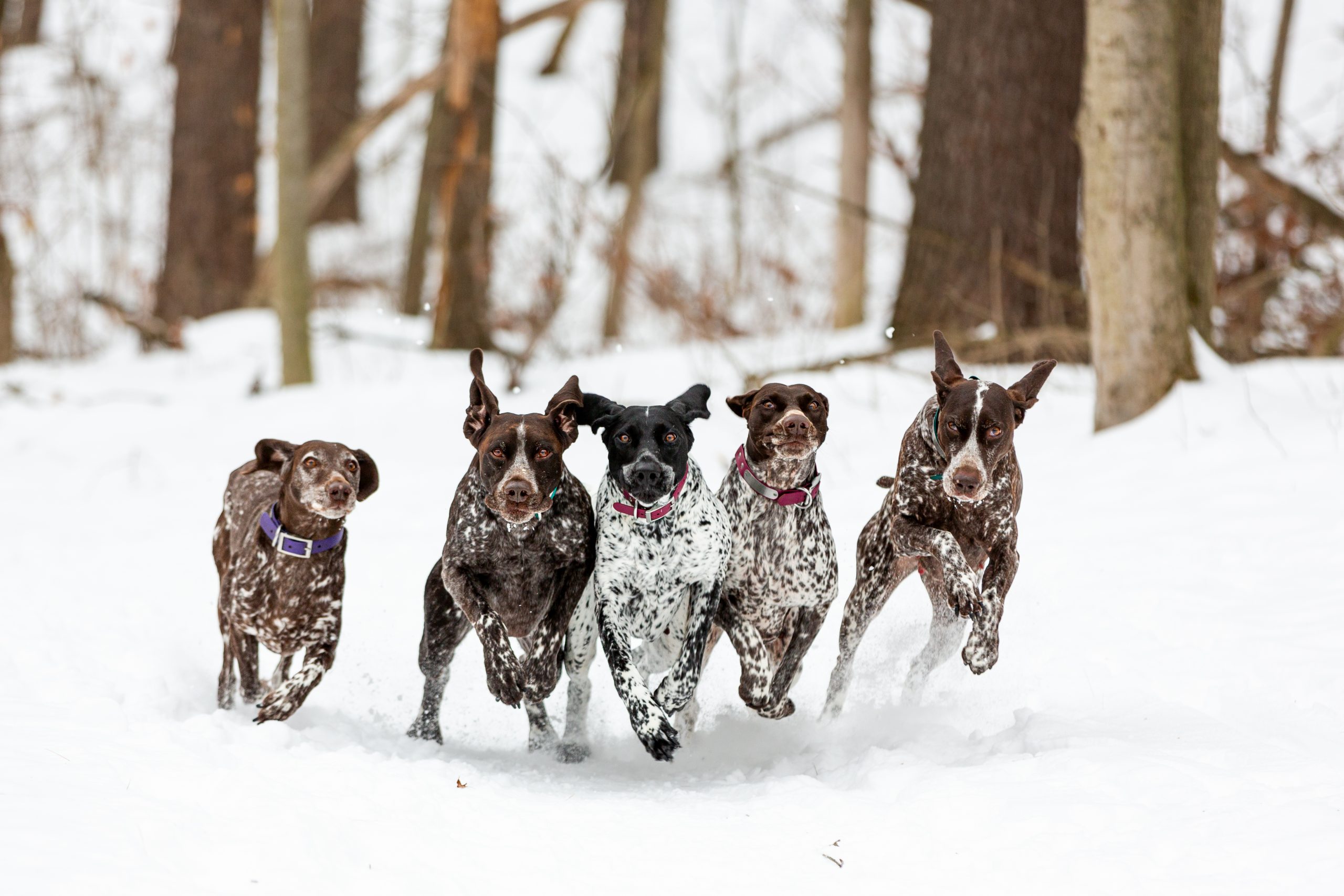
For many centuries, Sporting breeds have been employed to find, flush out, and retrieve game birds.
Breeds
The group includes a variety of Retrievers, Pointers, Setters, and Spaniels.
Size
Most are medium in size, with the American Cocker Spaniel being the smallest of the crew and the English, Irish, and Gordon Setters the largest.
Trainability
The ability to respond to a variety of commands is a must for the Sporting set. Most take quite happily to a training regime.
Characteristics
The Golden Retriever and Labrador Retriever are two of the most popular choices for obedience competition, attesting to the Sporting set’s willingness to please and desire to work.
Explore Sporting Dogs
Hounds
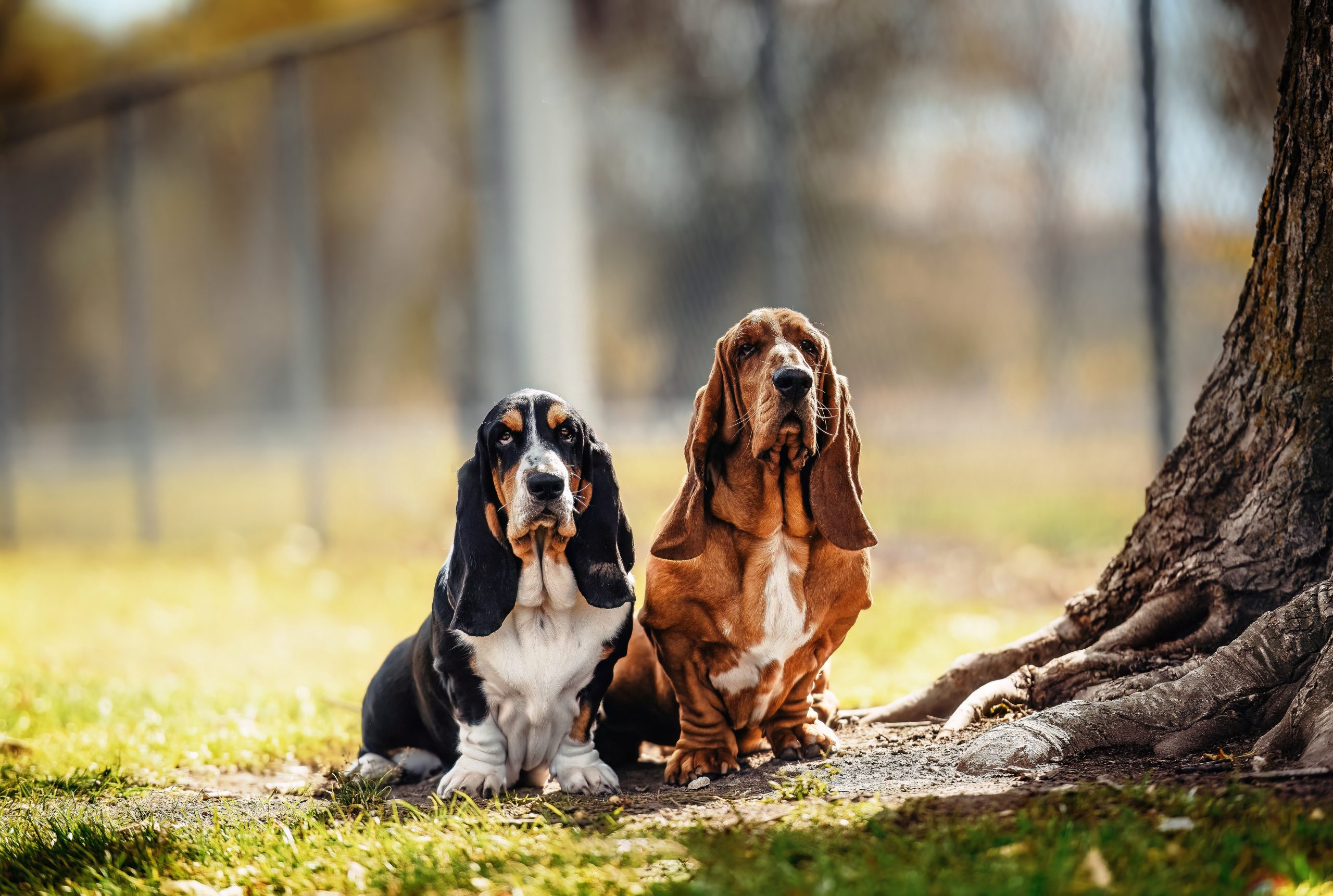
Hound breeds are split into two groups – those long-limbed canines that hunt by sight (aptly enough referred to as sighthounds or, occasionally, gazehounds) and those that hunt by scent, not surprisingly, are called scent hounds. Their quarry is the furred and four-footed variety.
Activity level
Whether sighthound or scent hound, these dogs are bred to pursue game. The sighthounds do it in bursts of top speed, running down everything from rabbits to gazelle, always keeping them in sight. Scent hounds follow the scent trail, moving at a slower speed but working relentlessly. When not running at a mind-boggling gallop, sighthounds are often content to be couch potatoes. Scent hounds are more likely to cover greater distances in their pursuits and tend to need more exercise to keep in shape .
Size
No group has a greater size variation than the Hound Group. From the diminutive Miniature Dachshunds, which, at 4.5 kilograms (10 pounds), are smaller than many Toy breeds, to the Irish Wolfhound that towers over the rest of dogdom with a minimum height of 81 centimetres (32 inches) and a minimum weight for males of 54 kilograms (120 pounds), hound breeds run the full gamut of sizes.
Trainability
Instinct often means more to hounds than pleasing their owners. Give them something to pursue and they may conveniently forget all the obedience commands they’ve ever been taught. Patience and perseverance will pay off.
Explore Hounds
Working Dogs
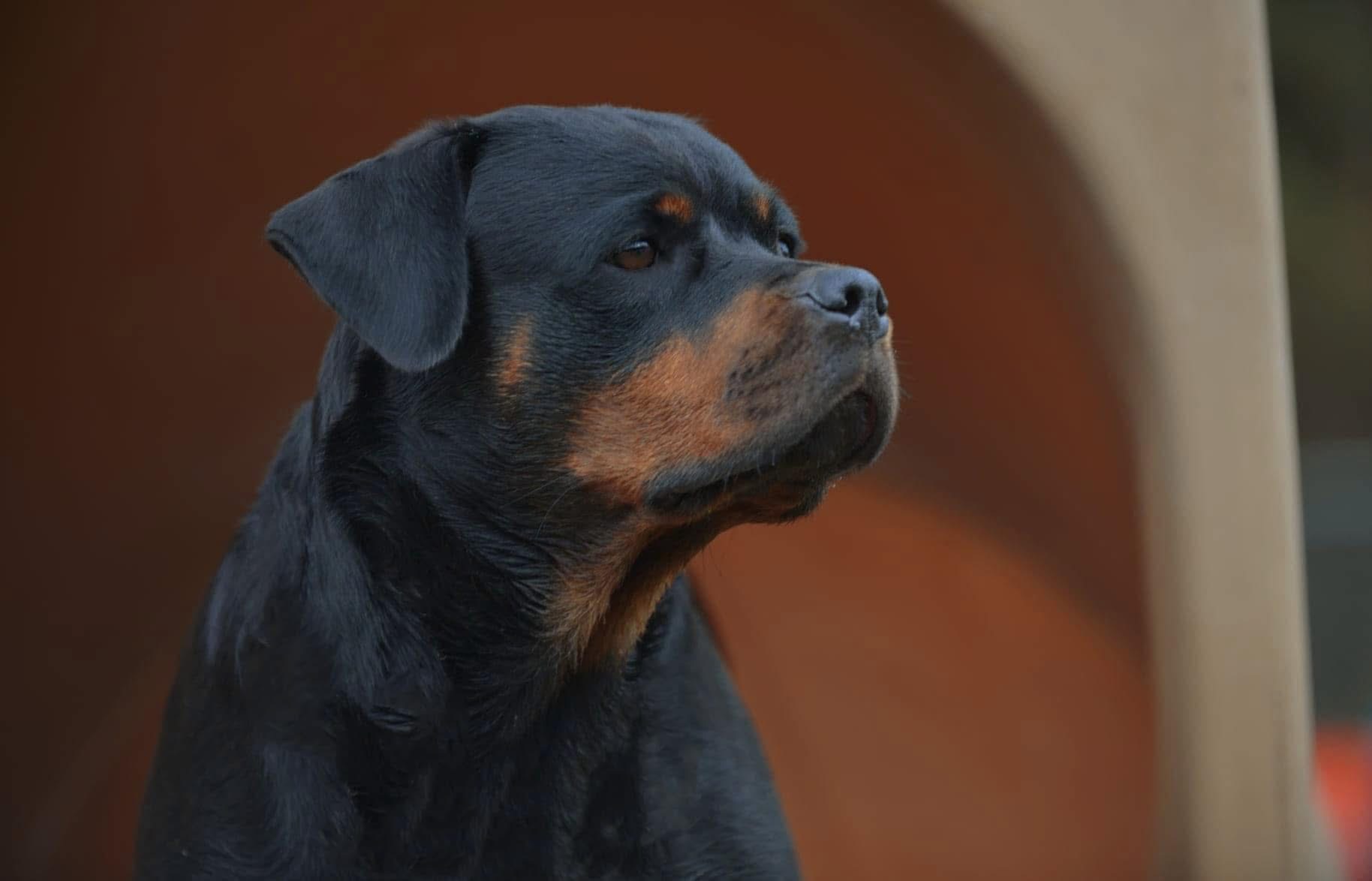
These breeds were designed with a job in mind. Some pull sleds or carts, while others guard livestock, homes, and businesses or serve in the military. Diverse duties may also include water rescue work, alpine rescue, or stints at sea as the fisherman’s helper.
Activity level
The energy level of most Working breeds depends on the task at hand. Guardian dogs may patrol or simply observe until called upon to defend; then, they charge into action. Sled dogs keep their enthusiasm in check until they’re in harness, and then they’re keen to hit the trail. Working breeds might be termed energy efficient.
Size
The Working breeds vary from medium-sized, such as the Standard Schnauzer, up to giant, typified by the Great Dane, Mastiff, or lesser-known Leonberger.
Trainability
Prized for their long association with humans, their loyalty and their willingness to work, these breeds usually take well to training, though some may take longer than others for lessons to sink in.
Characteristics
They don’t wear grey pinstripe suits on the job, but they are serious about their work.
Explore Working Dogs
Terriers
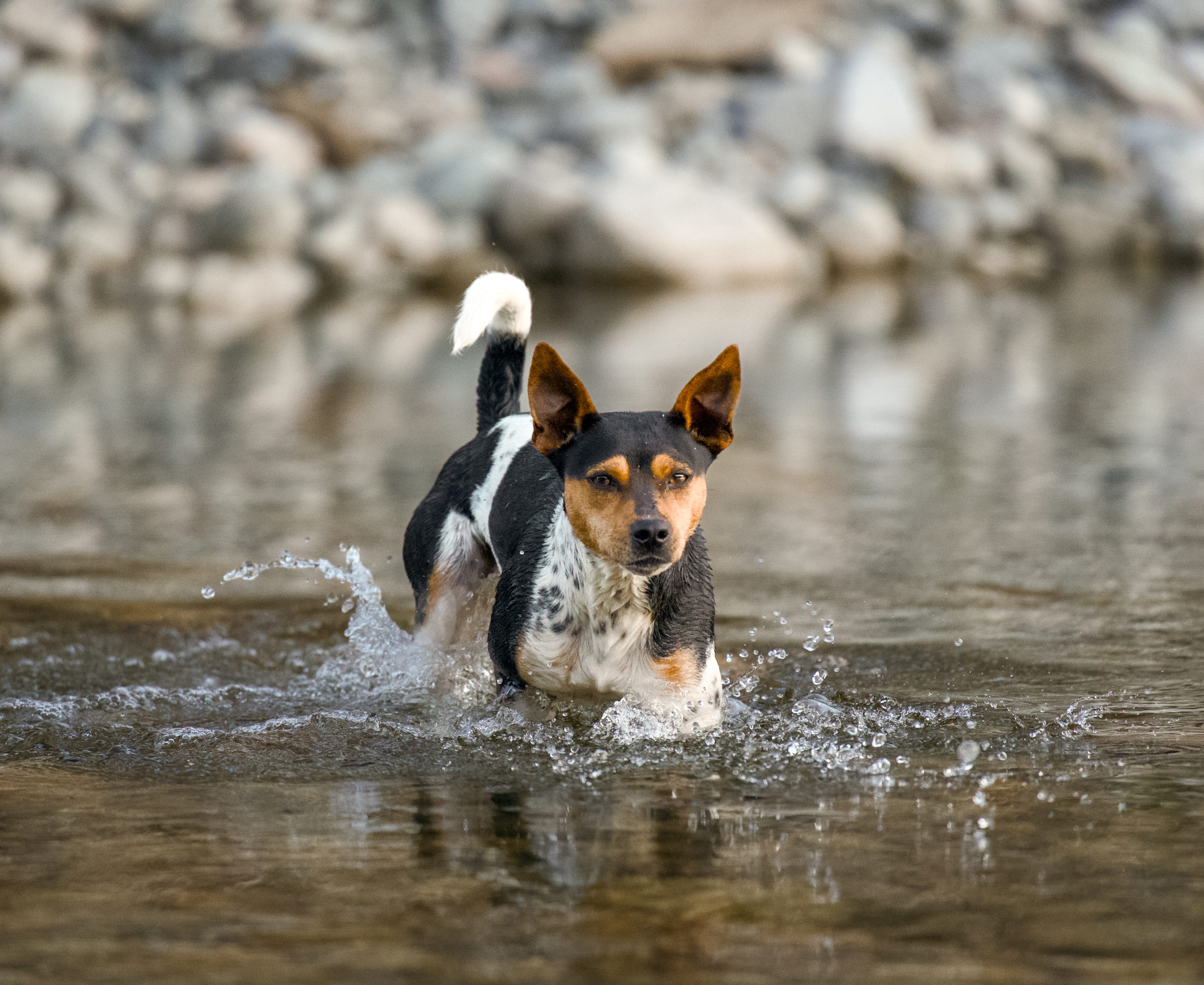
From the Latin word terra‚ meaning “earth”, comes the name “terrier,” an appropriate title for dogs bred to “go to earth” or dig after vermin and small game.
Breeds
Most of the breeds are either smooth or wire-coated, such as the two Fox Terriers, but the Skye sports a long, flowing coat, the Kerry Blue wears a dense wavy jacket, and the Soft-coated Wheaten is clad in a soft and silky coat.
Activity level
Feisty and ready to roar, the average Terrier is game for any sort of action. What else would you expect from breeds expected to do battle with rats, badgers, foxes and weasels?
Size
Terriers range from the medium-sized Airedale down to the diminutive spunky little Norwich and Norfolk that measure just 25 centimetres (10 inches) at the withers.
Trainability
The trick to training Terriers is to keep them active, challenged, and entertained. Some Terriers learn their lessons quickly, while others have their own agenda.
Characteristics
The urge to dig is ingrained in most of the terrier breeds. If you’re fond of plants and flowers, you might want to consider a hanging garden.
Explore Terriers
Toy Dogs
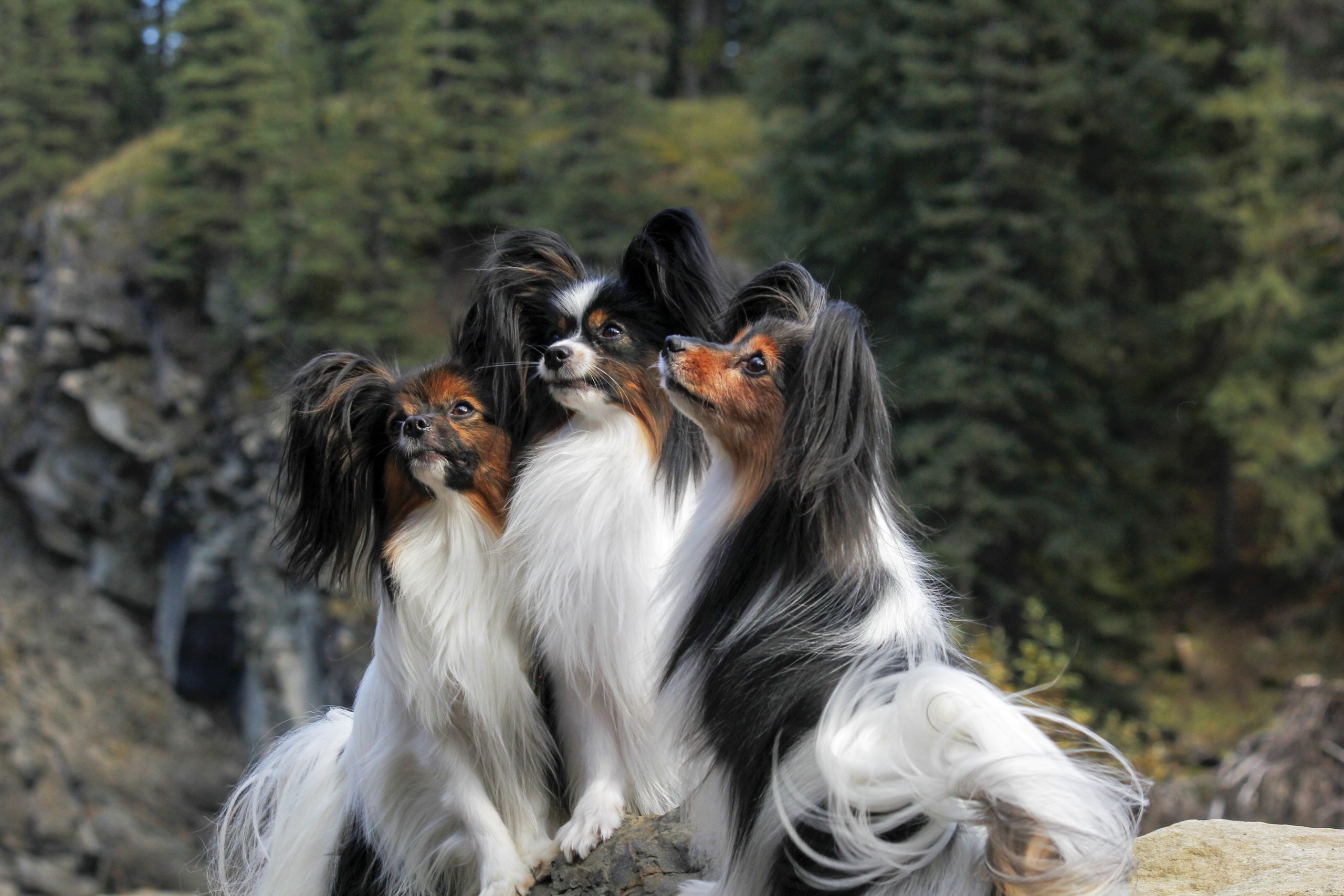
A few Toys were bred with a particular purpose in mind, such as the Brussels Griffon and Toy Manchester, which were initially designed to control the rodent population of stables and other homes. Most of the others were primarily pampered lap dogs, meant mainly to look as appealing as possible and to sop up all the excess adoration available.
Activity level
Perky, playful, and cuddly, most of the Toy breeds are lively, upbeat characters. A few, such as the Pekingese, can be more sedate.
Size
This group is the most uniform group when it comes to size. Think “small”, from the tiniest Chihuahua, barely tipping the scales at less than three kilograms (six pounds), to the solidly built Pug that should not exceed eight kilograms (18 pounds).
Trainability
Primarily house pets, Toys tend to live very closely with their owners, and most are eager to please them. Most Toy breeds readily take to training.
Characteristics
Charming characters concocted to capture hearts; Toys can work their way into your affections as well as your bed.
Explore Toy Dogs
Non-Sporting Dogs
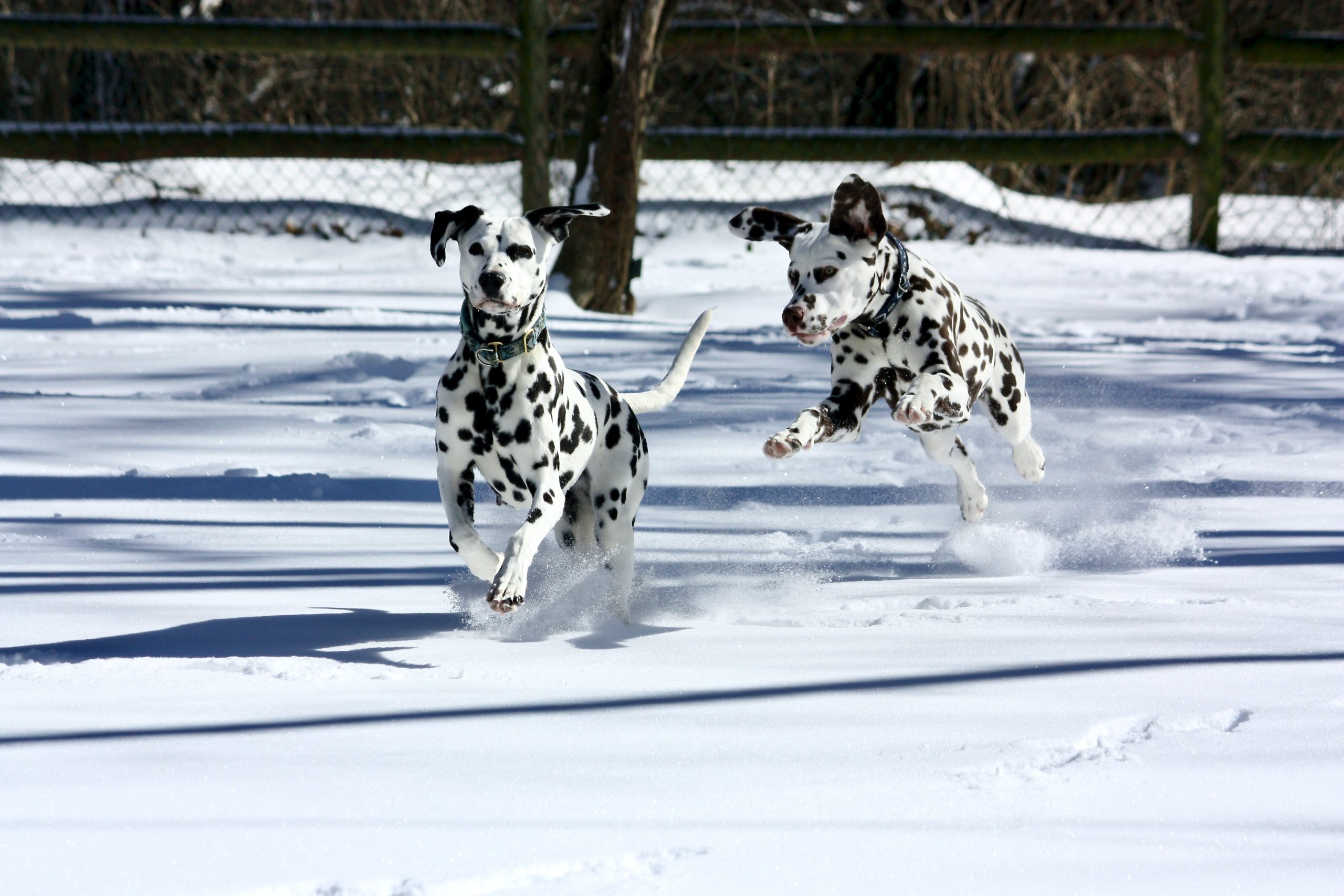
When a breed didn’t quite seem to fit into any other group, it became part of the Non-Sporting crew. The varied group includes three bull breeds, a number of Spitz breeds, three Tibetan breeds, three Poodle varieties, and more.
Activity level
The athletic, tireless Dalmatian and the shuffling Bulldog are as different as Niagara Falls and a drippy faucet. The diverse breeds of Non-Sporting defy generalizations as to their energy levels.
Size
The Dalmatian and Standard Poodle are the tallest dogs in this group. The smaller Non-Sporting breeds encompass the Schipperke, Tibetan Spaniel, Lowchen, Bichon Frise, Shih Tzu, and Boston Terrier.
Trainability
The vast variety of breeds, purposes and personalities make it difficult, if not impossible, to assess the group’s capacity to learn.
Explore Non-Sporting Dogs
Herding Dogs
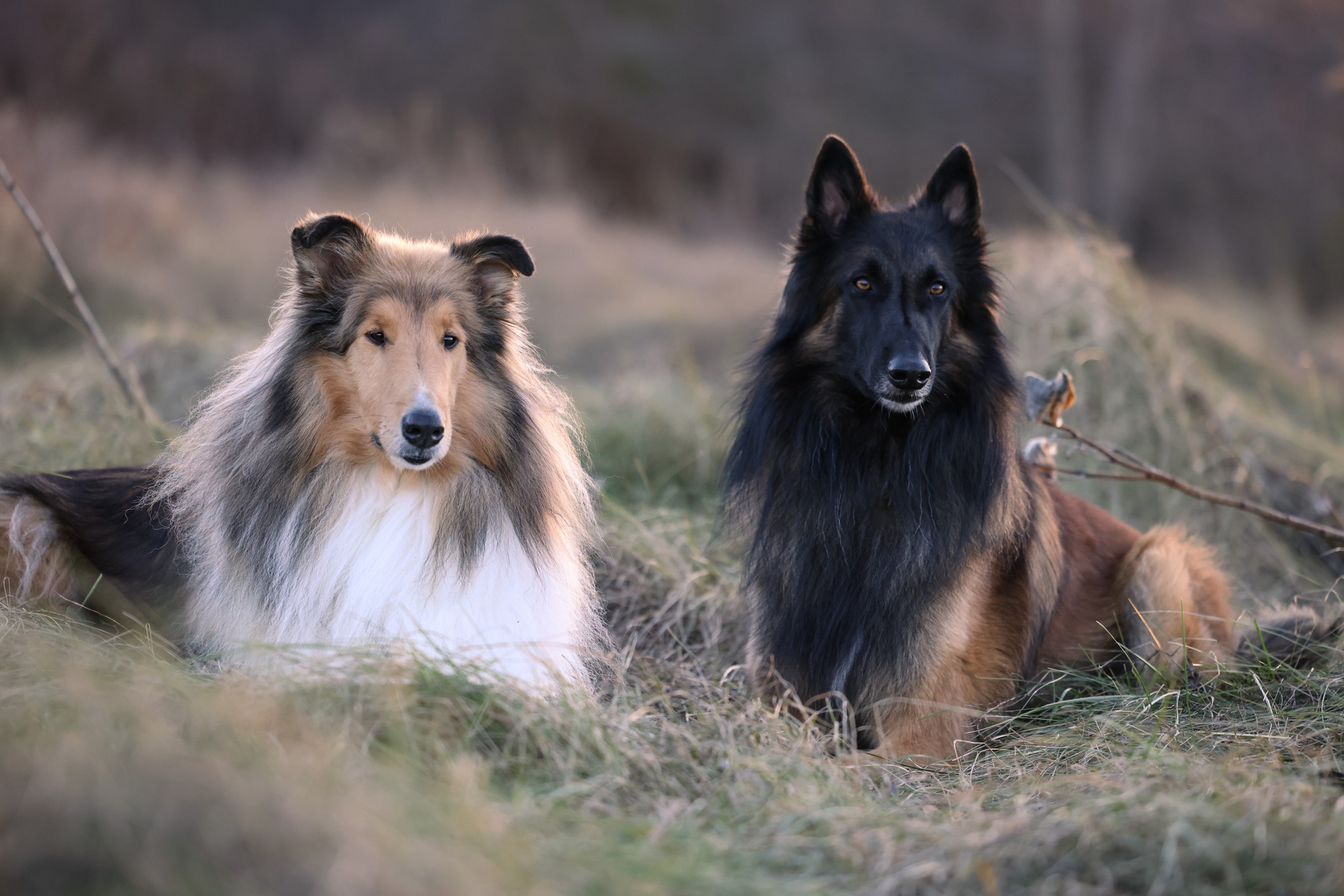
Bred to control a variety of livestock, Herding dogs have been developed to be well suited for their special functions.
Low-slung Corgis and Swedish Vallhunds worked as “heelers,” nipping at the heels of cattle to move them. Drovers, such as the Old English Sheepdog and Bouvier des Flandres, were employed to drive livestock to market. Briards and German Shepherd Dogs patrolled the boundaries of pastures to keep their charges contained, while breeds such as the Puli and Bearded Collie went in search of grazing sheep to round them up and bring them in.
Activity level
Always on the move in pursuit of their duties, Herding dogs are virtually tireless canines that crave action. Agility is their middle name.
Size
Herding breeds go from medium-small to medium-large. Short-legged Corgis and Vallhunds are approximately 30 centimetres high. Larger dogs in the group include the Belgian Shepherd, Collie, Bouvier, Briard, and German Shepherd.
Trainability
Problem-solving, independent thinking, and the ability to instantly obey orders has resulted in many of the Herding breeds being among the most trainable of all canines. The popular Shetland Sheepdog consistently ranks high in obedience competition. The German Shepherd’s versatility has seen it used as a guide for the blind, an assistance dog for people with disabilities, in drug and explosives detection, search and rescue, and police work.
Characteristics
Intelligence, the desire to please, an action-oriented nature and a knack for rounding up anything from cattle to kids are hallmarks of the Herding breeds.
Explore Herding Dogs