Health and Nutrition
Health and Nutrition
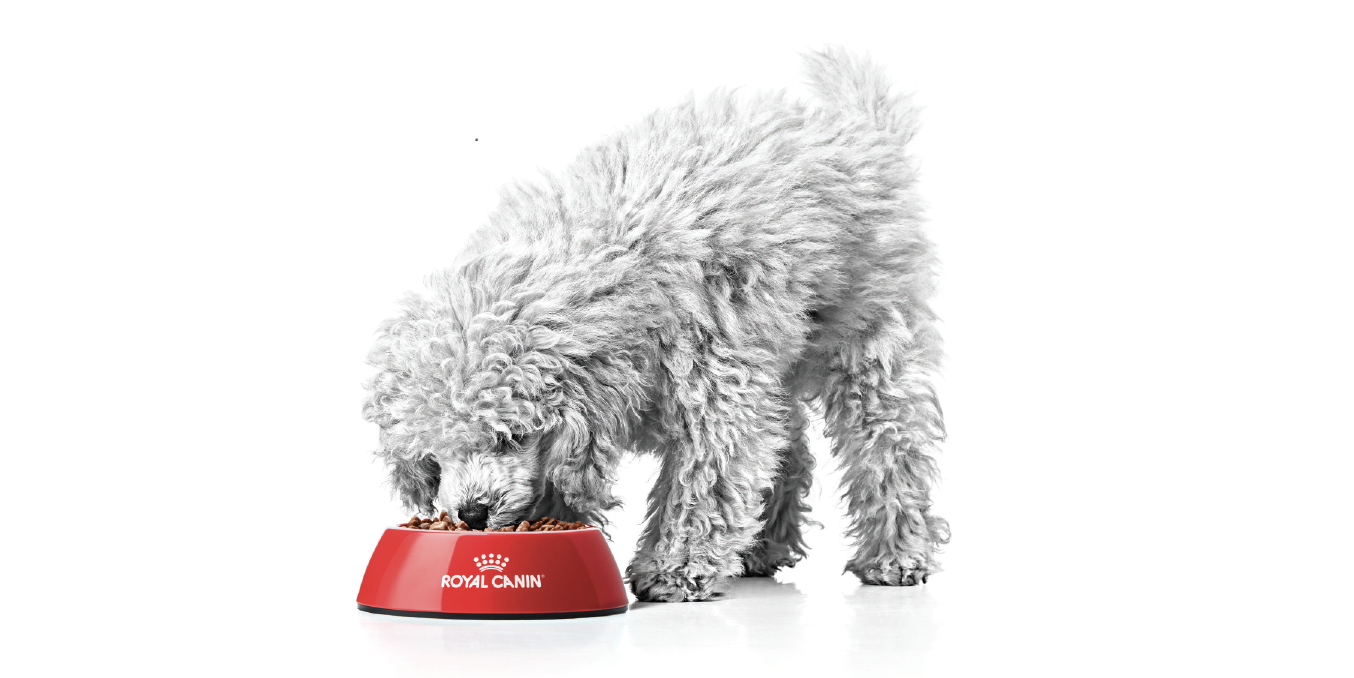
Good nutrition is one of the most important ways to support your dog’s health throughout their life. With many diet options available—such as kibble, raw, canned, fresh, or homemade—choosing the right food can feel overwhelming. A great place to start is with your breeder. Ask what food they feed their dogs, why they chose it, and what your puppy will be eating when you bring them home.
Breed-specific needs can also play a role in nutrition. Some breeds have unique dietary considerations. Your breeder can offer helpful insight, and your veterinary team is another trusted resource.
It’s also important to do your own research using reliable, science-based sources. Trusted brands like Royal Canin provide accurate information on puppy nutrition, growth stages, and general care, with diets tailored to different breeds, sizes, and life stages. Proper nutrition helps maintain a healthy weight and offers added benefits such as joint support, dental health, and overall wellness.
Dental Health
Pets bring so much joy to our lives—but let’s be honest, not everything about pet ownership is glamorous. From shedding fur to daily cleanups, there’s always something. And then there’s the breath. Morning cuddles are much sweeter when your dog’s smile is fresh and healthy. Dental disease is very common in dogs—affecting up to 90%—but the good news is that it’s largely preventable, and early care can make a big difference to your dog’s overall health and comfort.
Start with Veterinary Care
If you’re worried about your dog’s teeth or breath, your veterinarian is the best place to start. An oral exam looks for tartar, gum inflammation, broken or loose teeth, and other concerns. Because dogs don’t always love having their mouths examined, a full dental assessment and cleaning is done safely under general anesthesia. This allows your veterinary team to thoroughly clean, polish, and treat any painful or diseased teeth—helping your dog feel their best.
Brushing: Small Habit, Big Impact
Plaque begins forming on teeth shortly after eating, and in dogs it hardens into tartar much faster than it does in people. Daily brushing is the most effective way to remove plaque and slow dental disease. Brushing works best after your dog’s teeth have been professionally cleaned, since it removes plaque—not hardened tartar. Puppies can be gently introduced to brushing early so it becomes a positive routine, and adult dogs can learn too with patience, praise, and treats.
Diets, Chews, and Dental Products
While brushing is ideal, many pet parents find it challenging to do every day—and that’s okay. Dental diets, treats, and chews can help by mechanically reducing plaque, especially when designed with the right size, texture, and density. Not all chews are tooth-friendly. Very hard items like antlers or nylon bones can fracture teeth. A simple rule: if you can’t dent it with your fingernail, it’s probably too hard. Some specially designed kibble and chews can also include ingredients that help slow plaque and tartar buildup.
A Healthy Mouth for More Happy Moments
By combining regular veterinary care, brushing when possible, and smart dental products, you can help protect your dog’s teeth and overall health. A little prevention goes a long way—keeping tails wagging, smiles bright, and those closeup cuddles enjoyable for everyone.
References
1. Stella et al (2018). PLoSONE 13(1)
2. Dupont, GA (1998). Vet Clin North Am Sm Anim Pract 28(5)
3. Ipsos Reid (2015)
Feeding Your Senior Dog
Maintaining a Healthy Weight
Changes in weight are common in senior dogs. Some may lose weight due to health issues or reduced appetite, while others gain weight as their energy needs decrease. Any unexpected weight change—up or down—is a good reason to check in with your veterinarian. Keeping your dog at a healthy weight helps reduce strain on joints and lowers the risk of other medical concerns. If weight loss or gain is needed, your veterinary team can guide you safely and gradually.
Supporting Muscle Health
It’s normal for dogs to lose some muscle as they age, but noticeable muscle loss can also signal an underlying problem. Feeling along your dog’s spine, hips, shoulders, and skull can help you notice changes, though excess weight can make this harder to assess. Nutrition matters here. Senior diets should include high quality, easily digestible protein with a balanced amino acid profile to help support muscle maintenance and overall health. Your veterinarian can help determine the right diet for your dog’s needs.
Appetite, Senses, and the Aging Brain
Senior dogs may experience changes in their senses—especially smell—which can affect interest in food. If your dog becomes a picky eater, there are gentle ways to boost appeal, such as warming food or offering more aromatic options. Some older dogs also experience cognitive changes. Certain diets include ingredients like antioxidants and specific amino acids that help support brain health and reduce age related stress. Mealtime can also be more engaging with puzzle feeders, snuffle mats, or short training sessions. These activities encourage mental stimulation and light physical movement, both of which support healthy aging.
Helping Your Dog Thrive in Their Golden Years
Every senior dog deserves thoughtful care. Regular veterinary visits, attention to body condition and behaviour, and the right nutrition all work together to support a happy, comfortable life. Talk with your veterinarian or breeder about what to feed—and how to feed—so your dog can enjoy their golden years to the fullest.
References:
1. Perrin (200). Can Vet J 50(1)
2. LaFlamme (2005). Vet Clin Small Anim 35
Healthy Treat Training
Training is an important part of raising a well-mannered puppy. It strengthens your bond, builds confidence, and helps your puppy learn that training is fun. Starting early lays the groundwork for future skills—whether your dog becomes a family companion, sporting partner, or working dog.
Positive reinforcement, especially with treats, can make training more effective and enjoyable. Treats help reward good behaviour and create positive associations with new experiences, like car rides or household noises. That said, it’s easy for treats to add up quickly—especially during those early, exciting weeks of puppyhood.
Treats in Moderation
Most treats are not nutritionally complete, so they shouldn’t replace a puppy’s balanced food. Too many treats can crowd out essential nutrients or lead to rapid weight gain, which may increase the risk of obesity later in life.
As a general guideline, treats (including chews and human food) should make up no more than 10% of your puppy’s daily calories. Calories vary widely between treats, so check packaging for calorie information and suggested amounts. Choosing lower calorie treats or breaking them into smaller pieces lets you reward more often without overdoing it.
Need help? Try our treat calculator to see how it adds up.
Smart Training Alternatives
Use kibble as treats:
A portion of your puppy’s regular food works perfectly for everyday training and helps avoid extra calories. Save higher value treats for more challenging situations. Training before mealtime can also boost motivation.
Praise, play, or toys:
Not all puppies are food motivated. Some respond better to praise, playtime, or toys—and these rewards work well for food motivated pups too when you want to mix things up. Clicker training can also help transition away from relying on treats alone.
Puzzle feeders for busy pups:
To keep your puppy engaged without extra treats, try puzzle feeders filled with a compatible wet food paired with their regular diet. Freezing the food can extend playtime—just be sure it’s safe for puppy teeth and approved by your pet professional.
When in Doubt, Ask
If you’re concerned that treats may be affecting your puppy’s weight or growth, check in with your veterinarian before making changes. With thoughtful choices and a little planning, treats can remain a healthy, fun part of training—helping your puppy learn while growing strong and happy.
Pet Food Ingredients & Nutrients
Choosing the right food for your dog can feel overwhelming. Advice may come from breeders, veterinarians, friends—or the pet food aisle itself! With so many options, it’s natural to wonder what really matters.
While ingredient lists often catch our eye, what’s most important is whether the food provides the right nutrients your dog needs each day. Dogs require a balance of protein, fat, carbohydrates, vitamins, and minerals to stay healthy—and these nutrients can come from many different ingredients.
The Big Picture: Nutrients that Matter Most
-Protein supports muscles, immunity, and overall body function. Dogs need certain essential amino acids that must come from food.
-Fat provides energy, supports cell health, and helps food taste great.
-Carbohydrates and fibre supply energy and support digestion and gut health.
A complete and balanced diet brings all these nutrients together—like finishing a puzzle. Focusing on a single ingredient, even a healthy one, doesn’t tell you whether the full nutritional picture is complete.
How to Feel Confident in Your Choice
Choose brands that are transparent about their nutrition expertise and quality standards. If you have questions, your breeder and veterinarian are excellent resources, and reputable pet food companies should be willing to answer them.
When it comes to feeding your dog, it’s less about finding the “perfect” ingredient—and more about choosing a wellmade food that delivers complete nutrition to help your dog thrive.
Joint Health
As dogs age, it’s common to notice them slowing down. While some change is normal, stiffness, difficulty getting up, altered movement, or reduced activity can also be signs of joint issues such as osteoarthritis—a common condition in senior dogs.
Healthy joints act as shock absorbers, helping dogs move comfortably. Over time, wear and tear, along with factors like breed, size, past injuries, muscle loss, and excess weight, can affect joint health. The good news is there are many ways to help keep senior dogs moving comfortably.
Maintain a Healthy Weight
Weight management is one of the most important ways to support joint health. Extra weight places added stress on joints and can worsen discomfort, while pain may reduce activity—creating a difficult cycle. Even modest weight loss can reduce strain on joints and improve quality of life. If your dog is overweight, your veterinary team can help create a safe plan.
At home, proper portions and mindful treat use make a big difference. While it’s tempting to spoil senior dogs with food, many enjoy attention just as much—through gentle play, praise, and cuddles.
Keep Moving—Gently
Regular, lowimpact exercise helps maintain muscle strength, which supports and protects joints. If your dog seems reluctant to move, speak with your veterinarian about pain management options. Activities like short, frequent walks, swimming, or physiotherapy can help keep muscles strong without overloading the joints.
Support Joints Through Nutrition
Many senior dog diets include ingredients to support joint health. Common options include compounds that help maintain cartilage, ingredients that reduce inflammation, and nutrients that support joint lubrication. Your veterinarian can help determine whether diet alone is enough or if additional support is needed.
Helping Your Dog Stay Active
Whether your dog is already showing signs of stiffness or is still happily keeping pace, supporting joint health can help them stay comfortable and active longer. With thoughtful weight management, gentle exercise, and the right nutrition, senior dogs can continue to enjoy life—and keep moving well into their golden years.
References:
1. Banfield Pet Hospital State of Pet Health (2019)
2. Marshall et al (2010). Vet Res. Commun 34
3. German et al (20120). The Veterinary Journal 192(3)
Obesity Prevention
A little extra fluff may seem harmless, but excess weight is a common—and serious—health issue for dogs. Carrying extra weight can increase the risk of health problems, affect mobility, and even shorten a dog’s lifespan. The good news? Obesity is preventable—and manageable with the right support.
Preventing Weight Gain Starts at Home:
Measure meals carefully.
Overfeeding is one of the biggest contributors to weight gain. Follow feeding guidelines for the specific food you’re using, measure portions accurately, and remember that different foods have different calorie levels—even within the same brand. Your pet professional can help determine the right daily amount.
Treats count, too.
Treats are a wonderful way to reward and bond with your dog, but they should make up no more than 10% of daily calories. Calories add up quickly, especially if multiple treats or chews are offered. Check packaging for calorie information, choose lower calorie options, and adjust amounts if more than one type of treat is given.
And remember—treats don’t always have to be food. Dogs also love praise, playtime, and attention.
A Healthy Weight, A Happier Life
Maintaining a healthy weight helps dogs stay active, comfortable, and energetic at every life stage. With mindful portions, smart treat choices, and guidance from your veterinary team, you can help your dog stay fit and enjoy more happy, healthy years by your side.
References
1. Association for Pet Obesity Prevention (2018)
2. Kealy et al (2002). JAVMA 220(9)
How To Read A Pet Food Label
Choosing the right dog food can feel overwhelming. With so many options and unfamiliar terms on packaging, it’s easy to get lost. The good news is that pet food labels follow set guidelines, and knowing what to look for can help you make confident choices.
What to Look for on the Label:
Product name and quantity
This section lists the type of food, how much is in the package, and the manufacturer’s contact information. In Canada, labels appear in both English and French.
Guaranteed analysis
This shows key nutrients, including minimum protein and fat, and maximum fibre and moisture. These values help ensure the food meets basic nutritional standards. If your dog has a medical condition, your veterinarian can help interpret what levels are appropriate.
Ingredient list
Ingredients are listed by weight, with heavier ingredients appearing first. Keep in mind that fresh ingredients contain more water and may appear higher on the list than concentrated ingredient meals. Also, foods named for a specific ingredient may contain only small amounts—especially if labelled as a “flavour.” If your dog has sensitivities or allergies, always read the full ingredient list and speak with your veterinary team.
Nutritional adequacy statement
This small but important section confirms whether the food is complete and balanced and identifies the life stage it’s intended for (such as growth, adult maintenance, or all life stages). Feeding a food that matches your dog’s life stage is essential for meeting their nutritional needs. Treats and toppers may be labeled for supplemental feeding only and should make up no more than 10% of daily calories.
Feeding guidelines
These recommendations help determine how much to feed based on your dog’s size and age. They’re a starting point—monitor your dog’s body condition and adjust as needed. If weight changes occur, your breeder or veterinarian can help finetune portions.
Choosing with Confidence
No single food is best for every dog. Age, size, breed, activity level, and health all play a role. Understanding the label helps narrow your choices, but your veterinarian or breeder remains one of your best resources for selecting the right food to help your dog thrive.
References:
1. Pet Food Association of Canada (PFAC)
2. Association of American Feed Control Officials (AAFCO)
What is a Growth Diet?
Bringing home a new puppy is exciting—and giving them the right nutrition is one of the best ways to set them up for a healthy future. Puppies grow quickly and have very different nutritional needs than adult dogs, which is why feeding a diet made specifically for growth is so important.
Why Puppies Need a Growth Diet
Puppy foods are carefully formulated to support healthy development. They provide the right balance of nutrients and energy to fuel growing bones, muscles, and brains during this important life stage.
Key Nutrients That Matter:
Protein
Protein supports the development of muscles, bones, skin, and coat. Puppy diets include highquality protein with the essential amino acids needed for proper growth.
Digestibility and Fibre
Easily digestible ingredients and balanced fibre help support healthy digestion—often resulting in firmer stools, which is especially helpful during housetraining.
DHA
DHA is an important fatty acid that supports brain and vision development. It’s also been shown to help with learning and trainability, making those early training sessions more rewarding.
Minerals
Puppies need specific minerals in precise balances to support healthy bone development. Growth diets are designed to provide this balance, which is why adding supplements is generally not recommended unless advised by a veterinarian.
Energy for Growth
During early growth, puppies need significantly more energy than adult dogs of the same size. As growth slows, energy needs decrease—but their need for puppyspecific nutrients remains high until they reach maturity.
When to Switch to Adult Food
Puppies grow at different rates depending on their breed and size. Most should stay on a growth diet until they’ve finished growing. Your breeder or veterinarian can help you decide when it’s time to make the transition to adult food.
A Strong Start for a Healthy Life
Feeding a complete and balanced growth diet helps your puppy develop properly and thrive. With the right nutrition—and lots of love—you’re giving your puppy the best possible start on their journey to adulthood.
References:
1. Association of American Feed Control Officials (AAFCO)
2. Zicker et al (2012). JAVMA. 241 (5)