Conformation
Conformation
Evaluate dogs based on how well they conform to breed standards
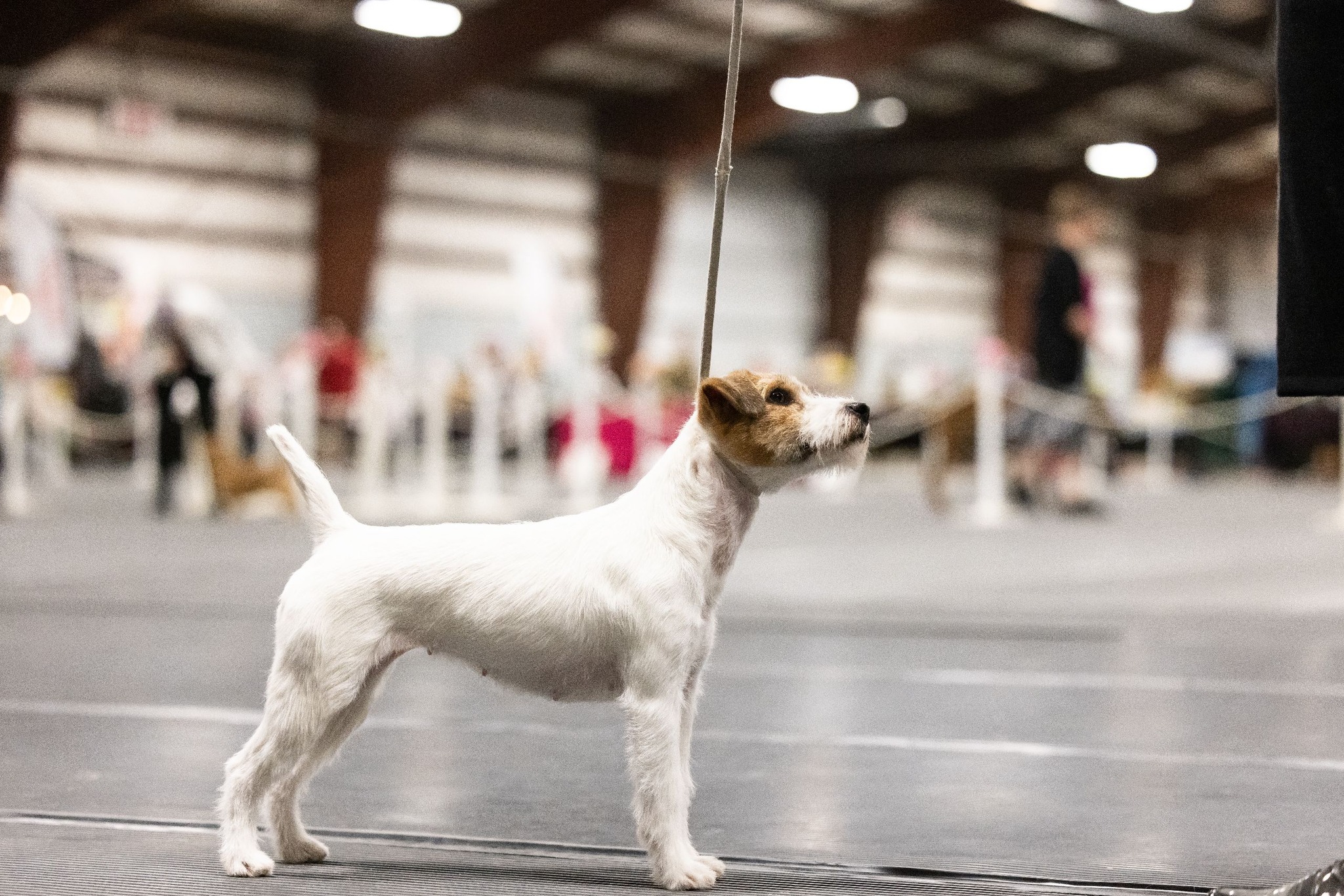
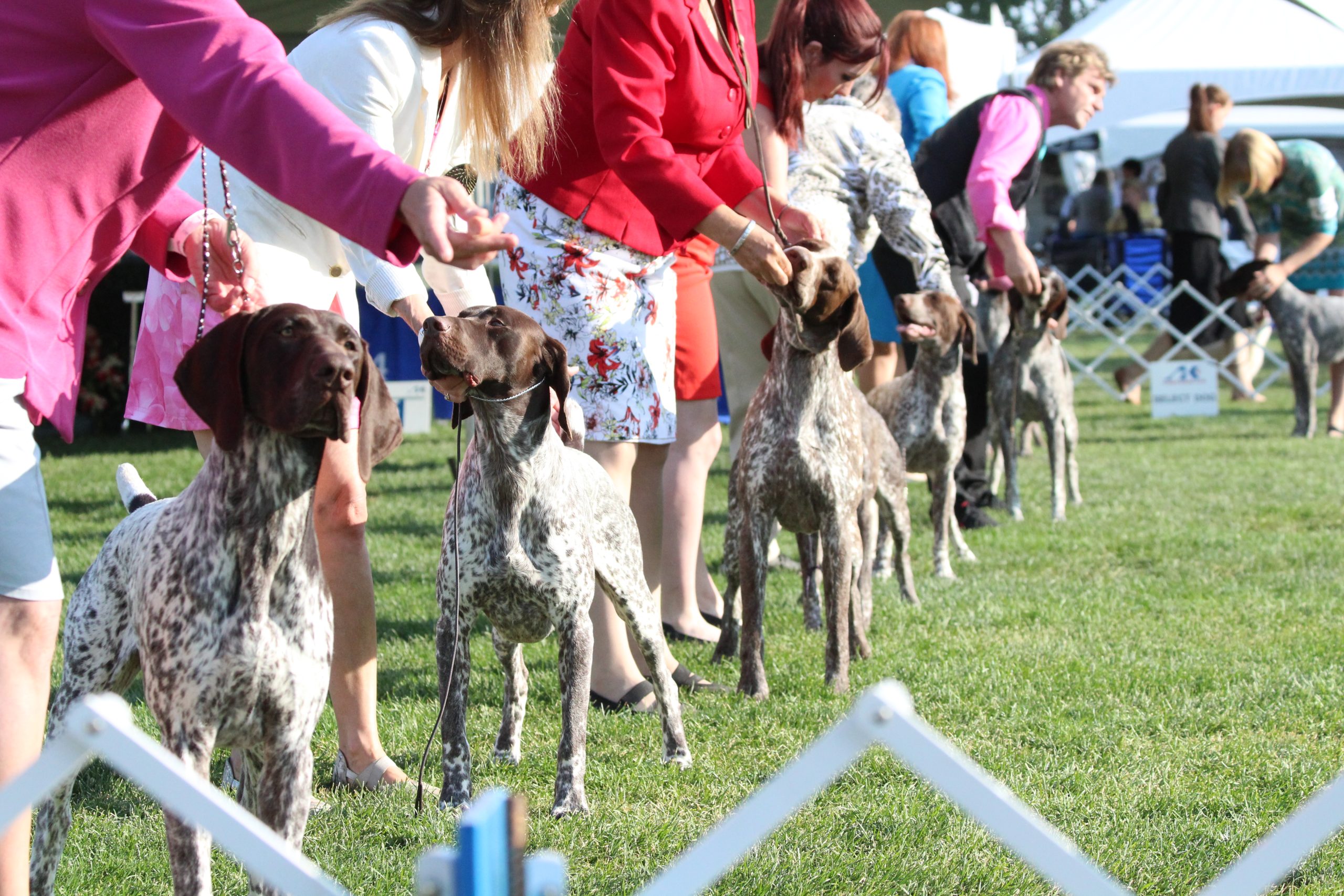
“Form follows function,” as the saying goes and in Conformation, dogs are evaluated based on how closely they conform to their breed’s written standard. These standards describe the ideal appearance, structure, and temperament of a dog bred to perform a specific job whether it’s herding livestock, retrieving game, guarding property, or providing companionship. Purebred dogs were developed with purpose in mind, and their physical traits reflect the work they were originally bred to do.
Judges make their selections based on their interpretation of these standards, assessing dogs both standing and in motion. Dogs first compete within their breed, with winners advancing to their respective group such as Sporting, Herding, or Working based on the breed’s original function. The seven group winners then compete for the coveted Best in Show title. Best Puppy awards are also offered at the breed, group, and show levels.
Conformation is more than a competition; it’s a celebration of purpose-bred dogs and the partnership between dog and handler. Whether you’re new or experienced, it’s a rewarding way to showcase your dog’s “look at me” aura, build a deeper bond, and enjoy the thrill of a round of applause too!
For competition purposes all the breeds are placed within 1 of the 7 Groups as follows:
Sporting (Group 1), Hounds (Group 2), Working (Group 3), Terriers (Group 4), Toys (Group 5), Non-Sporting (Group 6), Herding (Group 7). Breeds are within a group based on the “job” they were bred for.
Why Conformation Matters
Conformation may look like a beauty pageant for dogs, but its purpose is far deeper. Breeders and Owners compete in conformation to ensure the quality, health, and temperament of future generations. Only the best dogs from a litter are selected to compete and are chosen to become parents of the next generation.
Conformation is the heart and soul of the sport of purebred dogs. Without dedicated breeders, there would be no dogs for families to love or for exhibitors to show. Obtaining a CKC Championship and titles beyond that is part of the process that helps to ensure that beautiful, sound, and sane dogs are available for companion homes.
If you’re a new puppy owner, you are encouraged to participate! Getting involved in conformation is a fun and rewarding way to bond with your dog, learn about your breed, and become part of a passionate community.
Getting Involved as a Puppy Owner
Even if your dog is spayed or neutered, you can still participate in conformation! The CKC offers Altered Championships, allowing altered dogs to compete and earn titles.
The CKC is also launching the Canadian National Owner Handled Series (CNOHS), a new initiative designed to celebrate and support owner-handlers. This program creates more opportunities for everyday dog owners to showcase their dogs and enjoy the sport.
Eligibility & Participation Guide
– Purebred dogs registered with CKC (CKC Registration Certificate does not include PEN or CCN)
– Must conform to the breed standard as defined by CKC
– Baby Puppies (4-6 months old) may compete in designated classes
Handler Eligibility
– Handlers do not need to be CKC members to exhibit dogs, but membership is required for title recognition
– Junior handlers may participate in Junior Handling competitions and Conformation
– Handlers must demonstrate good sportsmanship and follow CKC rules
Skill Levels
– Novice Exhibitors: Welcome and are best supported through mentorship
– Experienced Handlers: Compete for advanced titles and Top Dog Status
Start Here: Finding Support in the Sport
Breeders are your best resource.
– They offer guidance, mentorship, and a deep understanding of your breed
Join a National Breed Club.
– National breed clubs connect you with experienced mentors, breed-specific resources, and a community of enthusiasts.
Join a local club
– Local clubs have experienced exhibitors who can offer support with training
Finding a Mentor
– Your breeder – Often your first and most knowledgeable guide
– CKC Clubs – Many offer handling classes and mentorship programs
– Professional handlers – Some offer coaching and training services
– Breed clubs – Provide breed-specific guidance and support
Dog Characteristics Needed
– Structure: Must meet breed standard for conformation
– Temperament: Calm, confident, and responsive in the ring
– Presentation: Clean, well-groomed, and trained to stack and gait
Getting Started in Conformation
– Read the CKC Conformation Show Rules & Regulations
– Understand breed standards and judging criteria (breed standards can be found on the website)
– Watch shows to observe ring procedures and etiquette
2. Find a Local CKC Club
– Join a CKC-recognized club offering conformation classes
– Attend handling seminars and practice matches
3. Prepare Your Dog
– Ensure your dog is in good health and condition
– Train for stacking, gaiting, and examination
– Socialize your dog to be comfortable in busy environments
– Learn and understand breed specific grooming
4. Start Training
– Practice ring procedures: entering, stacking, gaiting
– Use positive reinforcement and short, focused sessions
5. Register Your Dog with CKC
– Ensure your dog has a valid CKC registration or ERN/MCN/TCN
6. Enter Fun Matches or Sanction Matches
– Participate in Sanction Matches to gain experience
– Matches simulate show conditions and provide feedback
7. Trial Readiness Checklist
– Dog can stack and gait confidently
– Comfortable with judge examination
– Handler understands ring procedures and etiquette
– Comfortable with breed specific grooming
Find and Enter an Event
– Visit CanuckDogs.com to find CKC-sanctioned shows
– Search by province, date, or club
2. Read the Premium List Carefully
– Includes show dates, location, judges, classes, fees, venue site map, additional costs like reserve grooming
space and instructions
3. Know the CKC Conformation Rules
– Familiarize yourself with judging procedures, breed standards, and ring conduct
4. Submit Your Entry
– Use the official CKC entry form
– Submit fees and required documentation
5. Understand Judging Schedules
– Know your dog’s class and estimated ring time. Each dog entered is assigned a 2-minute window for
judging, which helps you work out an exact time. Remember to always account for absentees (a good
guesstimate is 10%)
– Arrive early to find the Event Secretary Table, pick up your armband number and check if there have been
any changes to the schedule
– Make sure you have enough time to prepare your dog
Conformation Titles and Requirements
– Earn 10 points under at least three different judges, including one 2-point win
Grand Champion (GCh):
– Earn 20 points after becoming a Champion, with specific wins under different judges
– The dog must be at least one year of age to be awarded a GCh title
Grand Champion Bronze (GChB):
– Earn an additional 50 points after achieving GCh status
Grand Champion Silver (GChS):
– Earn an additional 100 points after achieving GChB
Grand Champion Gold (GChG):
– Earn an additional 200 points after achieving GChS
Grand Champion Excellent (GChEx):
– Requires GChS, Best in Show or National Specialty win, 3 Group Firsts or Specialty Wins, and a CKC Performance Title
Final Thoughts: Make It Fun!
Celebrate small wins; Clean down & back, confident stack, or a good judge interaction. Stay positive – every exhibitor starts somewhere. Connect with the community – conformation folks are supportive and passionate.
Order of Judging – From the Classes to Best in Show
Types of CKC Conformation Shows: A Guide for Exhibitors
What to Expect on Show Day: A Guide for All Breeds
How to count points towards conformation title