Obedience
Obedience
Showcase your dog’s training and precision
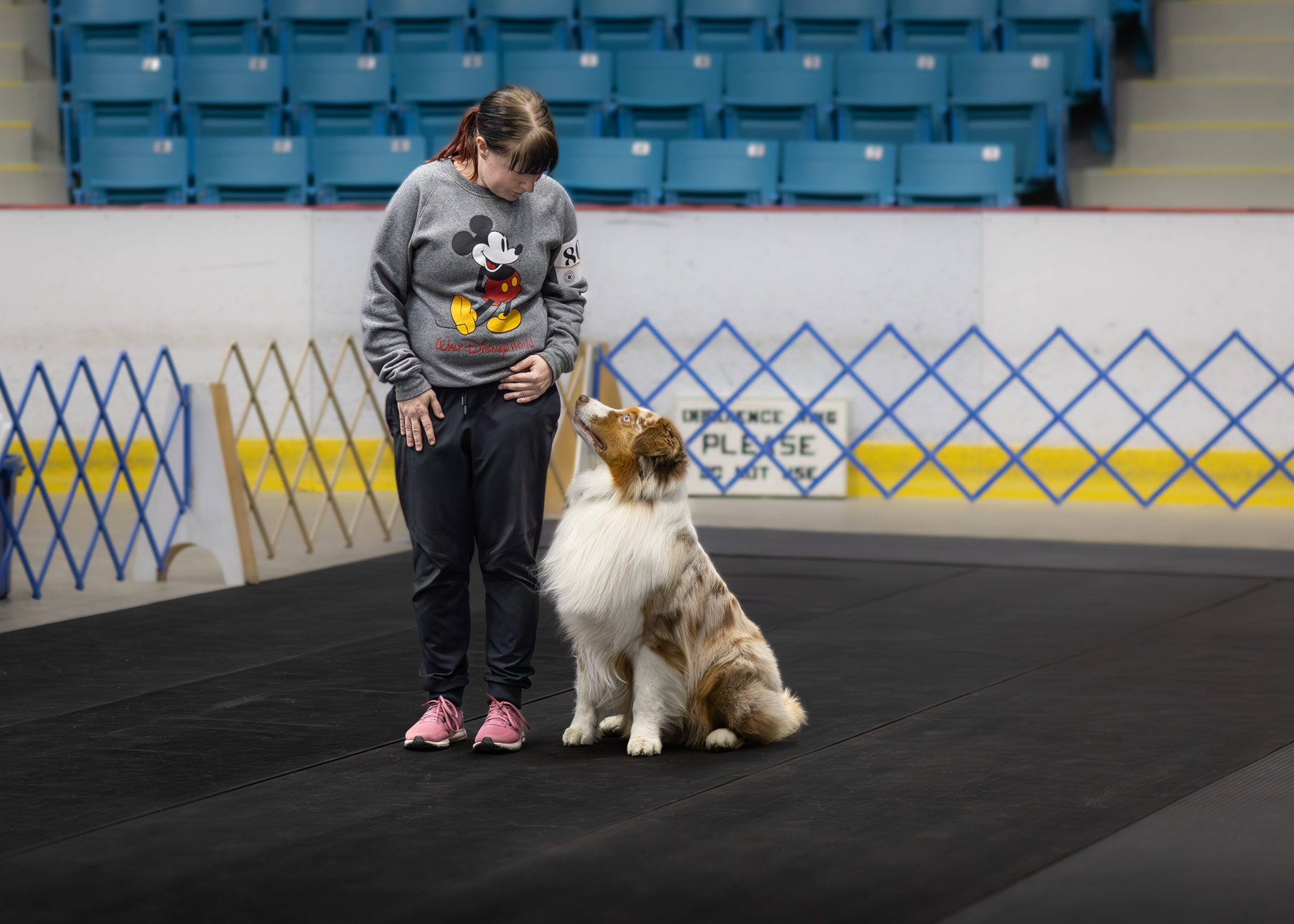
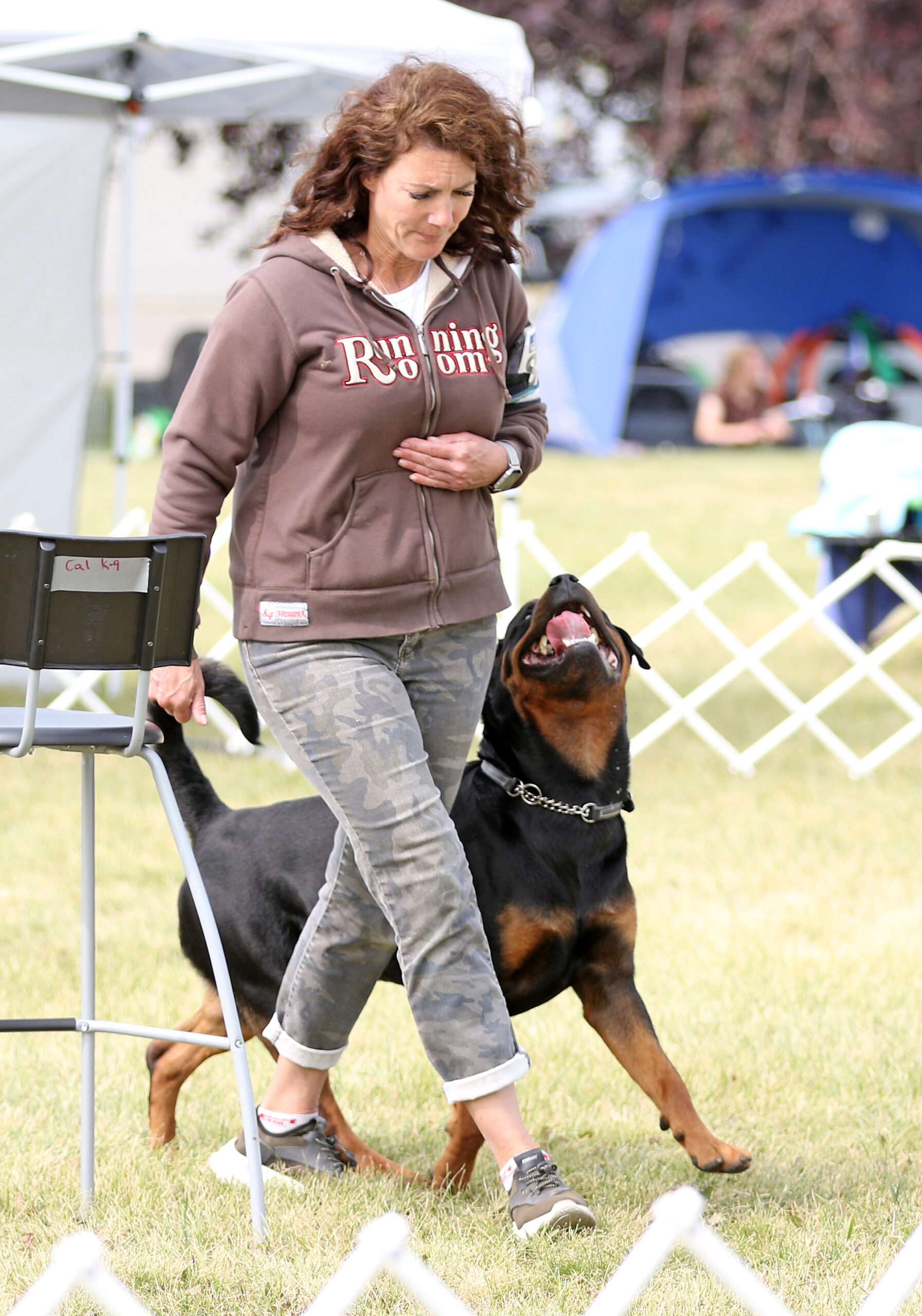
Obedience trials are designed to test a dog’s reliability, responsiveness, and overall suitability as a well-trained companion. Dogs are judged individually on their ability to follow commands with precision and enthusiasm in a structured environment.
Basic exercises include heeling (on and off leash), Sit, Stand, Stay, and Recall. At more advanced levels, dogs are asked to perform tasks such as retrieving, jumping, responding to hand signals, and identifying articles carrying their handler’s scent.
Obedience is more than a demonstration of training; it’s a way to build a deeper connection with your dog through clear communication and mutual respect. Each exercise reinforces trust and teamwork, helping you and your dog work together with focus and confidence. Whether you’re just starting out or refining advanced skills, Obedience offers a rewarding path to bond with your dog through consistency, clarity, and shared achievement.
Eligibility & Participation Guide
– All purebred and mixed breed dogs registered with CKC or with an ERN/PEN/MCN/CCN
– Dogs must be at least 6 months old and in good health
Handler Eligibility
– Handlers must demonstrate responsible dog ownership
– CKC membership is not required to participate but is needed for title recognition
Skill Levels
– Pre-Novice: Heel, sit, stay, recall, and sit for exam
– Novice: Heel (on and off leash), sit, stay, recall, and stand for exam
– Open: Off-leash work and retrieving
– Utility: Advanced exercises including scent discrimination and directed retrieves
Finding a Mentor
– CKC clubs offering obedience training
– Experienced handlers and trainers
– Field representatives and CKC Obedience Council
Dog Characteristics Needed
– Responsive to commands and eager to work
– Good focus and temperament
– Comfortable in busy environments
Getting Started in Obedience
– Review the CKC Obedience Rules & Regulations
– Understand the exercises and scoring system
2. Find a Local CKC Club
– Search for clubs offering obedience classes and mentorship
3. Prepare Your Dog
– Health check and basic obedience training
– Socialize your dog to distractions and other dogs
4. Start Training
– Practice trial exercises with positive reinforcement
– Build consistency and confidence
5. Register Your Dog with CKC
– Ensure proper registration or obtain ERN/PEN/MCN/CCN
6. Enter Fun Matches or Sanction Matches
– Participate in practice trials and CKC-sanctioned events
7. Trial Readiness Checklist
– Dog performs exercises reliably
– Dog is comfortable in trial settings
– Handler understands trial procedures
Find and Enter an Event
– Visit CanuckDogs.com to find Obedience Trials
2. Read the Premium List Carefully
– Check event location, judges, fees, and requirements
3. Know the CKC Obedience Rules
– Review the rulebook for exercises and scoring
4. Submit Your Entry
– Complete the entry form and submit fees
5. Understand Judging Schedules
– Know your scheduled ring time and arrive early
Obedience Titles and Progression
– Qualify three times in Pre-Novice obedience under at least two different judges
– Pre-Novice obedience is an elective class and not a requirement for a dog to enter the Novice class
Companion Dog (CD)
– Earn three qualifying scores in Novice obedience under at least two different judges
– Exercises include heel on leash, stand for examination, recall, and group stays
Companion Dog Intermediate (CDI)
– Earn three qualifying scores in Intermediate obedience under at least two different judges
– Exercises include off-leash heeling, recall holding dumbbell, recall over high jump holding dumbbell, recall over broad jump, and drop from heel
– Companion Dog Intermediate is an elective class and not a requirement for a dog to enter the Open class
Companion Dog Excellent (CDX)
– Earn three qualifying scores in Open obedience under at least two different judges
– Exercises include off-leash heeling, retrieve on flat, retrieve over high jump, and drop on recall
Obedience Trial Champion (OTCH)
– Earn three qualifying scores in Utility obedience under at least two different judges
– Exercises include scent discrimination, directed retrieve, signal exercises, and directed jumping
Obedience Trial Champion Excellent (OTCHX)
– Earn qualifying scores in both Open B and Utility B in the same trial, on 5 occasions
Master Obedience Trial Champion (MOTCH)
– Earn 40 points from qualifying scores in Open B and Utility B classes. Points are awarded based on scores.
Grand Master Obedience Trial Champion (GMOTCH)
– Earn a minimum score of 195 in both the Open B and Utility B class at the same time at 10 separate trials. Points must be earned under a minimum of eight different judges, with a maximum of two pairs per judge. A High in Trial is required both from the Open B class and the Utility B class.
Final Thoughts: Make It Fun!
Celebrate your dog’s progress and teamwork! Obedience trials build a strong bond and communication.