
How to Use Toys to Train Your Dog
How to Use Toys to Train Your Dog
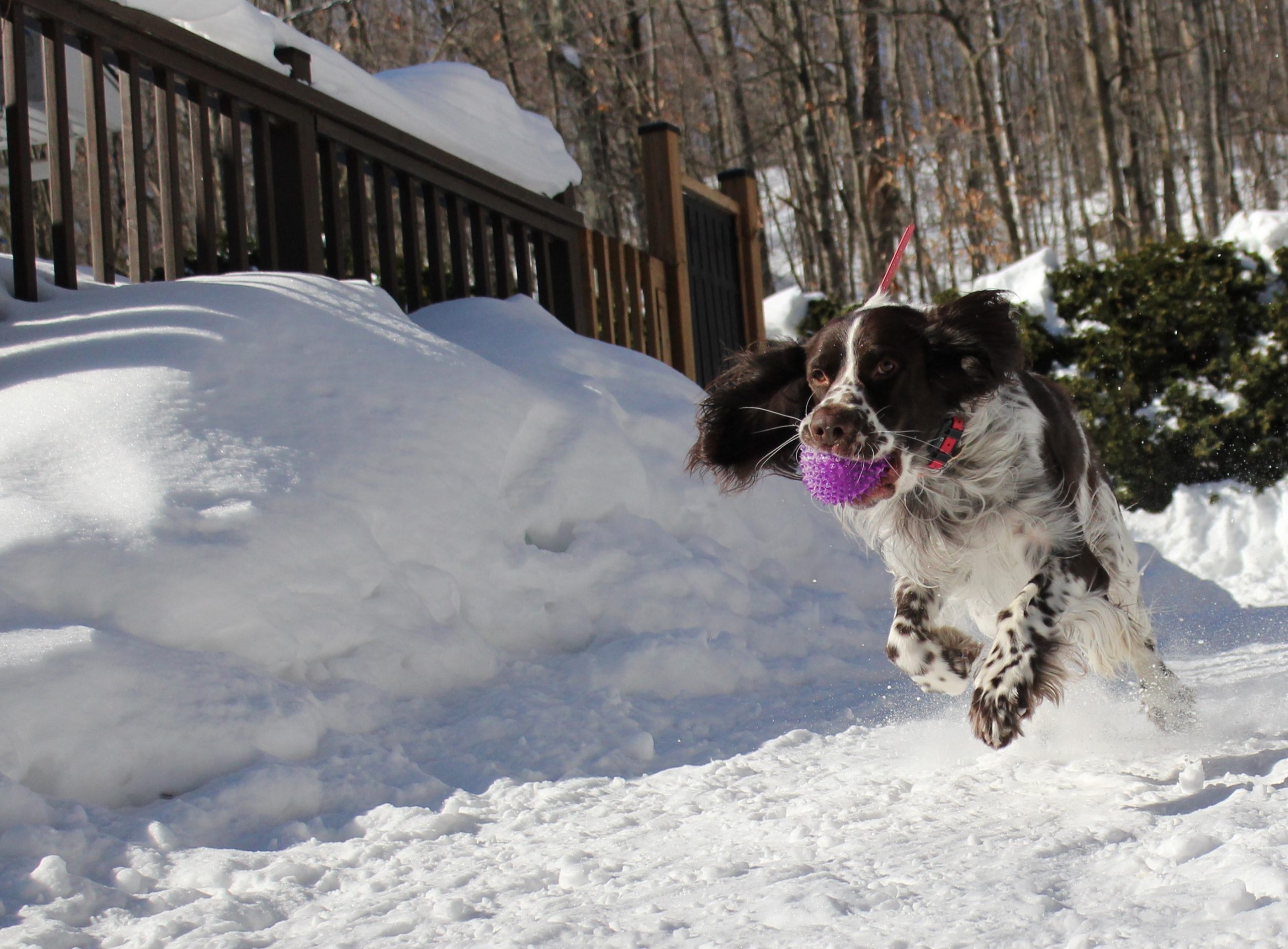
How To Get Started
Pushing a toy into your dog’s face will often make them back away. It’s best to play hard to get. Keep the toy in a drawer for a week or so. For a few days in a row, take out the toy and play with it by yourself. Toss it in the air and seem interested in the toy. Then, put it back in the drawer. About a week later, start to let your dog occasionally get the toy as you toss it around. Most of the time, it is yours to keep. Then start letting him have it half the time, then increase that. Before you know it, he will be anxious to play.
Once you have them motivated by the game, you can incorporate it into your training session. Use it as a motivator and/or as a reward. For some dogs, simply seeing their toy sitting on the sidelines, waiting for the chance for a game, is enough motivation to run an entire sequence in for example, an agility class. Using rewards in your training is the key to success and brings out the joy in your dog. Ask them to do a behavior before he gets to play. Ask them to sit nicely before going outside, then have a game once you’re out there. A good game can be a handy tool in your bag of training tricks.
Power play
The once-maligned game of tug is a great motivator and training reward.
Nothing is as delightful to dog owners as seeing their pet engaged in play. While dogs acting playful might seem merely pleasing, the actual power of play is highly underrated.
Back in the 1980s, tug-of-war was touted as a game that could promote and even create aggression in dogs. Many people believed this and, in fact, some still do.
Surely, if tugging on a toy caused aggression, we would start to see many more aggressive dogs, but the opposite seemed to be happening. The dogs started to focus more and seemed more willing to work for their handlers.
Teach “Give”
It was never the game of tug that was a problem; it was only a problem if the dog would not drop the toy. To avoid this issue, it’s important when teaching a dog to play with toys that you also teach the dog to give up the toy on command. Say “Give” and offer your dog a treat. As the puppy drops the toy to get the treat, remove the toy. The trick to this is that you must then offer the toy back to your dog with the words “Take it.” By doing a few repetitions of “Give” and “Take it,” you will enforce the idea to your dog that it is okay to give up a toy. Not only do you get a treat, but you also often get your toy back. The occasional dog has trouble relinquishing their toy or becomes overly enthusiastic when playing tug. In this case, tug might not be the right game to play.
Why bother going to all the trouble of teaching a non-playing pooch the ropes? Tug games are often used to help shy or under-confident dogs gain some self-worth. By letting this type of dog win the game, you will help build the confidence they may need to explore other opportunities in life. For the rest of the dog population, it’s a fun way to spend time with their people.
Interactive Toys and Mental Stimulation
Interactive play is a vital part of a dog’s mental and physical well-being. It encourages healthy exercise, reinforces training, and strengthens the bond between dogs and their owners.
Toys like balls on a rope, frisbees, or tug rings provide excellent outlets for both physical exercise and mental stimulation. If your dog doesn’t immediately take to fetch games, be patient. Many dogs require time and encouragement to learn how to retrieve and return a toy. Once they understand the game, it often becomes a favourite activity.
Use playtime as a training opportunity by incorporating simple commands like:
-“Sit”
-“Down”
-“Spin”
-“High five”
Reward your dog by throwing the toy after a command is successfully performed. This approach makes training fun and motivates your dog to stay engaged.
Tug toys come in many forms, but long braided versions made from fun fur are particularly engaging and easy to make at home. To create one:
- Cut three 4-inch-wide strips of fun fur.
- Tie a knot at one end and braid the strips tightly.
- Secure with another knot at the opposite end.
- For added durability, tie an extra knot in the middle of the braid.
These homemade toys are soft on your dog’s mouth while still durable enough for energetic tug sessions.
Storage and Game Etiquette
Toys should be treated as special rewards, not always left out. Store them out of reach, such as on top of the refrigerator, when not in use. This teaches your dog that:
- You control when the game starts and ends.
- The toy is a privilege, not a possession.
- Ideally, the session ends with you holding the toy, reinforcing leadership. That said, it’s okay to occasionally let your dog “win” to maintain enthusiasm and make playtime enjoyable.