


Height
Male: 23 - 25 in
Female: 22 - 25 in
Weight
Male: 75 - 85 lbs
Female: 75 - 85 lbs
Life expectancy
10 - 13 years
Colours
Agouti, Black & white, Dark grey & white, +10 more
Key Characteristics
General information
Origin
This breed had its beginnings with an Inuit tribe known as the Mahlemuts. A powerful freighting dog, the Mal was the choice of many polar explorers.
Temperament
Affectionate and friendly with people, but definitely strong-willed, the Malamute is patient with children but should be supervised when playing with young children due to his size and strength. The Malamute is prone to same-sex-aggression and will often become dog selective upon maturity.
Activity Level
The Malamute is an outdoor dog that was born to pull (preferably sleds). He requires lots of exercise and is truly in his element when the temperatures dip low, making him an ideal companion for the winter-sports enthusiast.
Coat
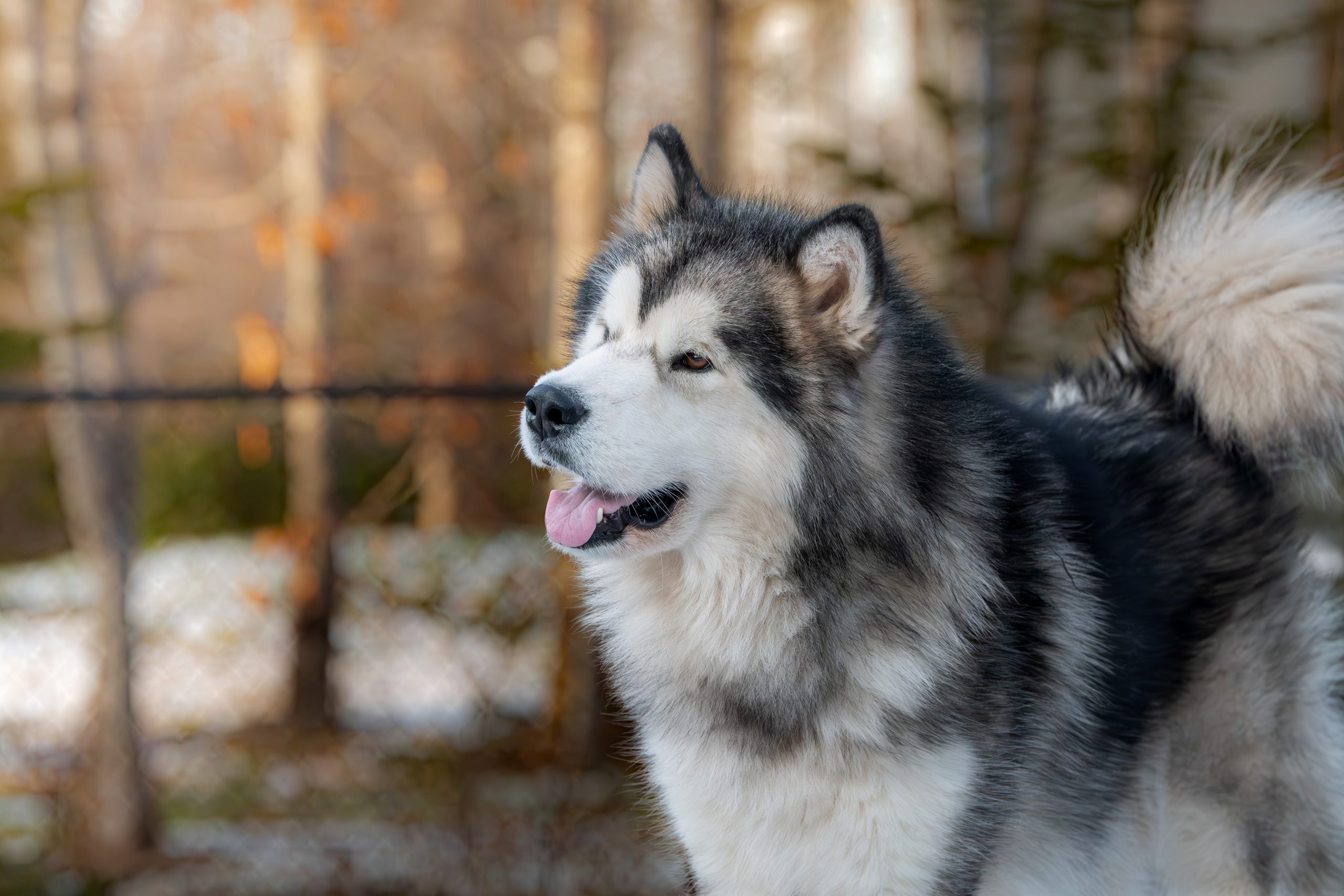
The undercoat is dense, from one to two inches in depth, oily and woolly. The coarse guard coat varies in length, as does the undercoat.
Colour
Grooming
The Malamute requires frequent brushing. During the spring the Malamute sheds his winter coat and requires extensive brushing for several weeks. A second seasonal shed can also occur so owners should be prepared for lots of hair and frequent grooming.
Caring for Alaskan Malamute
Training, Socialization & Breed Specific Traits
The Alaskan Malamute is an energy-efficient breed that requires less food compared to most other large breeds. Maintaining a healthy weight is crucial for their structural health and quality of life. The Malamute is a breed with high prey-drive and should be supervised around small animals and livestock.
Health
While Alaskan Malamutes are a generally healthy breed, they can be susceptible to certain health issues found in large breeds; such as Hip and/or Elbow dysplasia (HD / ED) as well as Polyneuropathy (PN), Primary Ciliary Dyskinesia (PCD) and Chondrodysplasia (CHD). Other health concerns may also include eye diseases (such as Juvenile Cataracts and Cone Degeneration) and Thyroiditis. These health concerns are often minimized and improved upon by responsible breeders through diligent health screening; however, maintaining a healthy weight, appropriate diet and an active and enriching lifestyle is equally important for ensuring your Malamute’s quality of life.
Clubs
Alaskan Malamute Club Of Canada
Learn moreBreed standards outline the ideal characteristics, temperament, and appearance of a breed, and ensure that a dog can carry out its original purpose. They act as a blueprint for the ideal specimen and include size, weight, colour, coat, ear set, tail set, topline, feet, movement, temperament, structure, etc.
Alaskan Malamute Breed Standard