
Height
Male: 22 - 25 in
Female: 20 - 23 in
Life expectancy
10 - 15 years
Colours
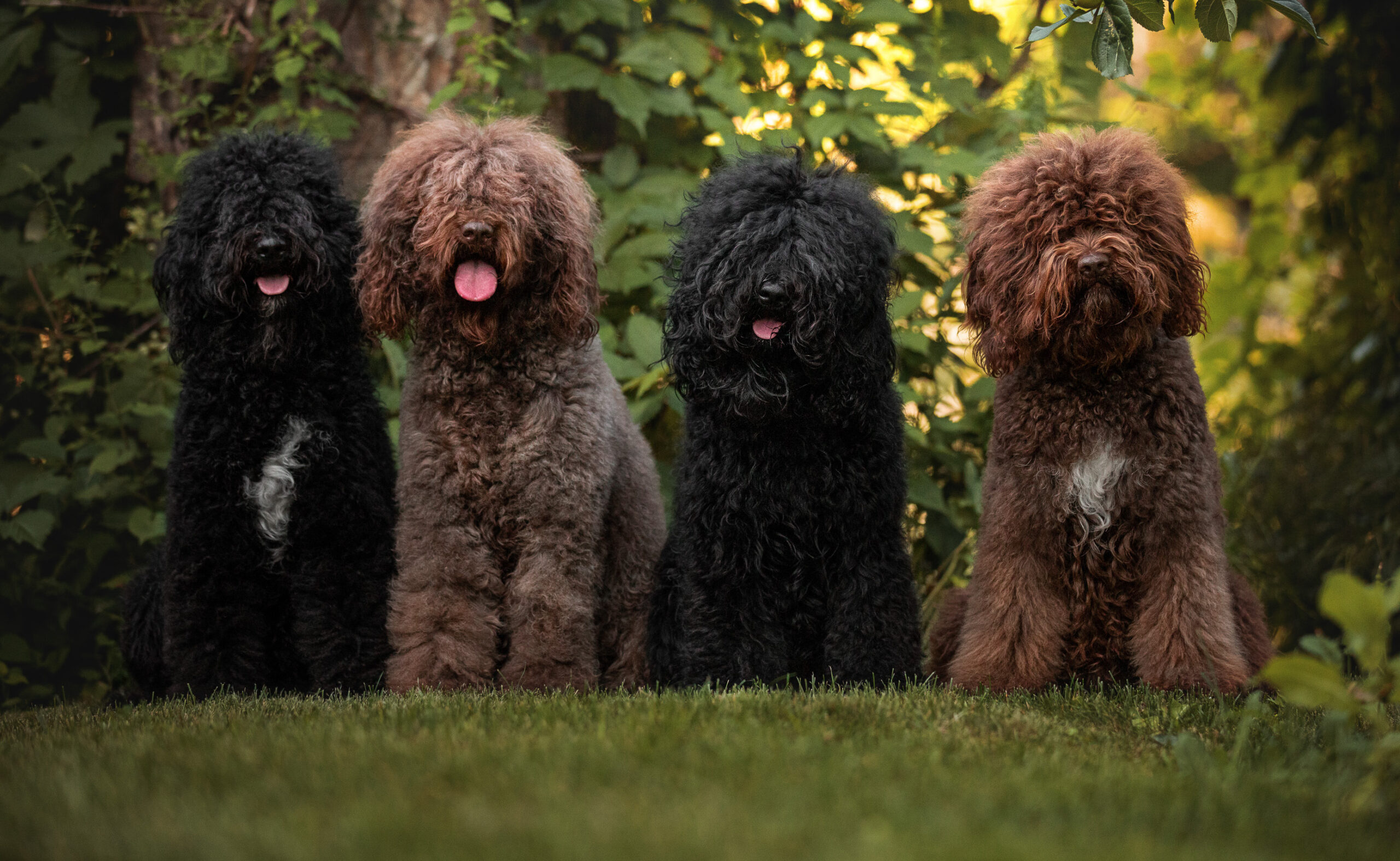
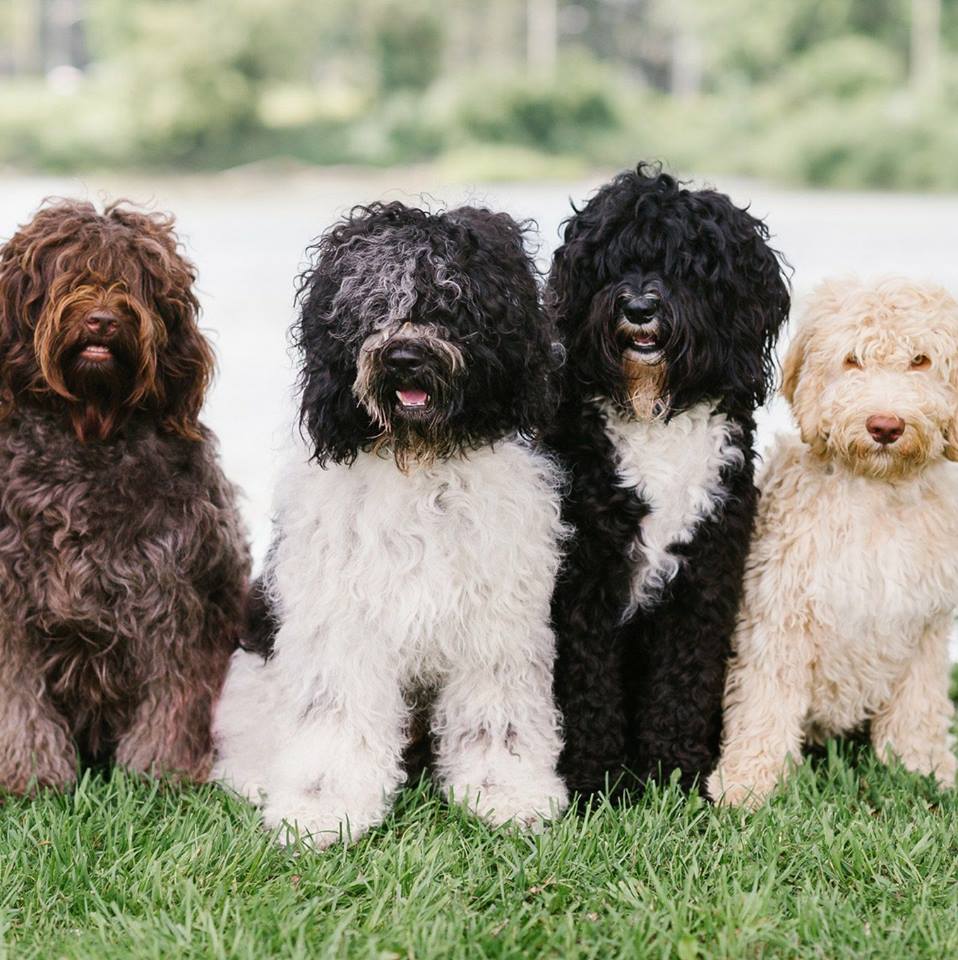
Black, Black, white markings, Chestnut brown, +8 more
Key Characteristics
General information
Origin
The Barbet is a very ancient breed of French origin, appearing in works as early as the 16th century. A rustic breed and an agile athlete, its propensity for water, plus the ability to point and retrieve, led to their development as a waterfowl gun dog over the centuries. The Barbet has been used to locate, flush and retrieve birds. A versatile breed, the Barbet temperament is suitable for a variety of pursuits beyond hunting. Barbets also excel as service and therapy dogs, in performance events and as family companions
Temperament
Responsive and intelligent, the Barbet is friendly and non-aggressive. This shaggy, versatile sporting dog is reputed to be a wonderful and devoted family pet that dotes on children and gets along well with other animals.
Activity Level
Vigorous and tough, the Barbet enjoys regular challenging exercise such as swimming, retrieving, hunting, hiking and performance activities such as agility.
Coat
The thick coat covers the body and is long, woolly, and curly. The hair on the head reaches down to the nose and obscures the eyes. A thick beard and moustache completes the appealing picture.
Colour
Grooming
The Barbet’s coat is a high-maintenance one. It mats easily, especially if the dog swims often. Regular brushing and combing are a must.
Caring for Barbet
Training, Socialization & Breed Specific Traits
Because they are so close to their families, Barbets can become anxious if they are not trained at staying alone, early in their life.
Health
Some barbets are carriers of the recessive gene for the PRA (Progressive retinal atrophy), as well as for the Color dilution alopecia (CDA). All breeding dogs have to be tested for these two genes to ensure no offspring is born with the potential diseases. There has been some concerns also for the von Willebrand’s disease (vWD) type 1.
Clubs
Club Barbet Canada
Learn moreBreed standards outline the ideal characteristics, temperament, and appearance of a breed, and ensure that a dog can carry out its original purpose. They act as a blueprint for the ideal specimen and include size, weight, colour, coat, ear set, tail set, topline, feet, movement, temperament, structure, etc.
Barbet Breed Standard