
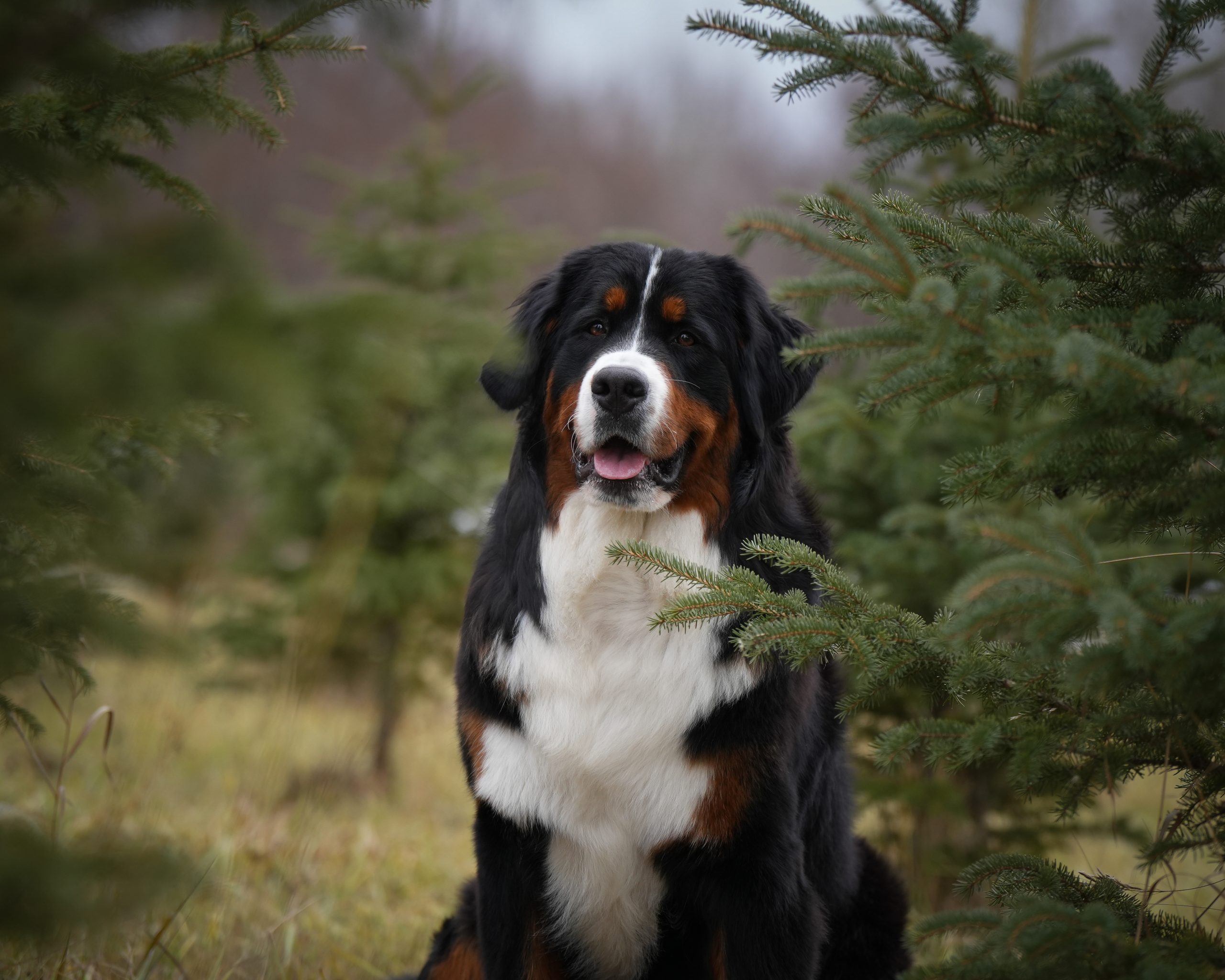
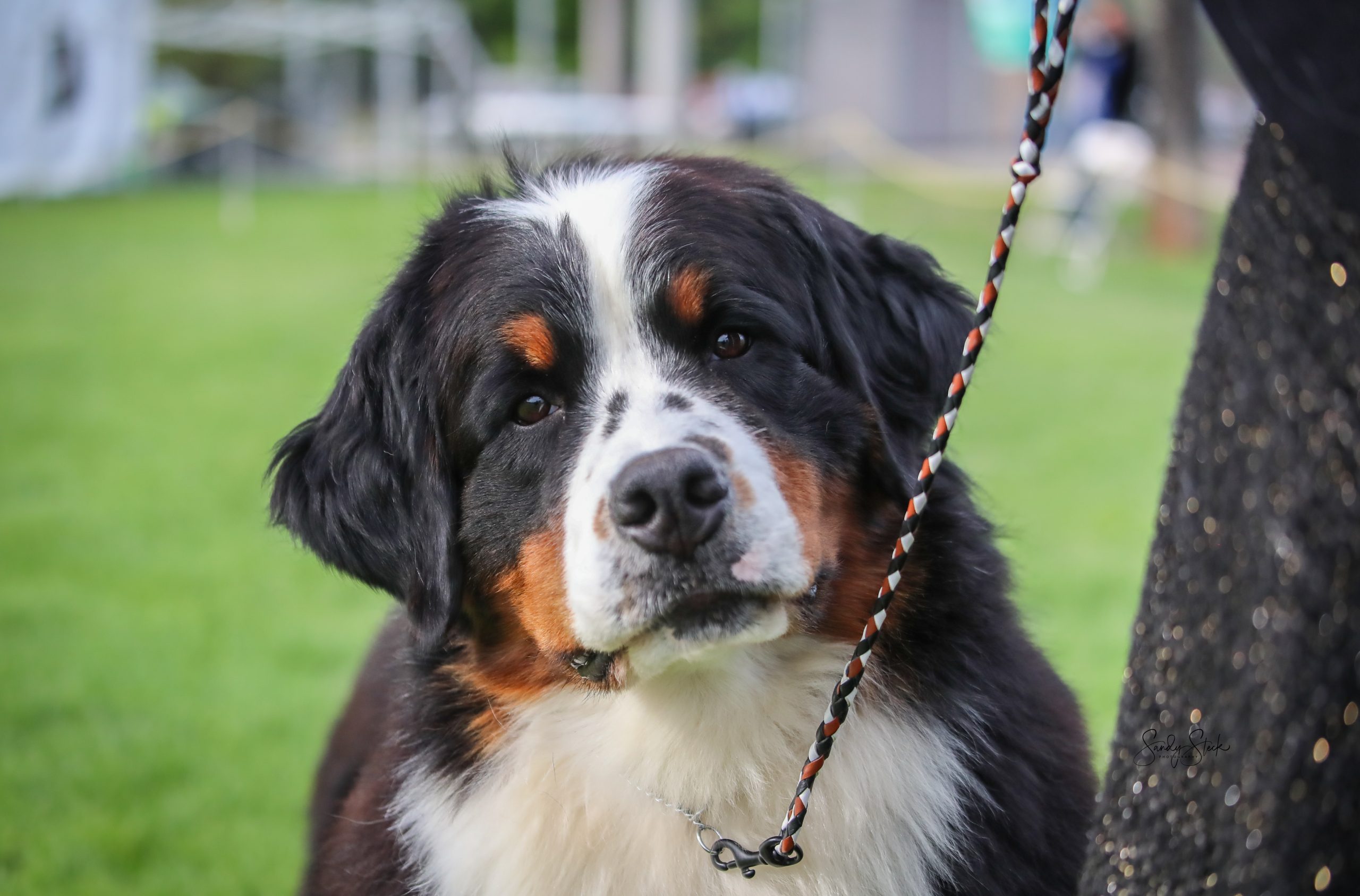
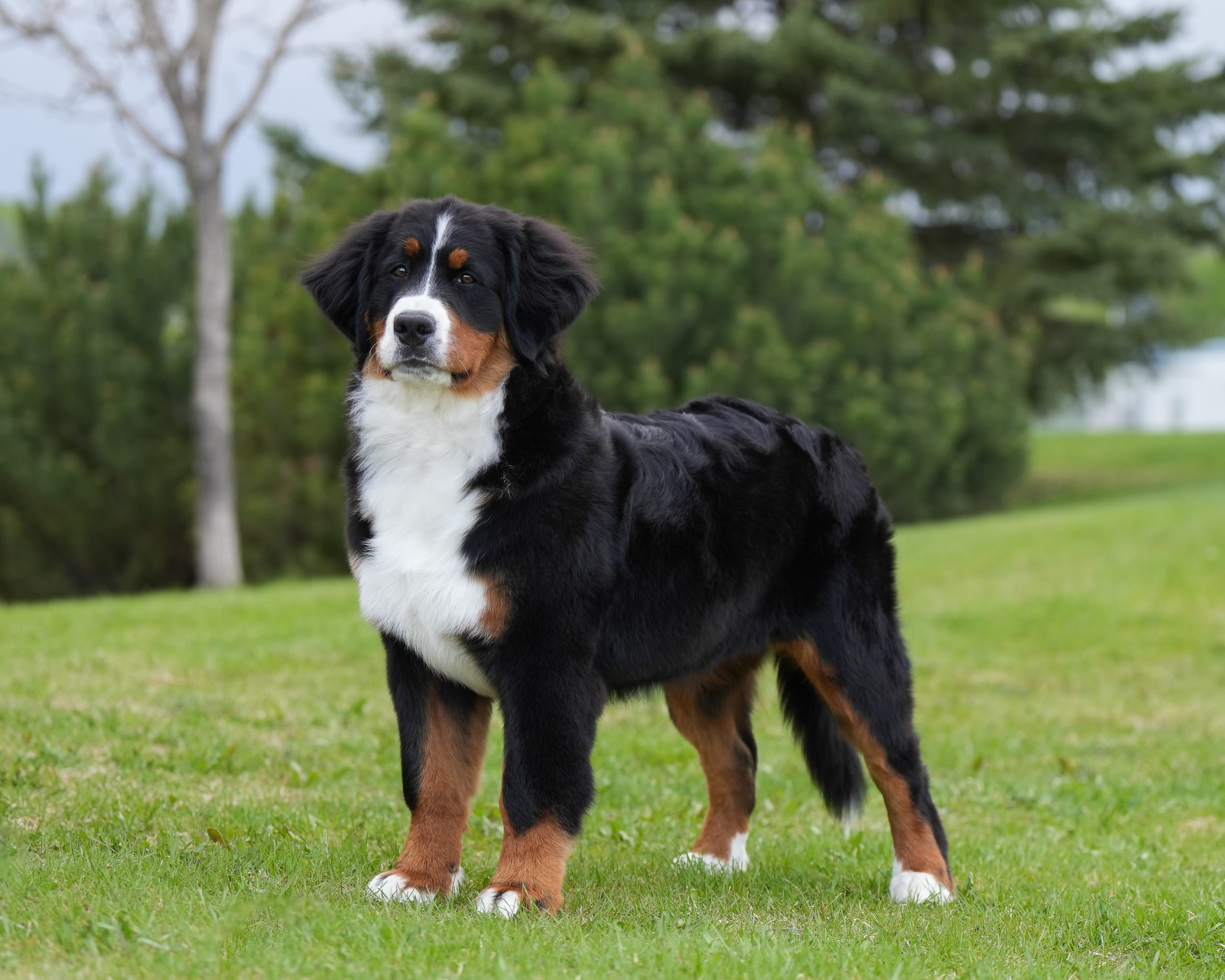
Height
Male: 25 - 28 in
Female: 23 - 26 in
Colours
Black brown & white, Black rust & white, +1 more
Key Characteristics
General information
Origin
The ancestors of the Bernese Mountain Dog were Mastiffs that were brought into Switzerland by the Roman invaders more than 2,000 years ago. They interbred with local farm dogs creating somewhat smaller but equally trustworthy canines. The Bernese is one of four varieties of Swiss mountain dogs and, though they all share the same distinctive markings, it is the only one with a long coat. The breed was used to drive livestock and to pull carts to transport produce to market, primarily in the Swiss canton of Berne. When mechanization made their talents obsolete, it was feared these dogs might simply vanish, so a breeding colony was established in 1892. The breed slowly grew in strength and popularity. It was introduced to North America in the 1930s.
Temperament
One of the strongest assets of this breed is its wonderful temperament. The Bernese is consistent and dependable and generally appears to be in command of any situation. Though he often is very attached to his owner, the Bernese remains an excellent family companion and protector. The breed has a strong desire to please.
Activity Level
Active and alert, the breed requires lots of exercise.
Coat
The medium-long coat is soft and silky with a bright, natural sheen. It may have a slight wave. Beneath the longer outer coat, the Bernese carries a short, soft undercoat.
Colour
Grooming
Vigorous brushing is needed to keep the Bernese looking trim and to keep that gloss in the coat.
Caring for Bernese Mountain Dog
Health
Hip and elbow dysplasia are a concern to all Berner owners. Purchasing a puppy whose parents have been certified to be free from dysplasia will better your chances of having a strong and capable pup. Cancer is also a serious concern in the breed.
Clubs
Bernese Mountain Dog Club Of Canada
Learn moreBreed standards outline the ideal characteristics, temperament, and appearance of a breed, and ensure that a dog can carry out its original purpose. They act as a blueprint for the ideal specimen and include size, weight, colour, coat, ear set, tail set, topline, feet, movement, temperament, structure, etc.
Bernese Mountain Dog Breed Standard