
Height
Male: 25 - 27 in
Female: 23 - 25 in
Weight
Male: 90 - 100+ lbs
Female: 80 - 100+ lbs
Life expectancy
10 - 12 years
Colours
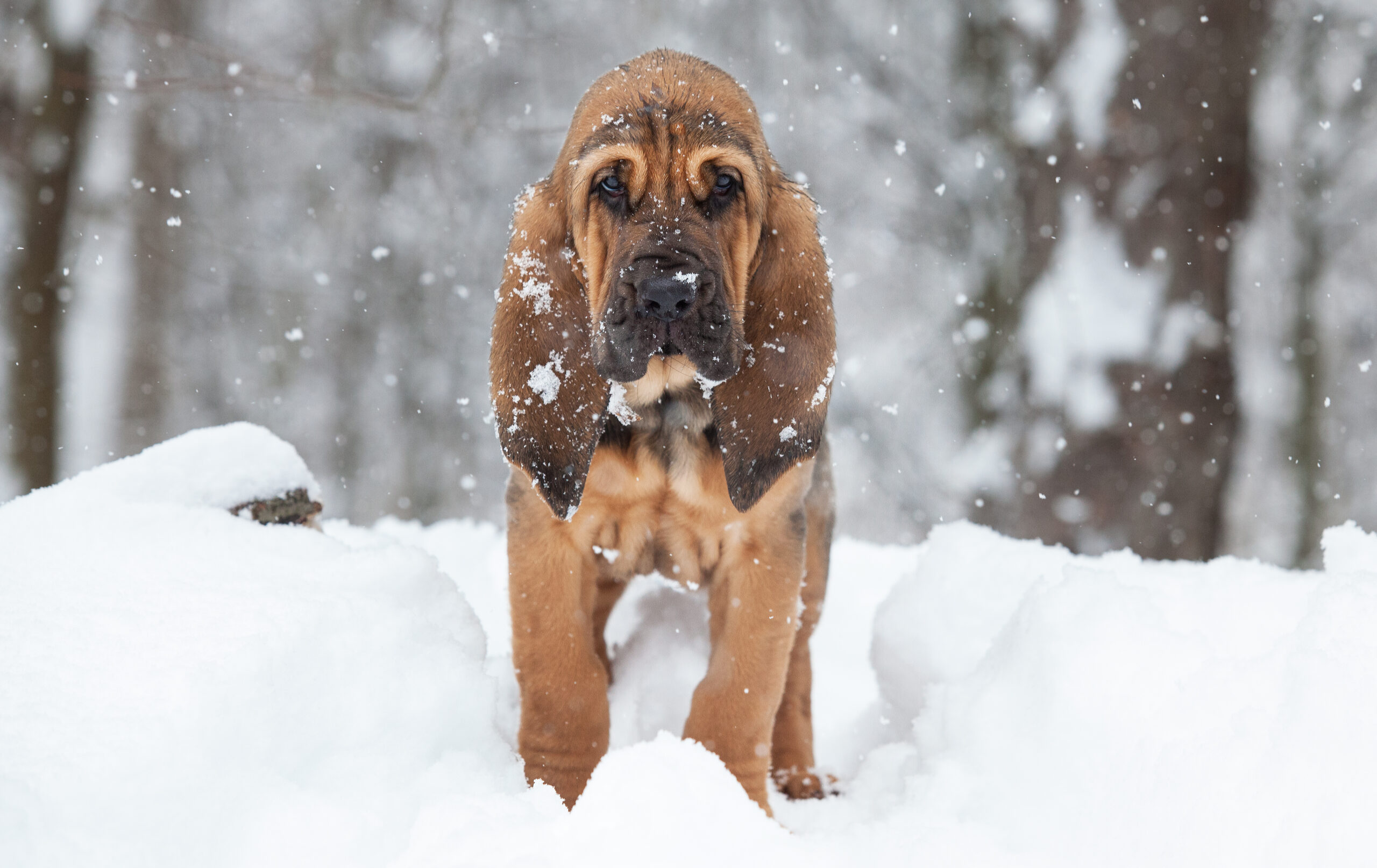
Black & tan, Liver & tan, Red
Key Characteristics
General information
Origin
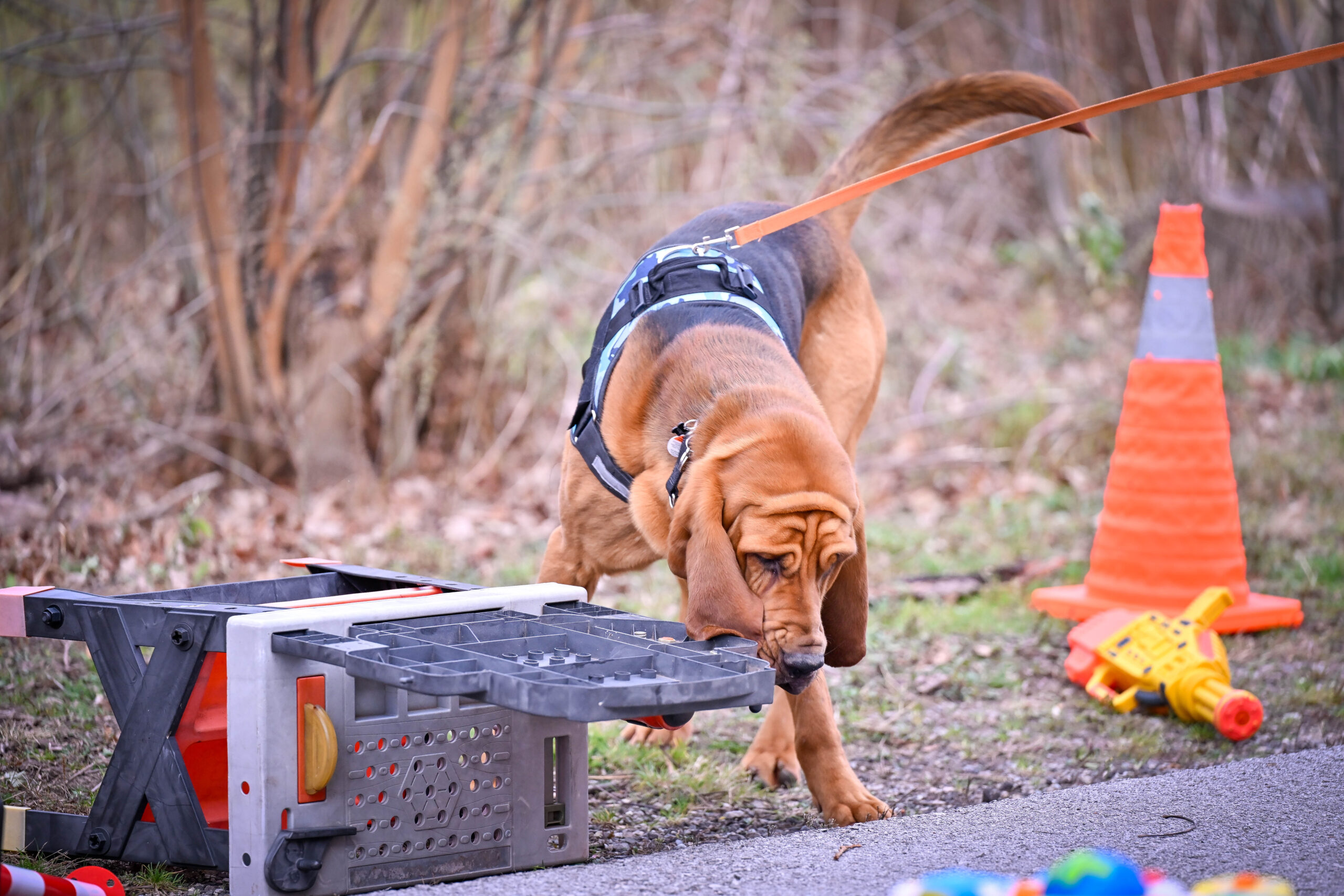
The Bloodhound is the oldest of the scent hounds as we know them today. All scent hounds today were bred with the Bloodhound as the base. Although his beginnings are left to speculation, we owe his development to St. Hubert, the patron saint of the hunter. It was believed he originally obtained his stock from southern France. This breeding was carried on after his death by the abbots, who succeeded him. The original purpose of the Bloodhound is not completely clear but, in the time, they were bred, hunting had to be uppermost. The nobility of the day soon learned they made excellent trailers of persons and were heavily used to trail and find game poachers killing the King’s game. Bloodhounds probably came to North America worth British Colonists . Their primary purpose in North America started as mantrailers then was to create other breeds . The Bloodhound is without equal in the area of man trailing . Its ability to follow a cold trail is legendary and it’s testimony is still accepted in almost any court of Law .
Temperament
In temperament he is extremely affectionate, neither quarrelsome with
companions nor with other dogs. His nature is somewhat shy, and equally
sensitive to kindness or correction by his master.
Activity Level
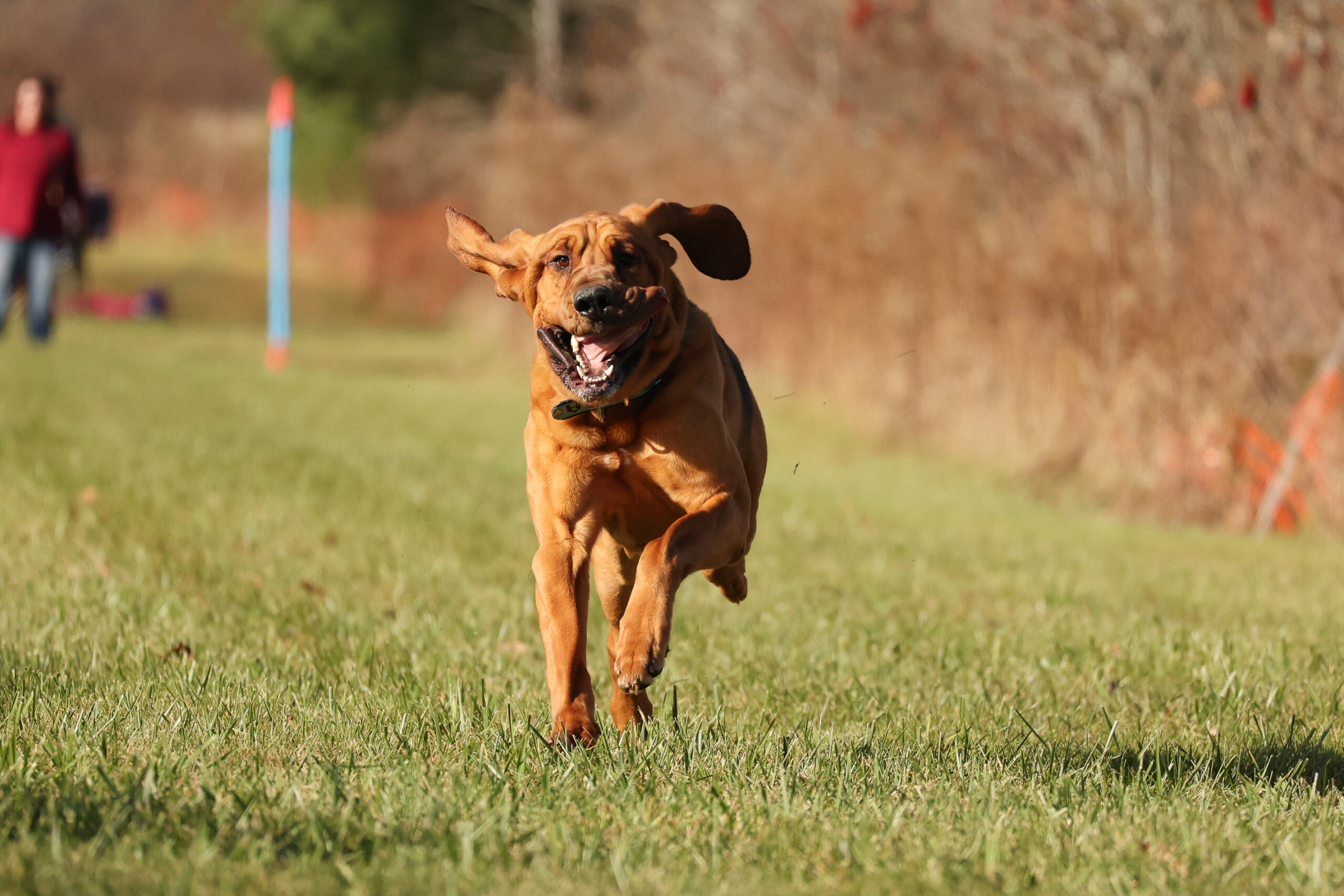
The popular misconception is that Bloodhounds spend their days lazing on the front porch. The truth is that the Bloodhound, who was bred to follow a scent for hours on end, is an active dog who requires daily exercise and mental stimuli . Additional exercise must be in a securely fenced because Bloodhounds are great diggers and escape artists.
Coat
The coat is short and lies flat. Bloodhounds do have undercoat and do shed .
Colour
Grooming
The Bloodhound has a short, dense coat that is shed once or twice a year. Weekly brushing with a medium-bristle brush, a rubber grooming mitt or tool, or a hound glove. . Bloodhounds should be bathed regularly to keep them from developing a doggy odor. As with all breeds, the Bloodhound’s nails should be trimmed regularly
Caring for Bloodhound
Training, Socialization & Breed Specific Traits
Bloodhounds require a large fenced in yard and cannot be trusted off lead in area that is not closed in. Bloodhounds require both daily physical and mental exercise. Bloodhounds are highly intelligent independent thinkers and can be challenging .
Health
Like other large, deep-chested dogs, Bloodhounds can experience bloat. Bloodhound owners should educate themselves to recognize the symptoms of this life-threatening condition, and know what to do should it happen. Bloodhounds are notorious for eating anything and everything, which can often lead to vet visits. The Bloodhound’s low-hanging ears should be checked daily for any sign of infection. In addition, check the Bloodhound’s skin wrinkles daily for odor or irritation, and if needed wipe with a warm, wet cloth and then dry thoroughly. As with all breeds, a Bloodhound’s teeth should be brushed regularly.
Recommended Health Tests From the National Breed Club:
Hip Evaluation
Elbow Evaluation
Cardiac Exam
Eyes
Degenerative Myelopathy (Dm)
Clubs
The Canadian Bloodhound Club
Learn moreBreed standards outline the ideal characteristics, temperament, and appearance of a breed, and ensure that a dog can carry out its original purpose. They act as a blueprint for the ideal specimen and include size, weight, colour, coat, ear set, tail set, topline, feet, movement, temperament, structure, etc.
Bloodhound Breed Standard