
Height
Male: 24 - 27 in
Female: 22 - 25 in
Weight
Male: 55 - 90 lbs
Female: 50 - 70 lbs
Life expectancy
6 - 13 years
Colours
Black, Dark grey, Grey, +4 more
Key Characteristics
General information
Origin
The Briard may well be the most ancient of the French herding breeds. A tapestry in the Louvre shows Charlemagne (742-814) flanked by two of the shaggy guardians. Napoleon was said to have owned a Briard as well. And when Thomas Jefferson was searching for herding dogs for his extensive sheep flocks, he imported several Briards on the recommendation of his friend, the Marquis de Lafayette. The Briard has the unique feature of double dewclaws on its hind legs.
Temperament
Briard owners describe the breed as “a heart of gold wrapped in fur.” Briards are intelligent, loyal, eager to please and naturally protective of owner, home and property. But it is absolutely imperative that they receive early socialization.
Activity Level
Though Briards can trot all day without tiring, they tend to be calm and relaxed in their home environment. However, they require a fair amount of outdoor exercise to stay in shape.
Coat
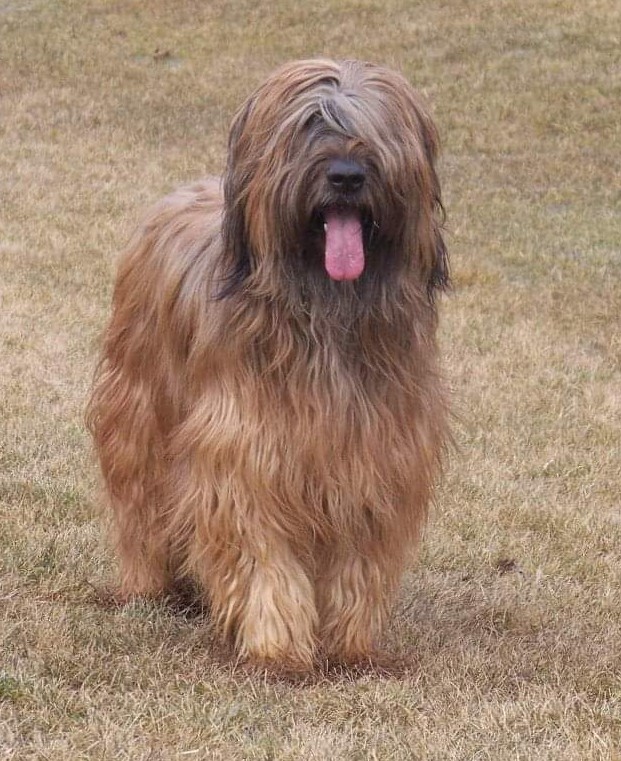
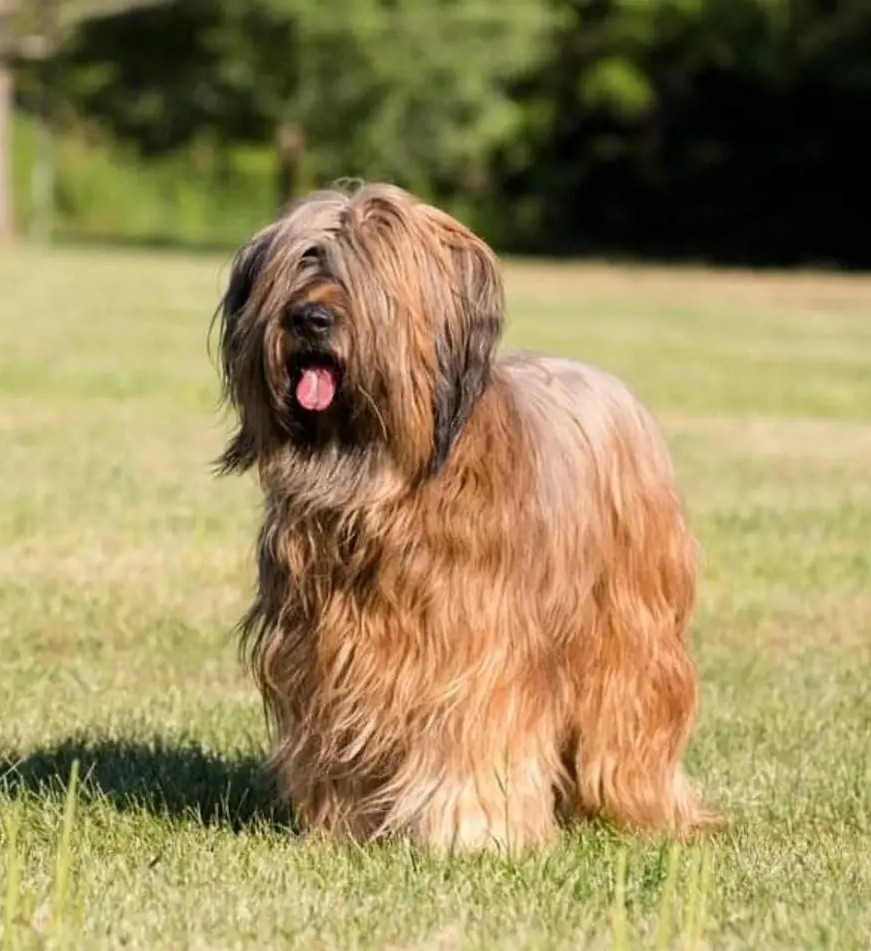
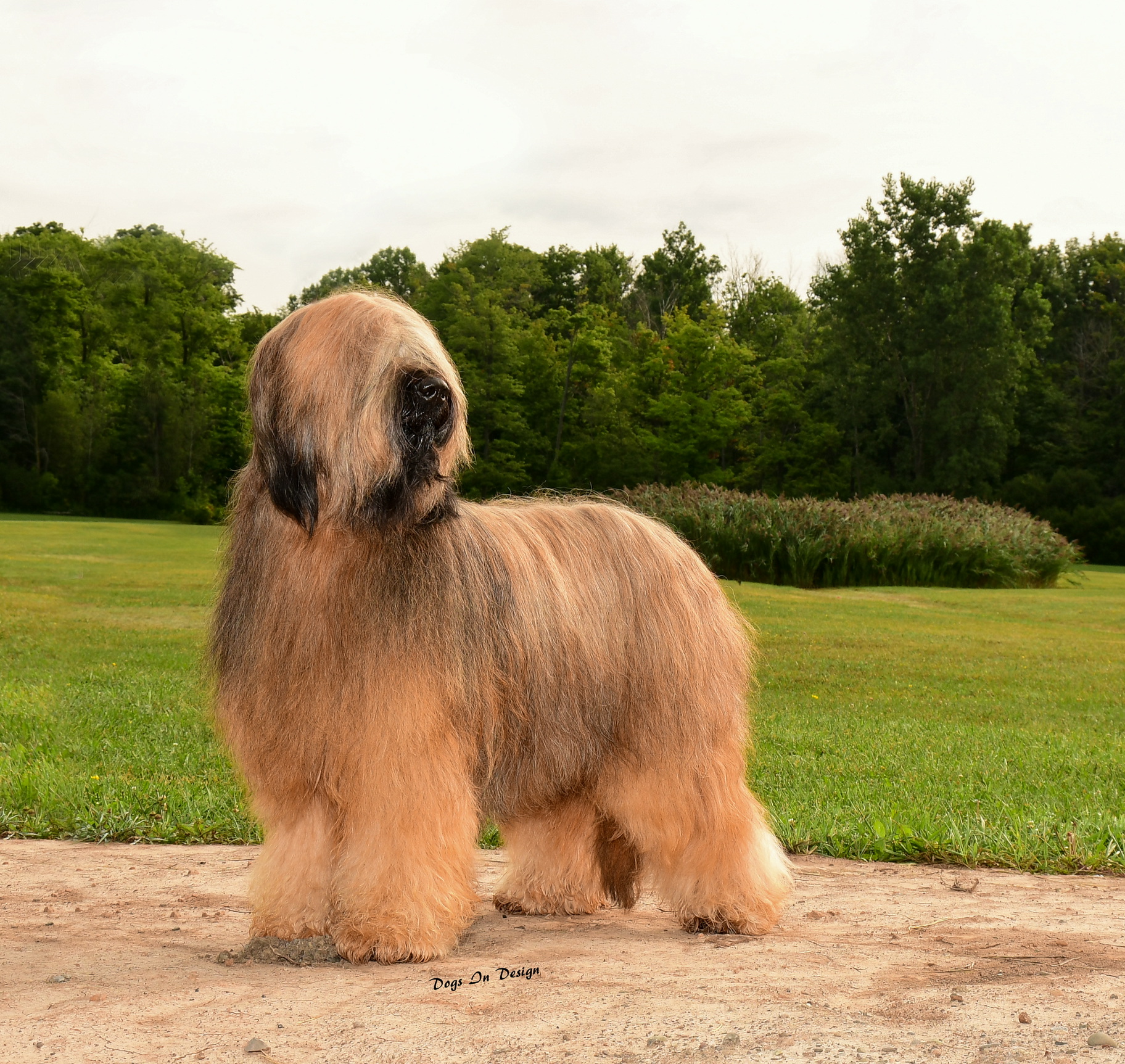
The long outer coat is coarse, hard and dry. It lies flat on the body, falling naturally in a slight wave. The undercoat is soft and fine. The strong head is well covered with hair that arches into eyebrows and forms a beard under the chin.
Colour
Grooming
Frequent weekly brushing is needed to ward off mats and keep the coat healthy and shining. Puppy coat transitioning to an adult coat may require grooming 2 to 3 times a week , depending on coat type.
Caring for Briard
Training, Socialization & Breed Specific Traits
Without consistent and proper socialization the Briard can be difficult.
Health
Major health concerns are bloat, hip dysplasia and Congenital stationary night blindness (CSNB). Responsible breeders perform health testing on potential breeding stock.
Clubs
Canadian Briard Club
Learn moreBreed standards outline the ideal characteristics, temperament, and appearance of a breed, and ensure that a dog can carry out its original purpose. They act as a blueprint for the ideal specimen and include size, weight, colour, coat, ear set, tail set, topline, feet, movement, temperament, structure, etc.
Briard Breed Standard