
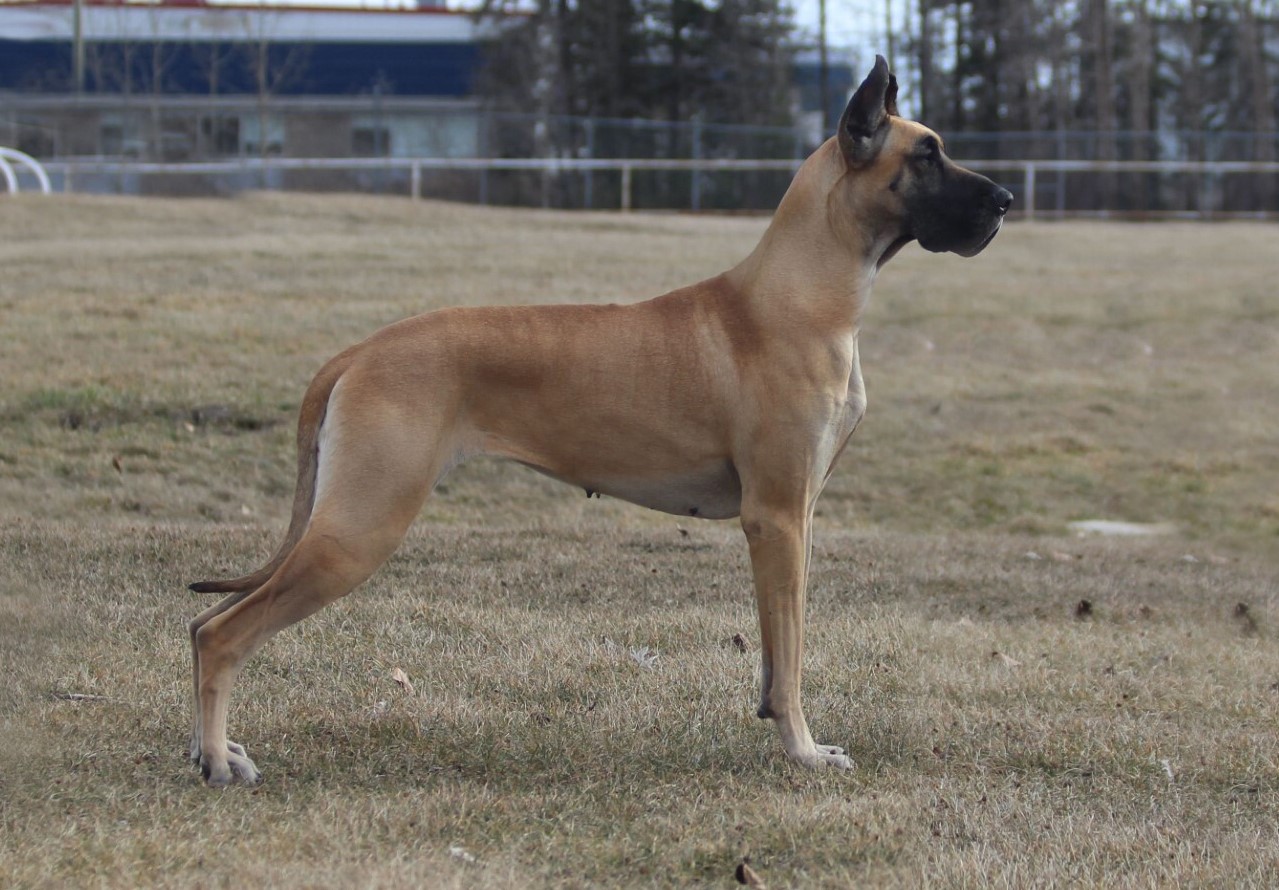
Height
Male: 30 - 0 in
Female: 28 - 0 in
Life expectancy
8 - 10 years
Colours
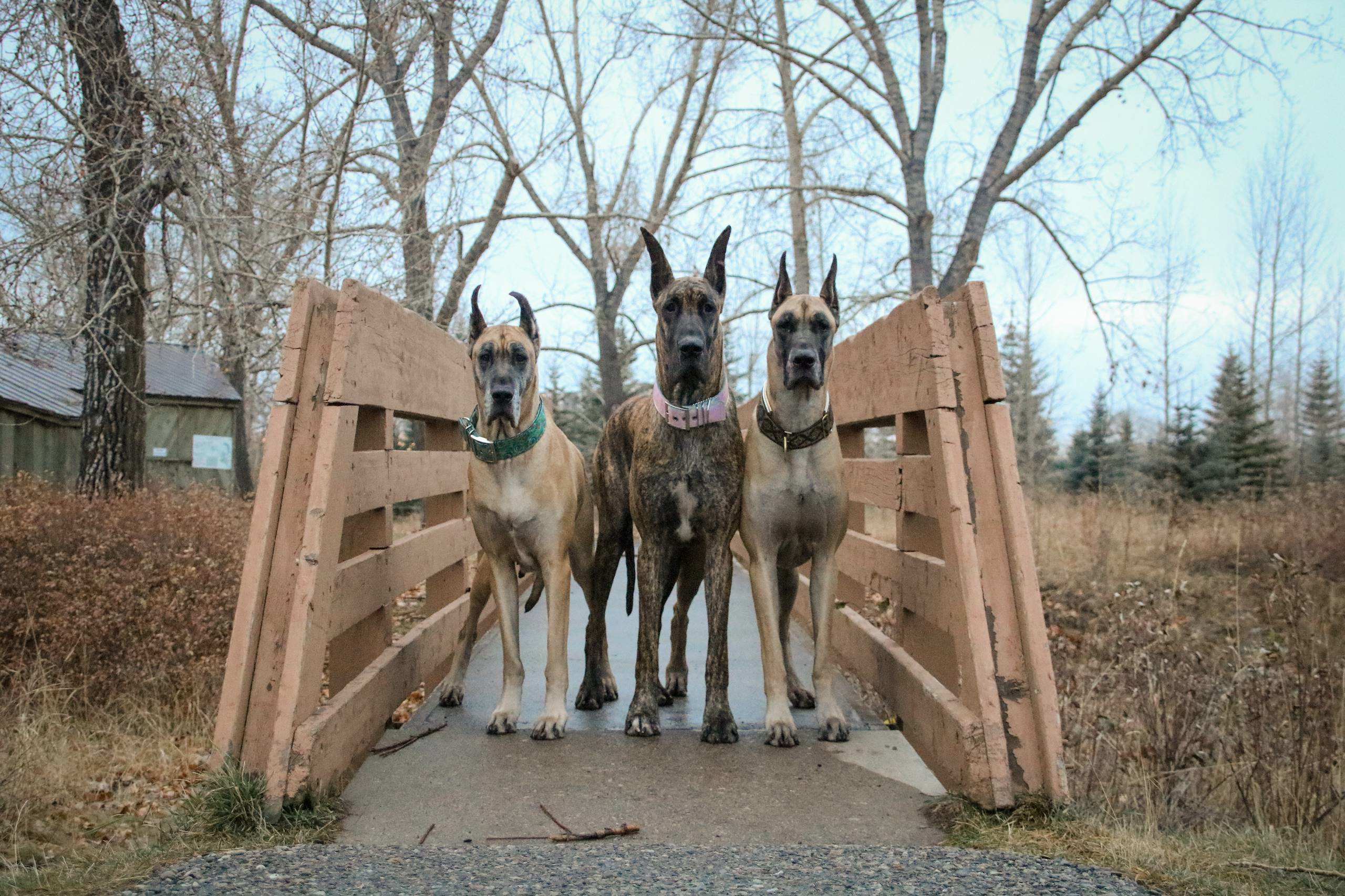
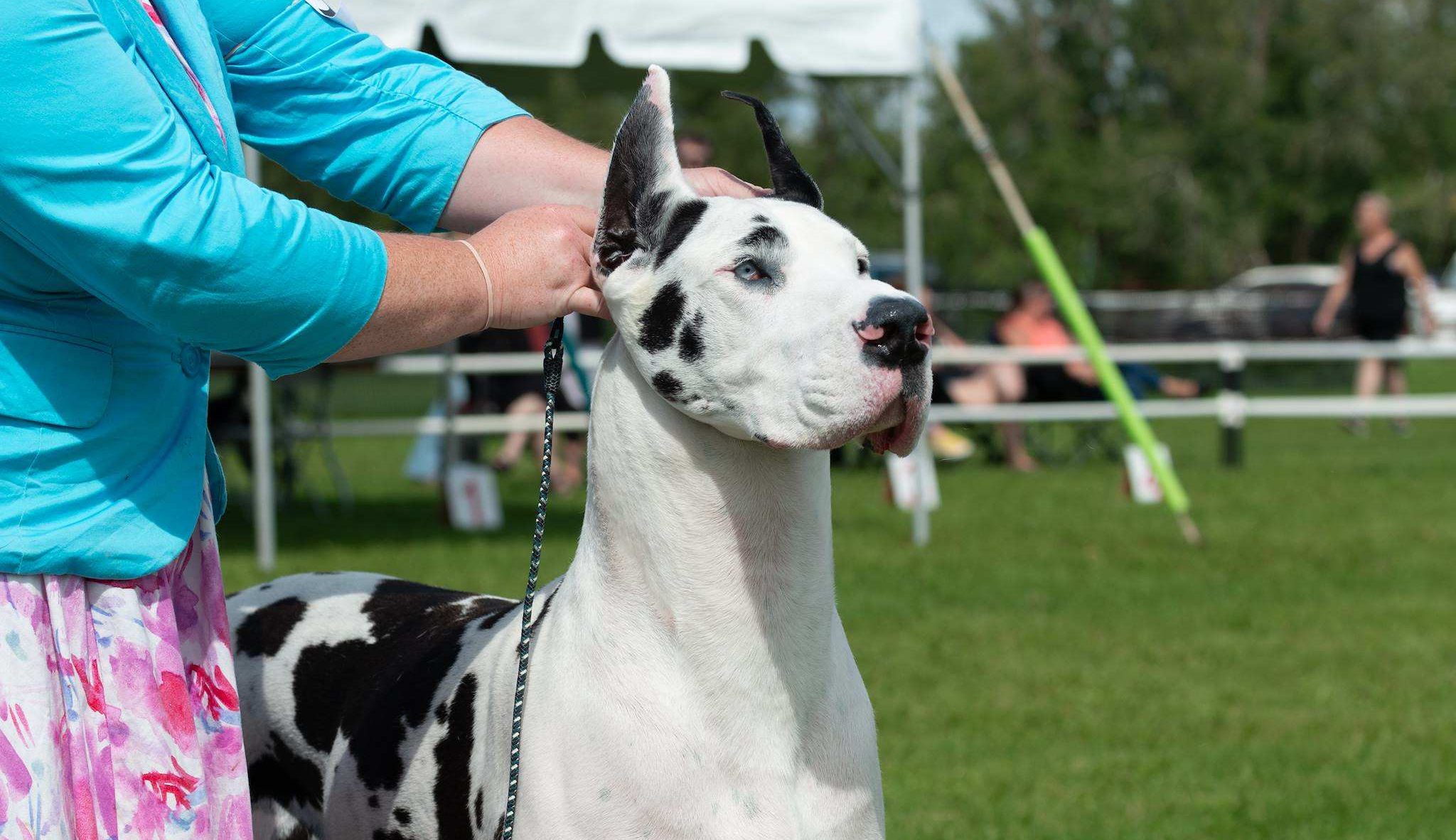
Black, Black, white markings, Blue, Boston, +8 more
Key Characteristics
General information
Origin
The “Apollo of Dogs” is not Danish as its name implies. The giant breed was developed in Germany, where it has been known since the Middle Ages. In the Fatherland, it is known as the Deutsche Dogge (German Mastiff) and was used originally to hunt wild boar, patrol estates and as a war dog. The aristocratic dog was proclaimed Germany’s national dog in 1876. The breed was first imported to North America in the mid-19th century and one of the earliest owners was the famous “Buffalo Bill” Cody.
Temperament
Early imports to this continent were reported to be ferocious animals that had been used as attack dogs. American breeders are credited with transforming the breed into the even-tempered, friendly and dependable Dane of today. The Dane of today must be spirited and courageous – never timid. He is friendly and dependable.
Activity Level
Danes enjoy outdoor activity and daily exercise. They adapt well to city or country living but need room indoors as well as out.
Coat
The coat should be very short and thick, smooth, and glossy.
Colour
Grooming
The coat requires minimal grooming. Nails need trimming regularly.
Caring for Great Dane
Training, Socialization & Breed Specific Traits
Giant breed dogs require greater financial investment for food, health care and veterinary care.
Health
The most common health issues affecting the Great Dane are Bloat/ Gastric Dilation and Volvulus (GDV) (also referred to as Gastric Torsion), Heart [Dilated Cardiomyopathy (DCM)], Thyroid, orthopedic issues such as Hips and/or Elbow Dysplasia, Eyes (Cataracts), and Cancer. Health testing of parents can reduce the incidence.
Clubs
Great Dane Club Of Canada
Learn moreBreed standards outline the ideal characteristics, temperament, and appearance of a breed, and ensure that a dog can carry out its original purpose. They act as a blueprint for the ideal specimen and include size, weight, colour, coat, ear set, tail set, topline, feet, movement, temperament, structure, etc.
Great Dane Breed StandardBreeders
Canadian Kennel Club
1 breeder
-
Katie Chappelle
Ebd