
Colours
Black, Black & white, Black brindle, Blue, +16 more
Key Characteristics
General information
Origin
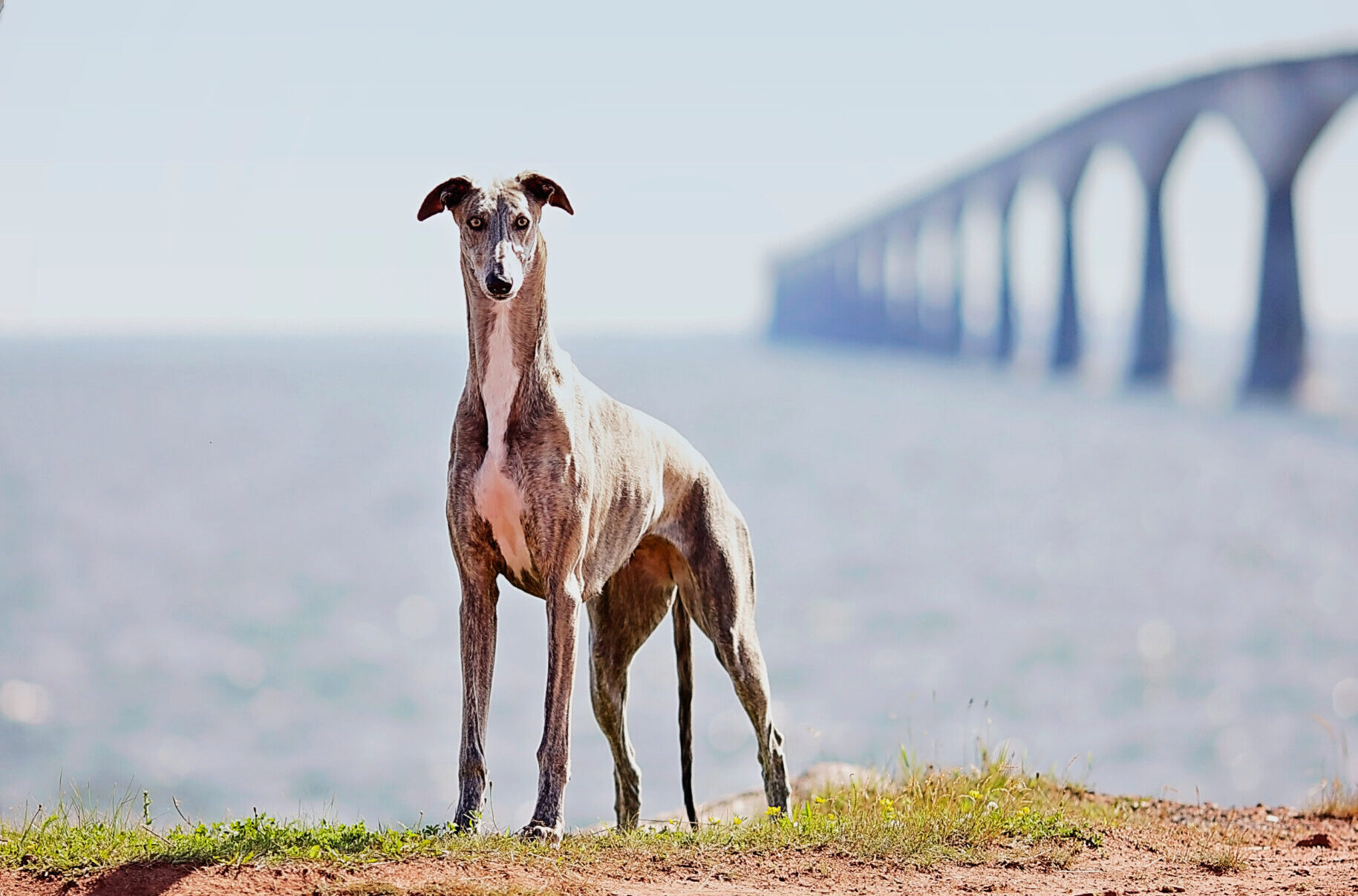
One of the world’s swiftest dogs may also be one of the world’s oldest breeds. The Greyhound’s history dates back 4,000 to 7,000 years, depending on which historian you choose to believe. Egypt is the Greyhound’s country of origin and even before the advent of Christianity, it was taken by traders to Europe, the Orient and Britain, and it is in Britain that the breed was developed into the dog we know today. The Greyhound was valued as a hunter of stag, gazelle, fox and hare, so when hare coursing was introduced as a British sport in the 16th century, the Greyhound was a natural participant. Later, when dog racing became popular, the Greyhound was in his its element. The Greyhound is believed to be the progenitor of several other sighthound breeds.
Temperament
Alert, responsive and somewhat sensitive, the Greyhound makes a clean and quiet family pet. Once solely the property of nobility, this aristocratic breed is happy to occupy your chesterfield.
Activity Level
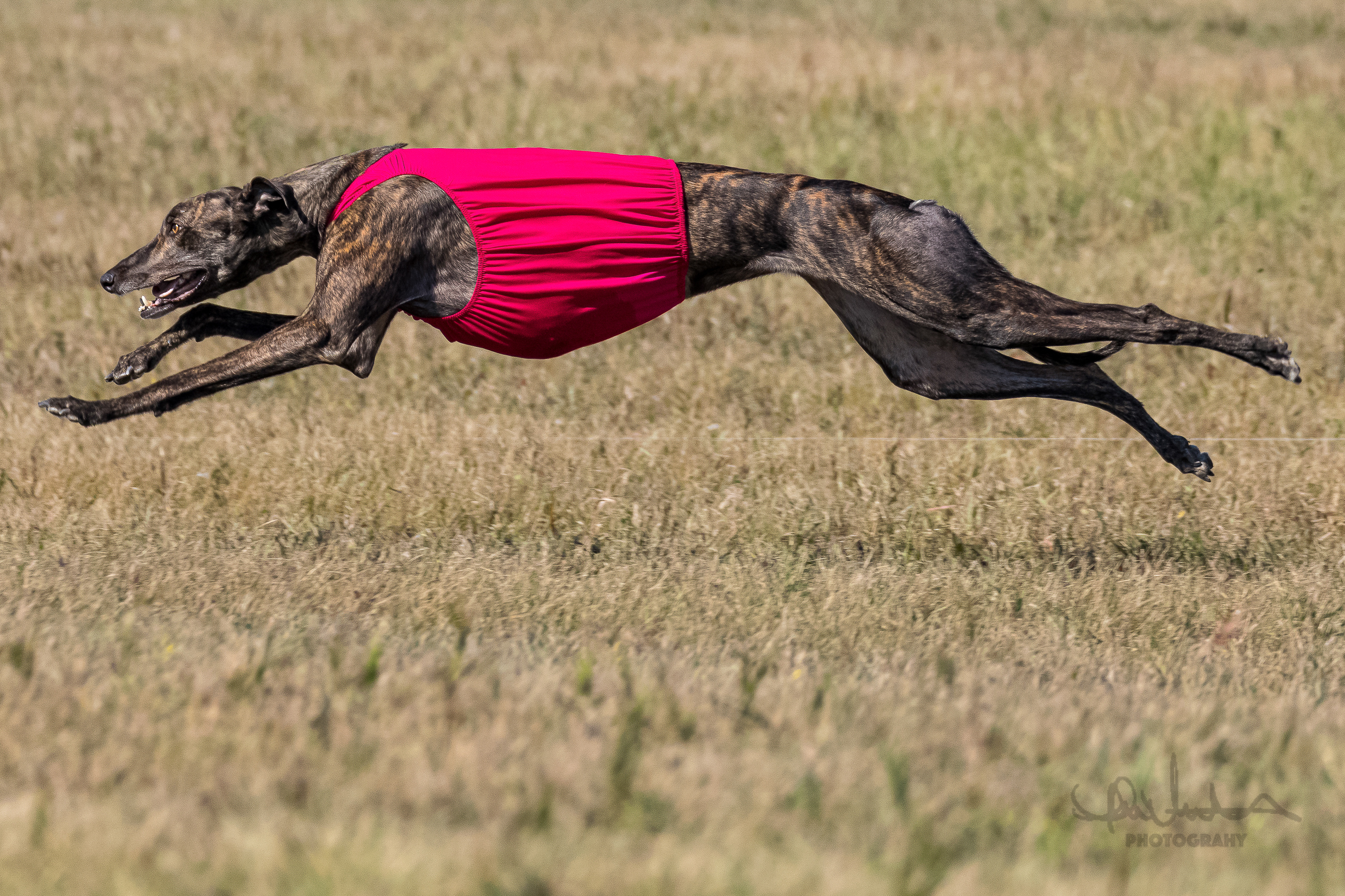
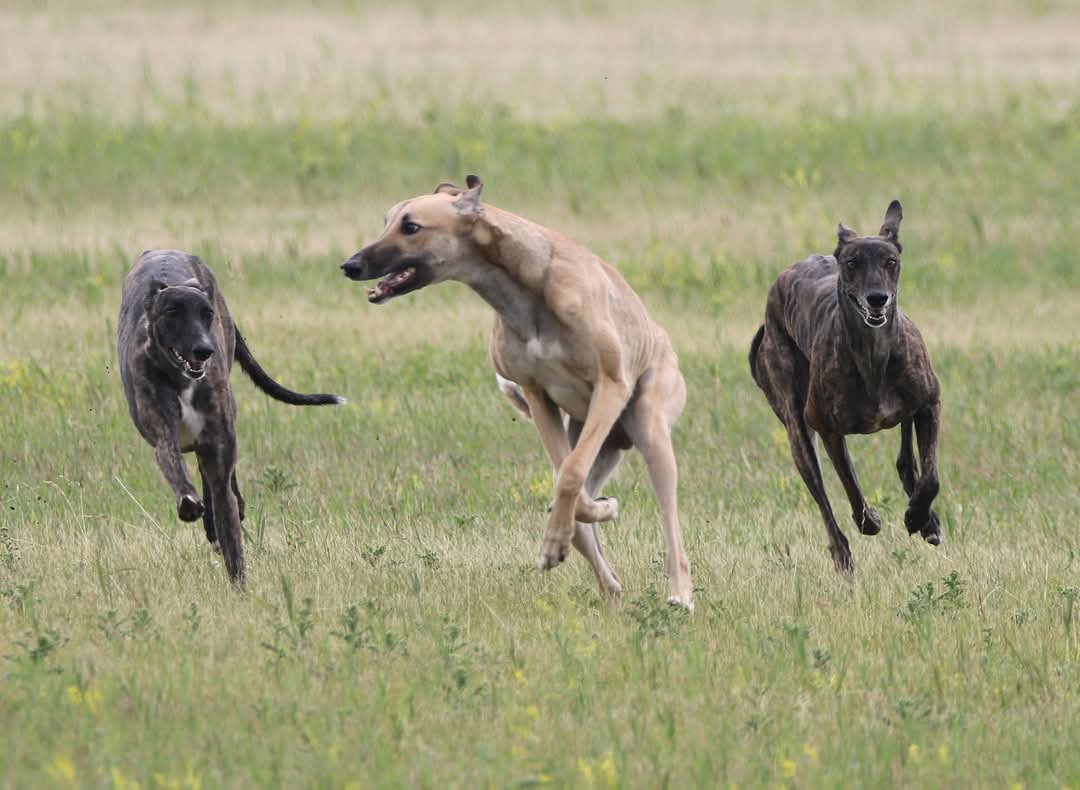
Although the breed is calm and quiet in the home when properly exercised, it is capable of great bursts of speed and should have plenty of safe running room to stretch its long limbs.
Coat
The smoothly elegant outline of the Greyhound is cloaked in a short, smooth and firm-textured coat.
Colour
Grooming
Only a rubdown with a hound’s glove is needed to keep the coat gleaming and free of dead hair.
Caring for Greyhound
Training, Socialization & Breed Specific Traits
The Greyhound is fast and exhibits a strong prey drive. Care must be taken when exercising the breed in areas where it might encounter small animals, including small dogs, cats, and wildlife.
Health
Greyhound polyneuropathy (GHPN) is a neurologic disease caused by a mutation on the NDRG1 gene. This is an autosomal recessive disease that causes peripheral nerves to degenerate, leading to muscle weakness and atrophy. A DNA test can be used to determine a dog’s gene status.
Clubs
Breed standards outline the ideal characteristics, temperament, and appearance of a breed, and ensure that a dog can carry out its original purpose. They act as a blueprint for the ideal specimen and include size, weight, colour, coat, ear set, tail set, topline, feet, movement, temperament, structure, etc.
Greyhound Breed Standard