
Height
Male: 22 - 25 in
Female: 21 - 24 in
Weight
Male: 60 - 80 lbs
Female: 55 - 75 lbs
Life expectancy
10 - 14 years
Colours
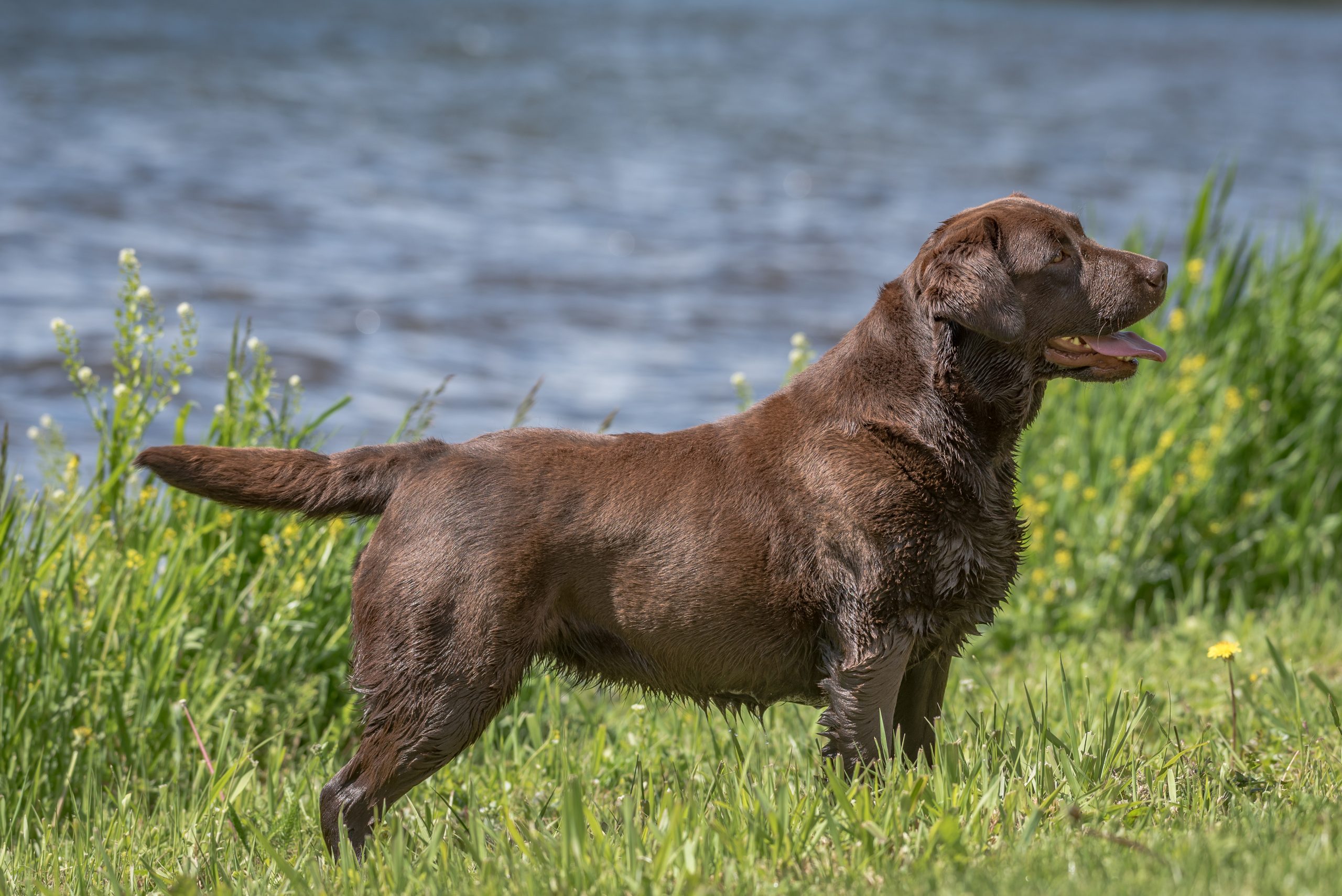
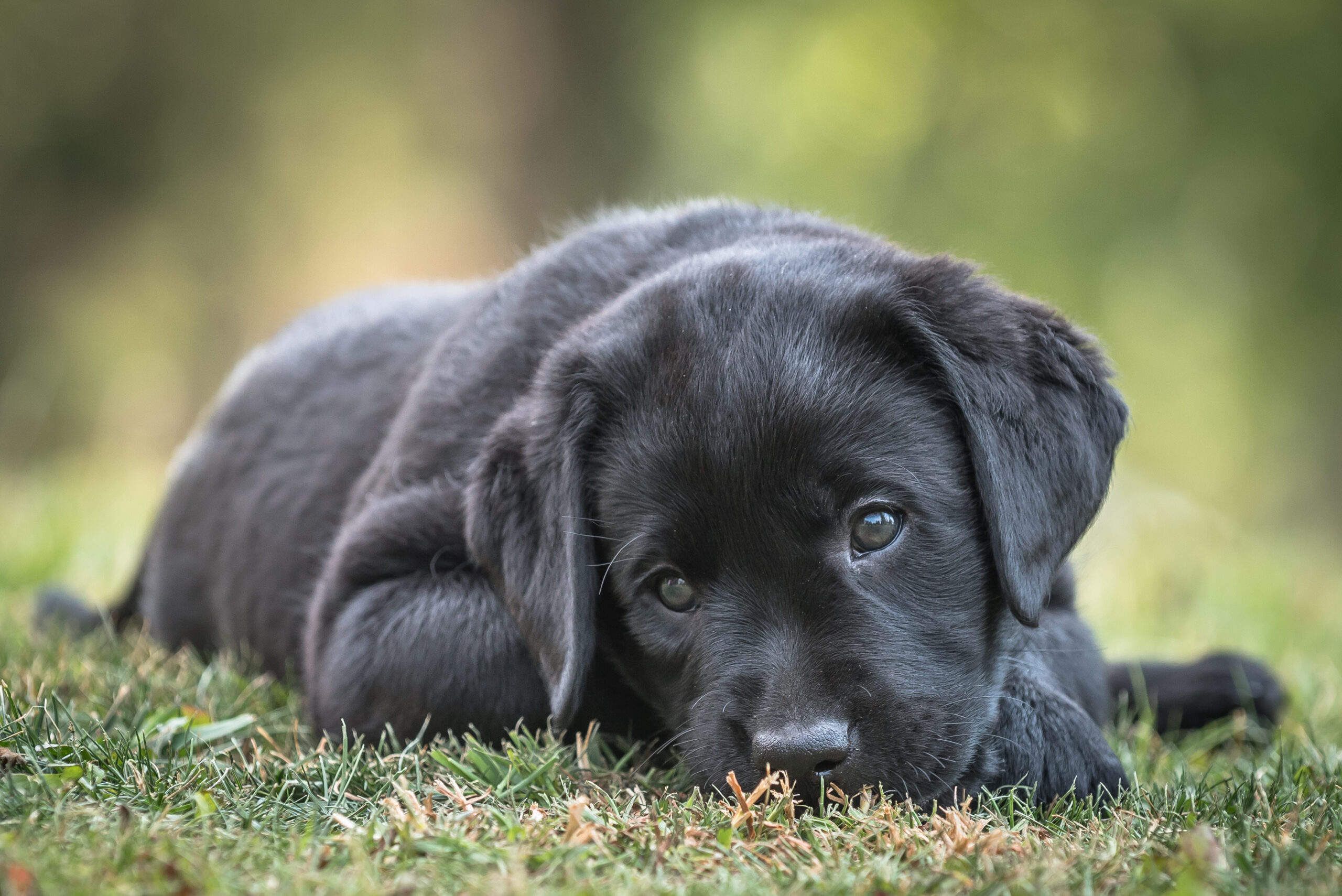
Black, Chocolate, Yellow
Key Characteristics
General information
Origin
The Labrador descended from dogs taken to Newfoundland by explorers, fishermen and settlers and evolved there by natural selection. The breed was known by several names, among them the black Water Dog, the Lesser Newfoundland and the St. John’s Dog. Excellent retrievers of fish and game, they often sailed with the fishermen and in the early 1800s, English sportsmen acquired a few of the hardy dogs off the fishing boats. The British further developed the breed by crossing it with other sporting dogs, notably the Flat-coated Retriever, the Curly-coated Retriever and the Tweed Water Spaniel. It wasn’t long before the Lab took over as Britain’s most popular gun dog. The breed was first recognized by The Kennel Club (England) in 1903 and by the CKC in 1908. In addition to its prowess as a gun dog, the Lab has distinguished itself as a police dog, a guide dog for the blind, in search & rescue and as a family companion.
Temperament
His gentle ways, intelligence and adaptability have done much to account for the Lab’s popularity as a pet. His disposition is kindly, outgoing and friendly coupled with an eager-to-please nature and general non-aggressiveness.
Activity Level
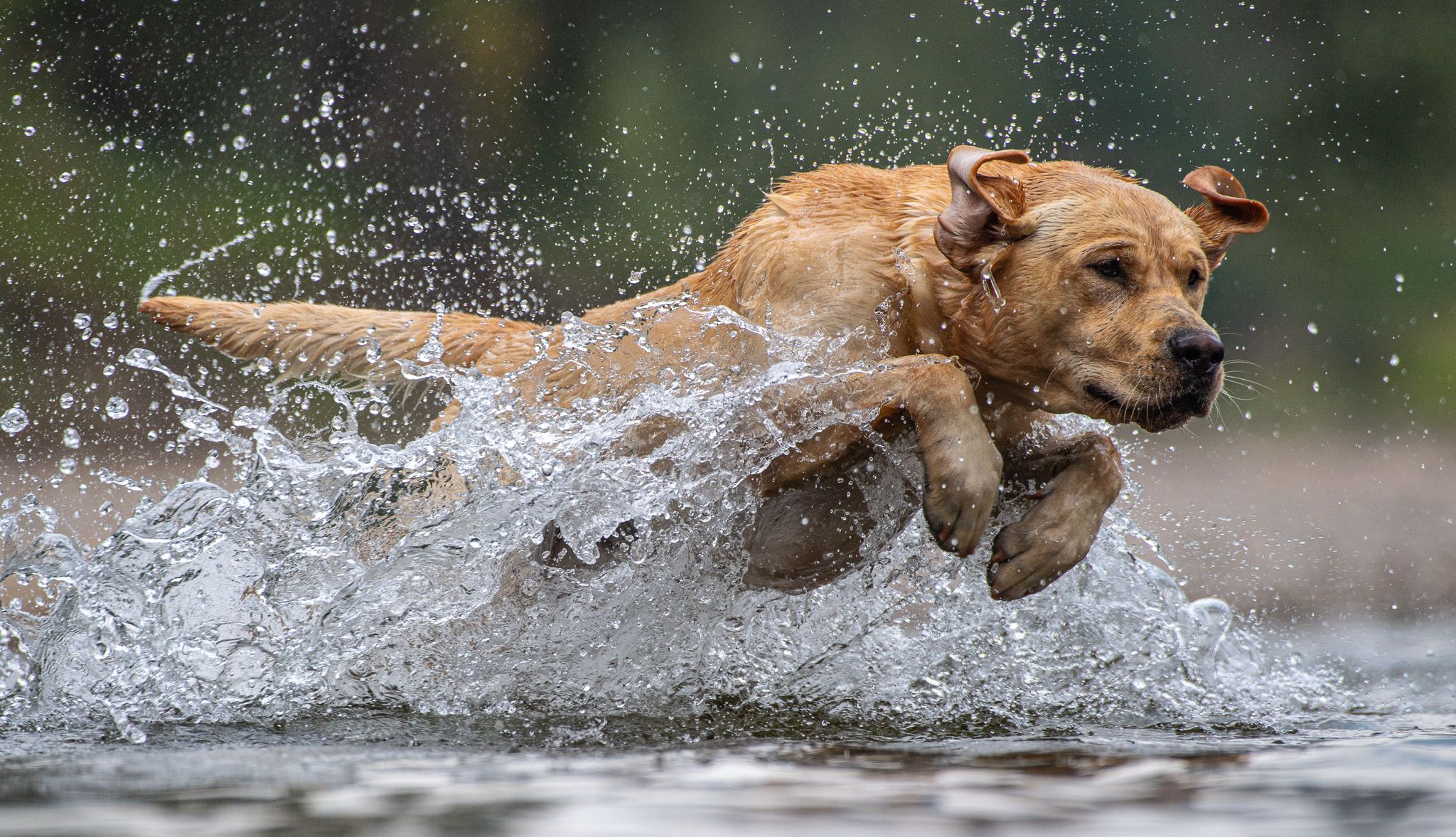
Excelling in field and other performance events , the Labrador enjoys outdoor exercise and is especially fond of swimming. He’ll happily retrieve until your arm gives out. He’s a great family pet, good with children, adaptable to most settings.
Coat
Outer coat short, straight, although a slight wave down the back is also correct; dense without feathering, giving fairly hard feel to the touch; soft, dense weather-resistant undercoat.
Colour
Grooming
Regular brushing will help to keep the shedding under control. Regular weekly trimming of nails & cleaning of ears are also required.
Caring for Labrador Retriever
Training, Socialization & Breed Specific Traits
Labs are very food oriented, so don’t let your dog get overweight. Let them swim & teach them to fetch as great ways to exercise them. Friendly to all & good trainability. Love family activities or organized dog sports. Early obedience training is essential. Bored, under active Labs can become destructive chewers.
Health
In addition to Hip & Elbow clearances at 2 years of age from OFA and an annual DACVO/OFA eye exam, responsible & ethical breeders are also doing many genetic tests on their breeding stock to reduce the risk of producing problems, which may include:
– Progressive Retinal Atrophy-Progressive Rod-Cone Degeneration (PRA-prcd)
– Exercise Induced Collapse (EIC)
– Centronuclear Myopathy (CNM)
– Degenerative Myelopathy (DM)
– Hereditary Nasal Parakeratosis (HNPK)
– Dilute/D Locus
– Copper Toxicosis
– Heart (Echo, Auscultation)
Clubs
Labrador Retriever Club Of Canada
Learn moreBreed standards outline the ideal characteristics, temperament, and appearance of a breed, and ensure that a dog can carry out its original purpose. They act as a blueprint for the ideal specimen and include size, weight, colour, coat, ear set, tail set, topline, feet, movement, temperament, structure, etc.
Labrador Retriever Breed StandardBreeders
Canadian Kennel Club
1 breeder