
Colours
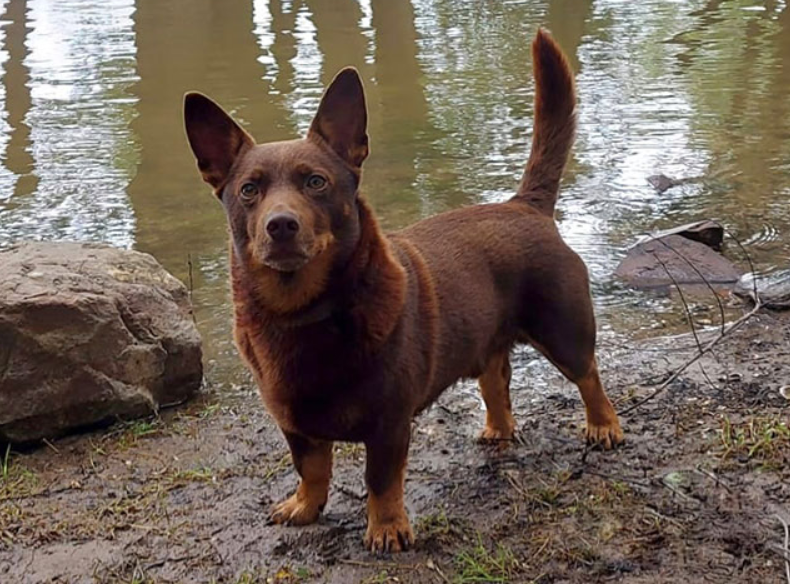
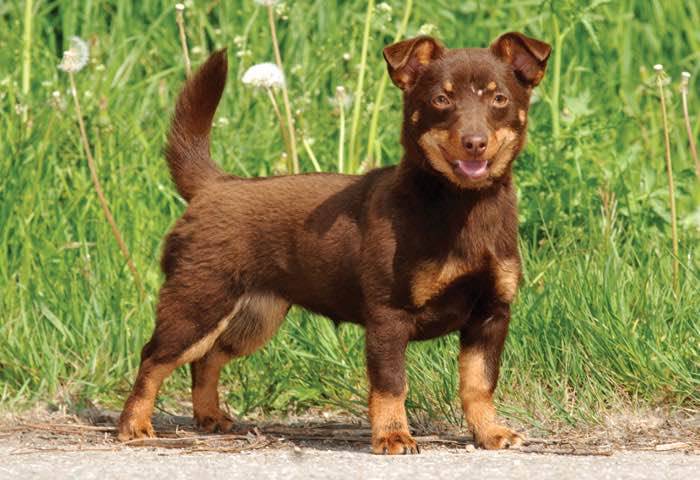
Black & tan, Liver & tan
Key Characteristics
General information
Origin
Developed in the 19th century in northwest England to drive cattle to market, the Lancashire Heeler (also called Ormskirk Heeler) is assumed to have originated in the cross-breeding of Welsh Heelers (now called Welsh Corgis) with small black-and-tan terriers from Manchester. Though larger dogs drove cattle from one pasture to another, the smaller heelers drove them to town, working independently to prevent cattle from disappearing down the narrow streets, then escorting them from market to butcher. This versatile breed that also controls vermin is on Britain’s Vulnerable Native Breeds list.
Temperament
The Heeler is intelligent, determined and loves people. He makes a happy and affectionate companion for a firm, kindly owner.
Activity Level
Its job driving cattle called for a tough, sound, very agile dog. A Heeler has boundless energy and needs to be kept busy.
Coat
The fine undercoat is covered by a weather-resistant, short, thick, hard topcoat. The coat is seasonal – plush in winter with a visible mane, sleek and shiny in summer.
Colour
Grooming
The Lancashire Heeler has easy, low‑maintenance grooming needs, thanks to its short, weather‑resistant coat. A quick weekly brushing is usually enough to remove loose hair and keep the coat looking tidy. They shed moderately, with a bit more hair during seasonal changes. Occasional baths and routine nail, ear, and dental care round out their simple grooming routine.
Clubs
Breed standards outline the ideal characteristics, temperament, and appearance of a breed, and ensure that a dog can carry out its original purpose. They act as a blueprint for the ideal specimen and include size, weight, colour, coat, ear set, tail set, topline, feet, movement, temperament, structure, etc.
Lancashire Heeler Breed Standard