
Height
Male: 30 - 0 in
Female: 27 - 0 in
Colours
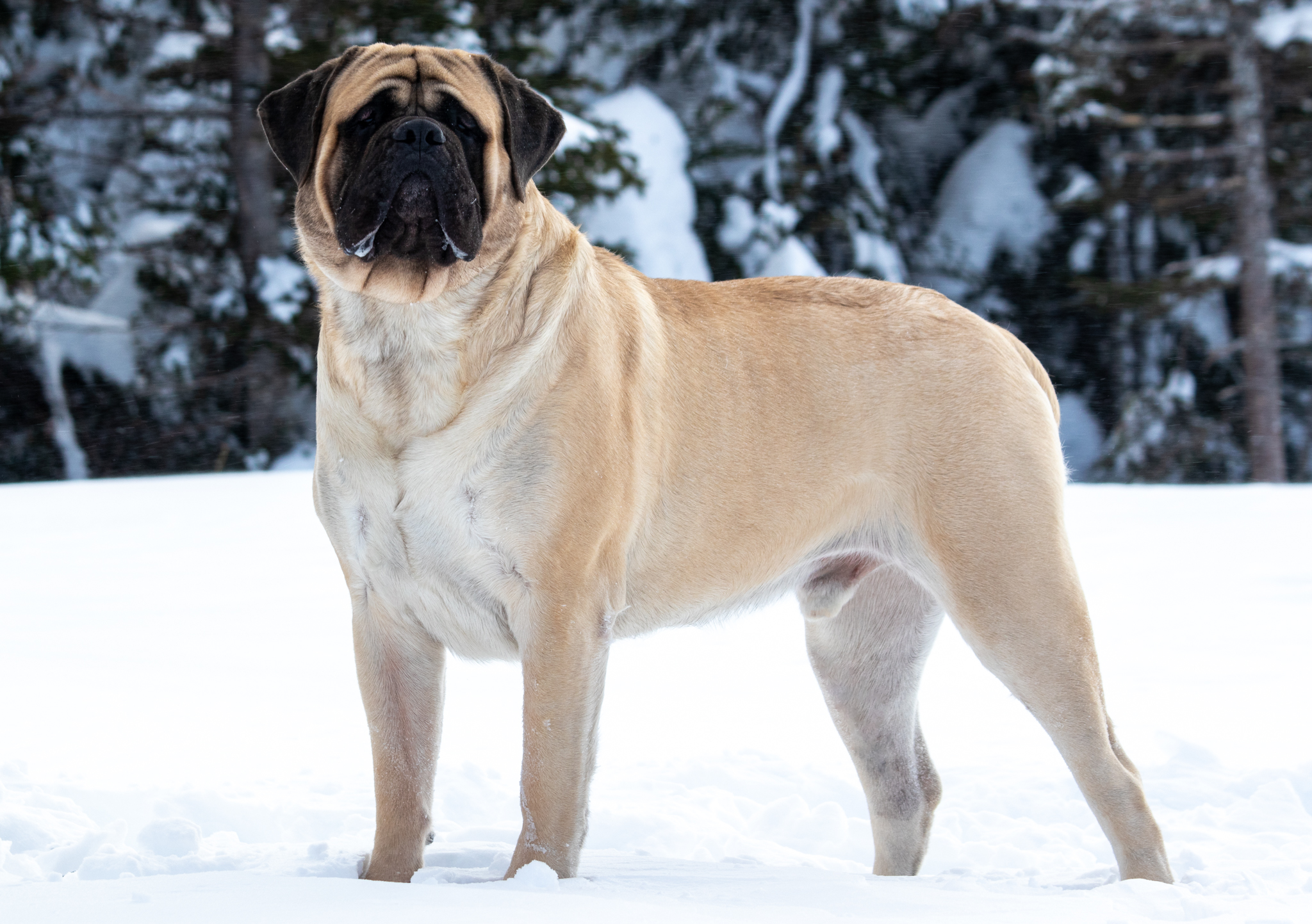
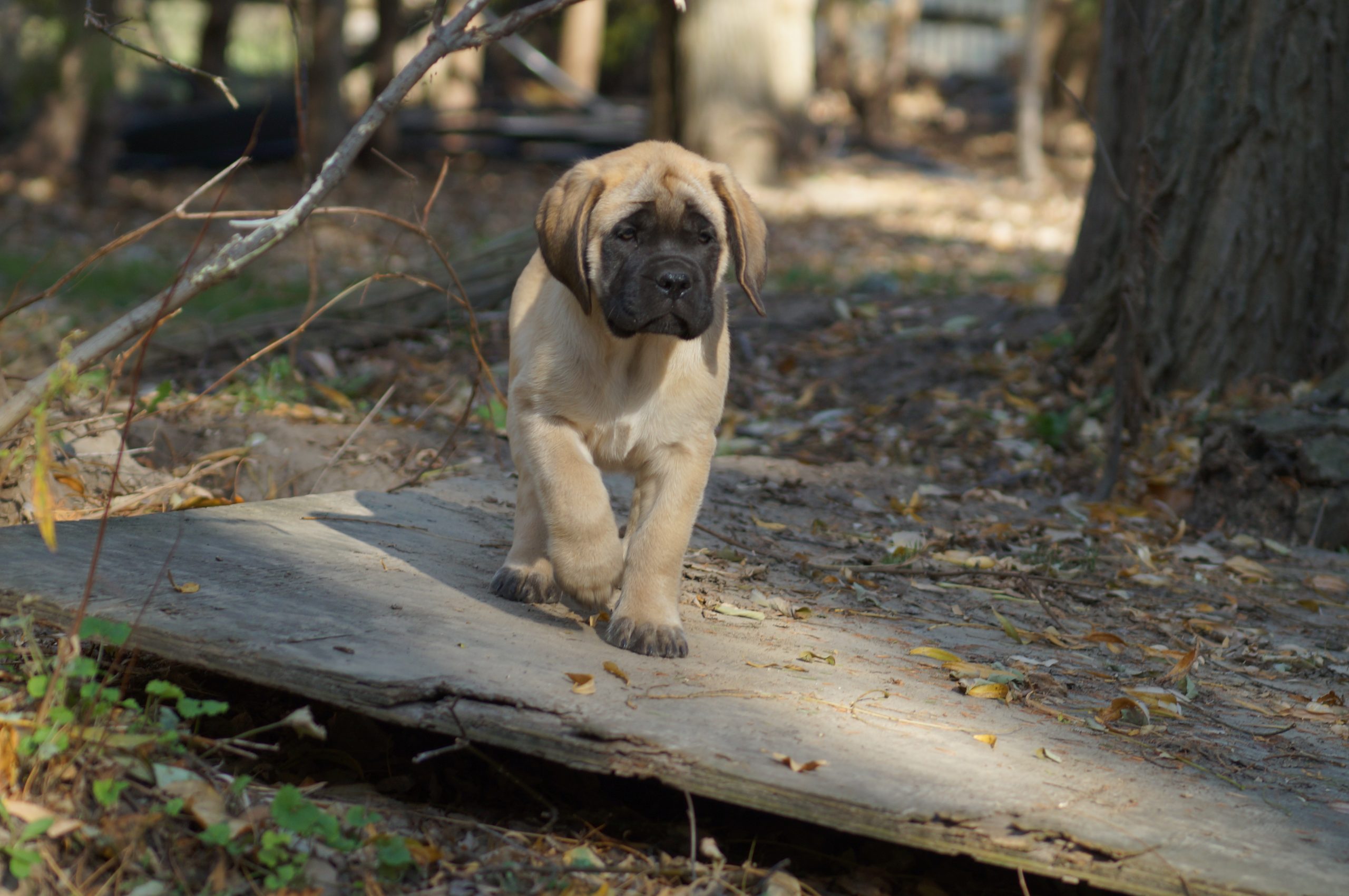
Apricot, Apricot brindle, +15 more
Key Characteristics
General information
Origin
The Mastiff, sometimes referred to as the Old English Mastiff, may have descended from giant, mastiff-type dogs brought to Britain by Phoenician traders in the 6th century BC. The Britons crossbred them with local fighting dogs and used the resulting canines to hunt wolves and later as combatants in bear, lion and bull-baiting competitions. When the Romans arrived in Britain, they were so impressed with the mighty dogs that they took them back to their arenas in Rome. Two World Wars dealt harshly with the breed in Britain and there are more Mastiffs in the U.S. than there are in the country of origin.
Temperament
The Mastiff is said to be a combination of grandeur and good nature, courage and docility.
Activity Level
Dignity rather than gaiety is the Mastiff’s correct demeanour. The Mastiff takes life as it comes. Given its size, the breed needs ample space and a fair amount of leisurely exercise.
Coat
The short outer coat is moderately coarse. There’s a dense, short and close-lying undercoat as well.
Colour
Grooming
A vigorous brushing is all the grooming necessary.
Clubs
Canadian Mastiff Club
Learn moreBreed standards outline the ideal characteristics, temperament, and appearance of a breed, and ensure that a dog can carry out its original purpose. They act as a blueprint for the ideal specimen and include size, weight, colour, coat, ear set, tail set, topline, feet, movement, temperament, structure, etc.
Mastiff Breed Standard