
Life expectancy
8 - 12 years
Colours
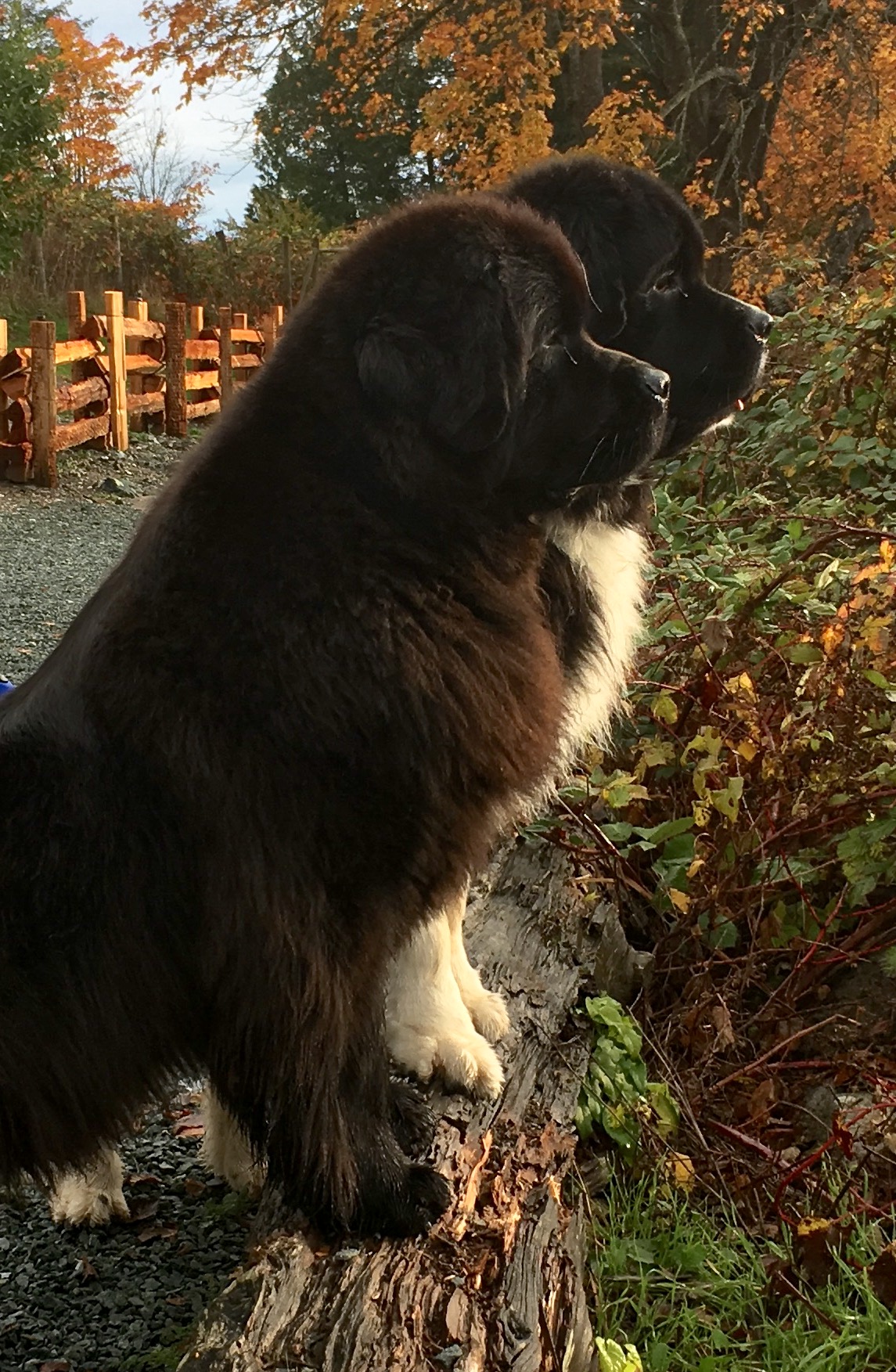
Black, Black & white, Black, white markings, +1 more
Key Characteristics
General information
Origin
There are differing opinions on how the Newfoundland breed came about. Some believe the breed’s progenitor was the Tibetan Mastiff, which may have migrated to both Newfoundland and Scandinavia. There are those who theorize Leif Ericsson brought the Viking ‘bear dogs’ with him when he arrived in Newfoundland in AD 1001 and they mated with the dogs of the Maritime Indians. There, the giant black dogs evolved in comparative isolation. During the 19th century, the breed became a European status symbol and at one time, Newfies were the most popular import to Great Britain. The breed was used to re-establish the Alpine rescue dogs at the Hospice of St. Bernard after their numbers were decimated by a distemper epidemic. In Britain, the black and white variety became known as the “Landseer” after the famous artist who featured the breed in his painting, ‘A Distinguished Member of the Humane Society.’
Temperament
The Newfoundland’s temperament is reflected in their soft expression. The breed is benevolent, intelligent & dignified but capable of fun. They are known for their gentleness and serenity. Most Newfs are excellent with children
Activity Level
The Newfoundland is an excellent swimmer with a strong life-saving instinct. There are hundreds of documented water rescues performed by this breed. The Newf has also been used as a draught dog and fisherman’s helper. This easygoing dog loves the outdoors and country living, especially if he has access to water.
Coat
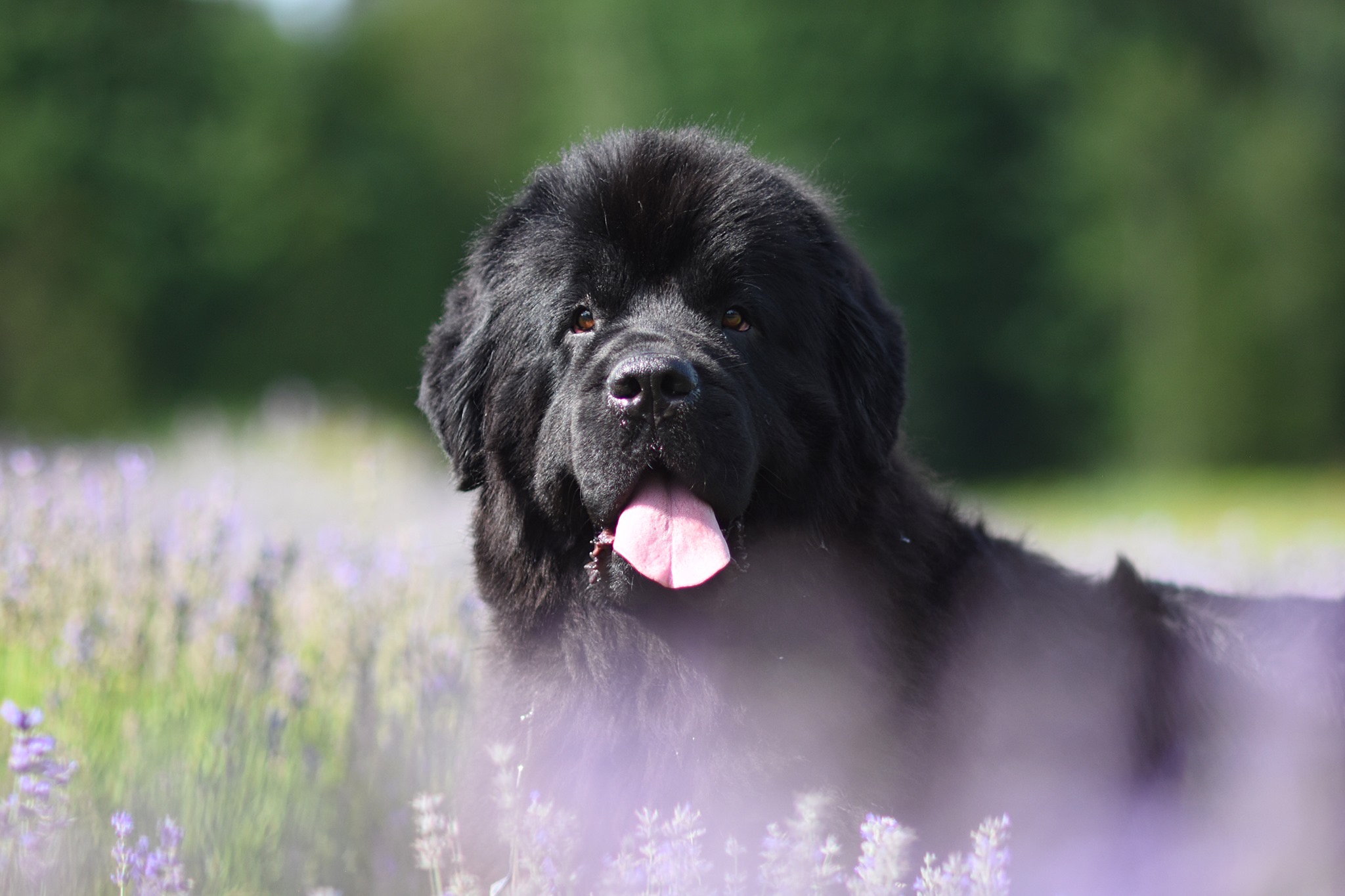
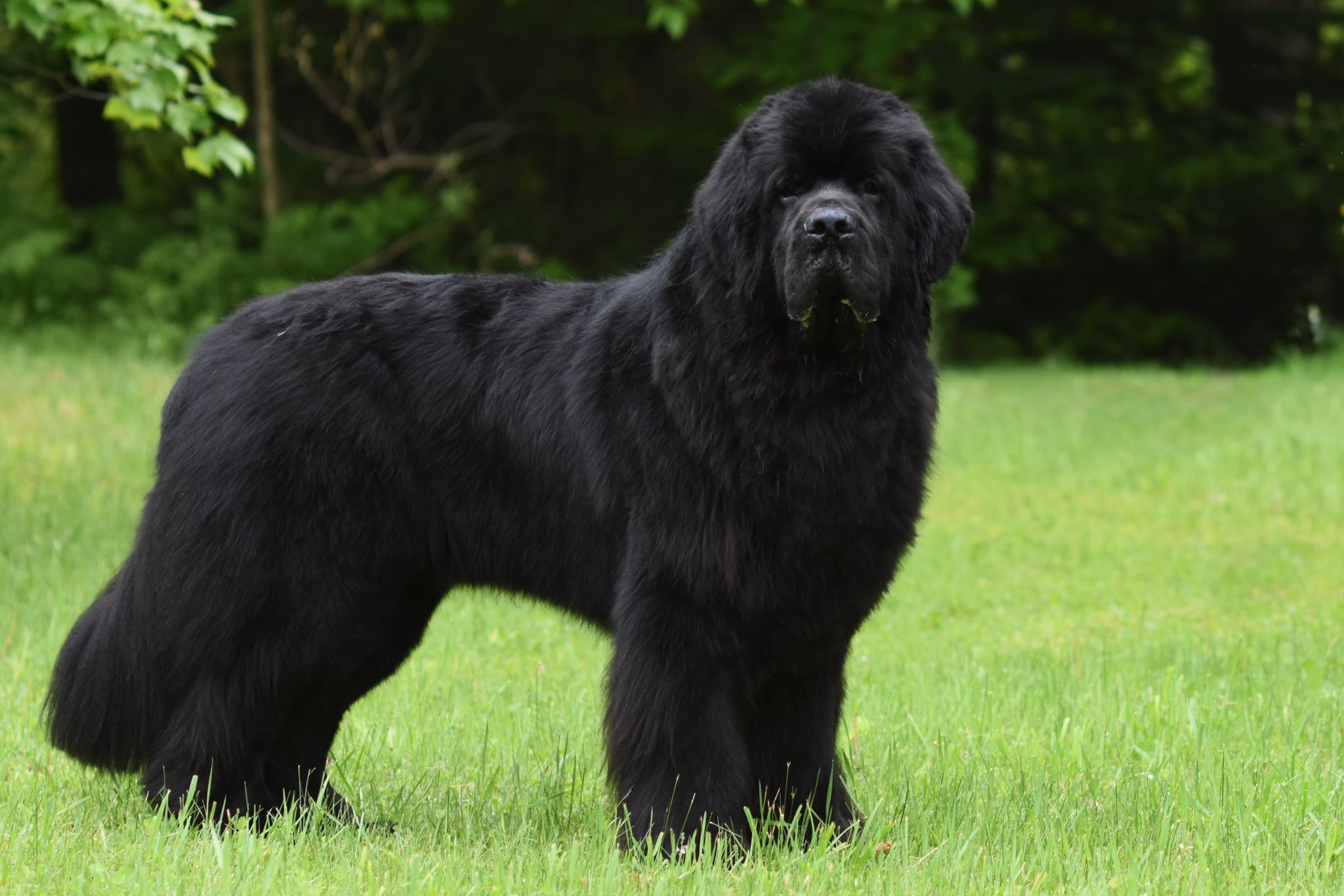
The Newf’s coat was designed to aid him in water work. It is flat, dense and water-resistant, being somewhat oily. The outer coat is moderately long and straight. It may have a slight wave but no curl. The hair on the head, muzzle and ears is short and fine. There is a soft, dense undercoat.
Colour
Grooming
The thick coat needs regular raking and brushing, especially during times of seasonal shedding. A weekly groom is a must.
Caring for Newfoundland
Training, Socialization & Breed Specific Traits
This is a fast growing breed, and should start training young.
Clubs
Newfoundland Dog Club Of Canada
Learn moreBreed standards outline the ideal characteristics, temperament, and appearance of a breed, and ensure that a dog can carry out its original purpose. They act as a blueprint for the ideal specimen and include size, weight, colour, coat, ear set, tail set, topline, feet, movement, temperament, structure, etc.
Newfoundland Breed Standard