
Life expectancy
10 - 13 years
Colours
Biscuit, Black, Black & tan, Black & tan, +16 more
Key Characteristics
General information
Origin
As stated in the published National Geographic study in 2004 the Pekingese is one of the 14 breeds of dog that are most closely related to wolves and their ancestors. The other breeds include additional Oriental breeds including the Pekingese ‘cousin’, the Shih Tzu. Both developed in China around 800BC, the Pekingese may be a miniature edition of the ancient ‘Foo Dogs’ of China that were used to ward off evil spirits with their lion-like appearances. Earliest references to the breed date back to the 8th century. Ownership of the Pekingese was restricted to members of the Chinese Imperial Court and the pampered little lion dogs were not seen outside of China until 1860. In that year, British troops stormed the Summer Palace at Peking. Most of the palace dogs had been killed to prevent the British from taking them. But five ‘sleeve’ Pekes were found guarding the body of an imperial princess who had taken her own life. These five were taken back to Britain and one was presented to Queen Victoria who named her ‘Looty.’ This quintet, plus a few imported later, formed the basis of the modern Pekingese breed.
Temperament
The Pekingese displays great dignity and exasperating stubbornness. The calm and good-tempered Peke is both independent and regal. Although not aggressive, he fears nothing.
Activity Level
Though it may appear to be beneath his station, the Peke still enjoys an occasional romp with his family. Dignified in demeanour, his exercise needs are minimal and easily satisfied. He fits well into any size accommodation.
Coat
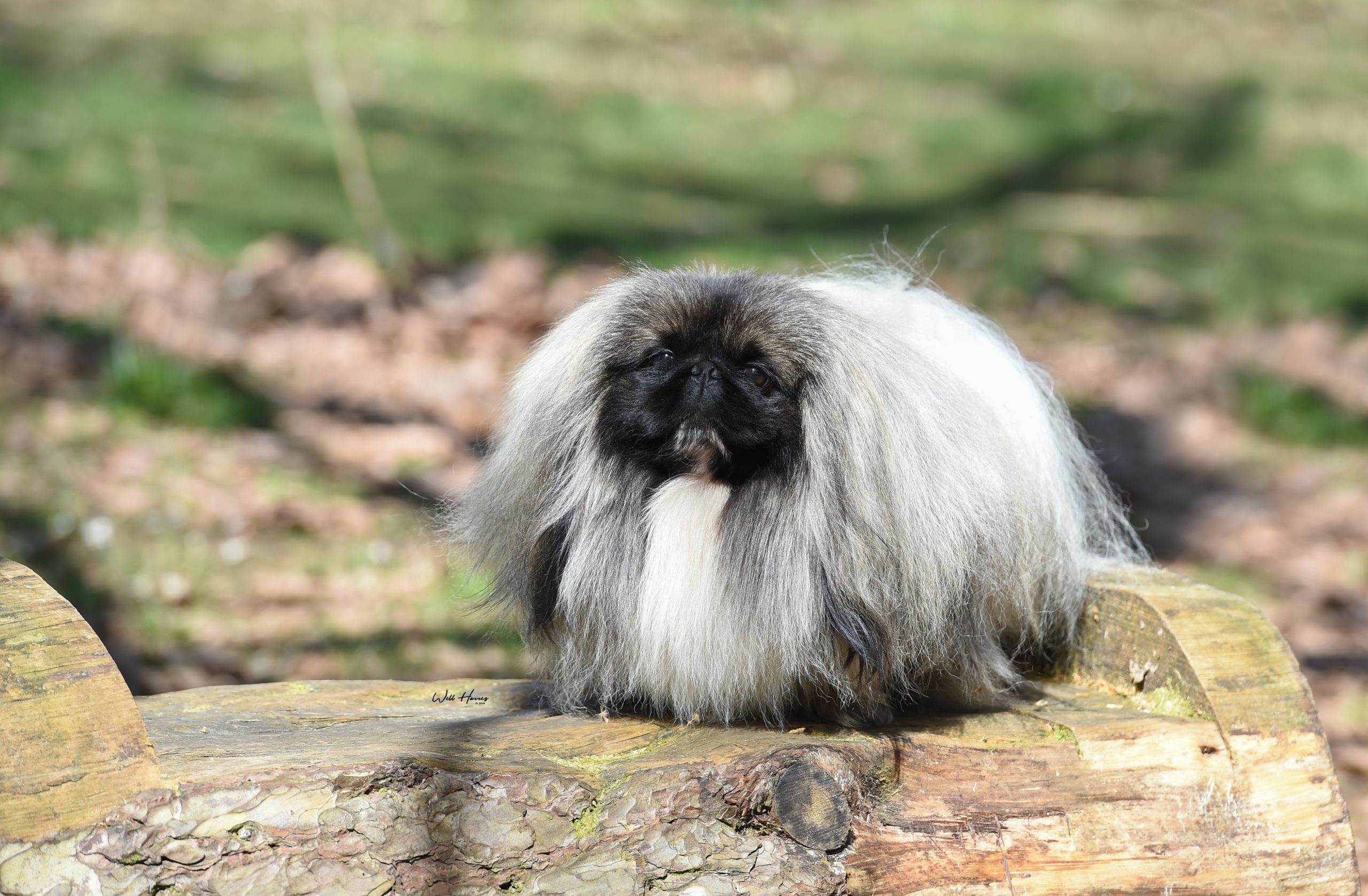
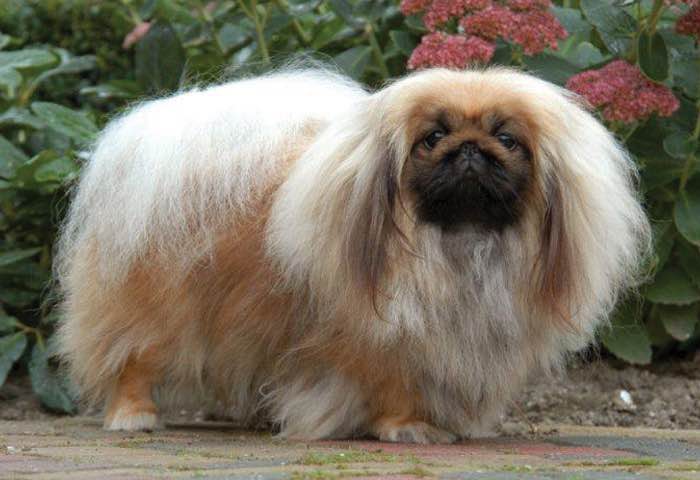
The Peke appears to be almost all coat, wearing a glorious mantle of long, straight, coarse-textured hair. The coat forms a mane on the neck and shoulders.
Colour
Grooming
The richly coated Peke needs daily brushing.
Caring for Pekingese
Health
There are no health issues identified by genetic testing. Eyes, back problems and breathing should be considered by breeders when selecting potential breeding pairs.
Clubs
National Pekingese Club Of Canada (NPCC)
Learn moreBreed standards outline the ideal characteristics, temperament, and appearance of a breed, and ensure that a dog can carry out its original purpose. They act as a blueprint for the ideal specimen and include size, weight, colour, coat, ear set, tail set, topline, feet, movement, temperament, structure, etc.
Pekingese Breed Standard