
Height
Male: 10 - 12 in
Female: 10 - 12 in
Life expectancy
10 - 15 years
Colours
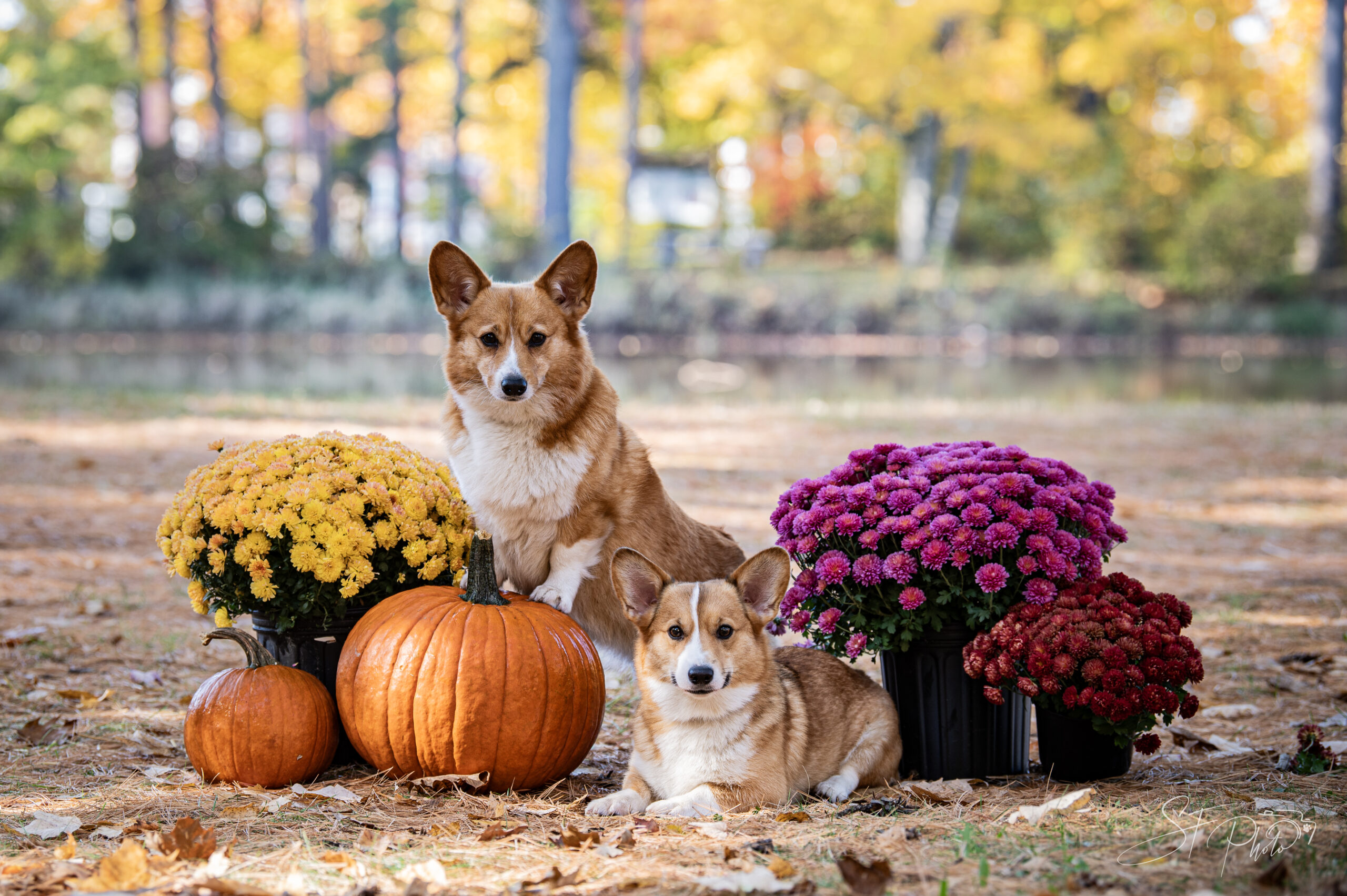
Black & tan, Black white & tan, Fawn, +10 more
Key Characteristics
General information
Origin
Historians theorize that ancestors of the Pembroke Welsh Corgi are recorded as early as the 10th Century. They are thought to further descend from members of the Spitz family, likely brought to Wales when Flemish weavers settled in the Welsh county of Pembrokeshire in the 12th century. Whatever its ancestry, the foxy Pembroke has always had enormous appeal; working the farms, driving cattle to market and guarding the Welsh homesteads for many centuries.
Royal patronage brought the breed international fame. In 1933, King George VI, then Duke of York, purchased a Pembroke Corgi puppy from Thelma Gray, Rozavel Kennels, for his daughters. Queen Elizabeth’s keen interest in the breed continues to this day.
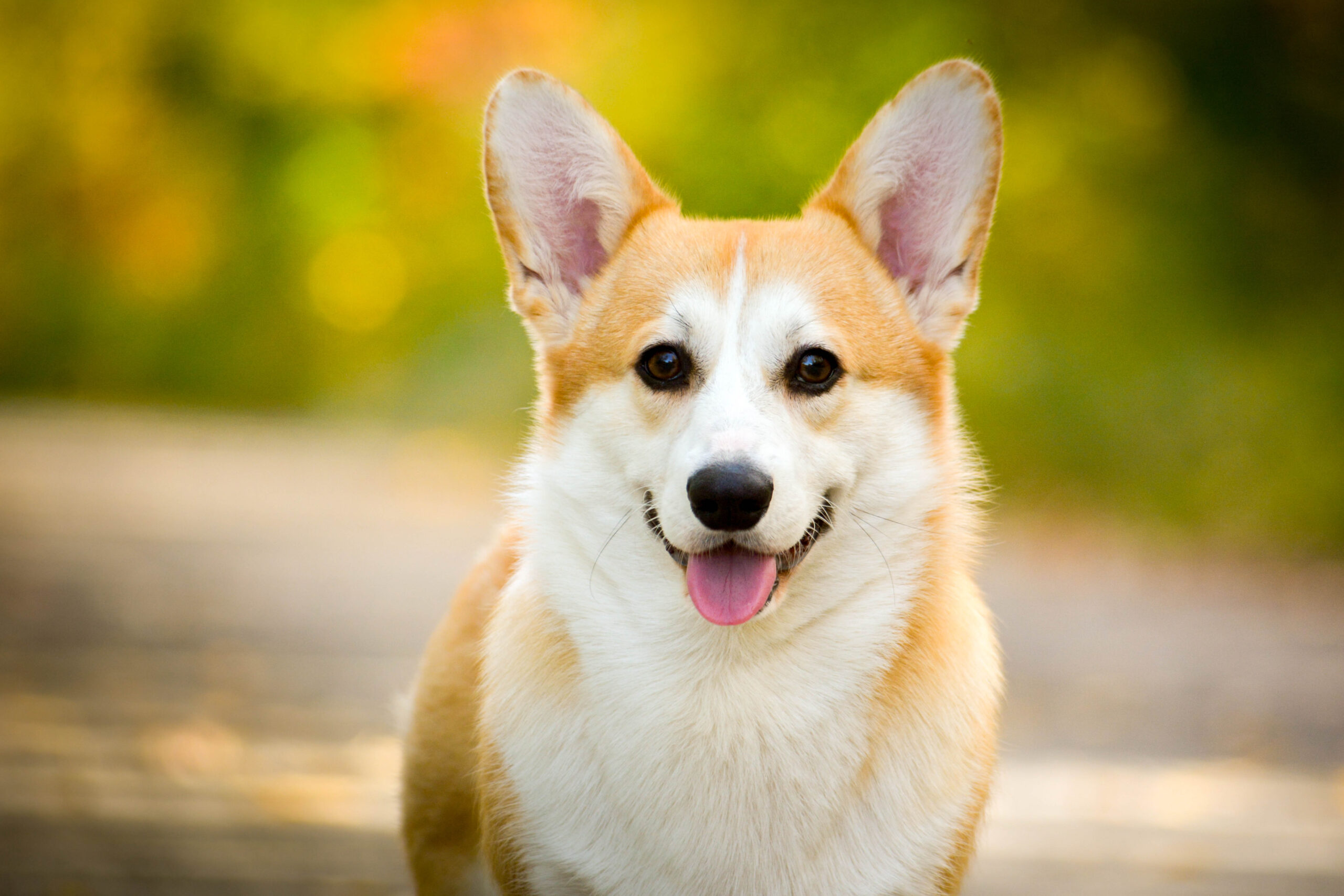
At one time, both Corgi breeds were shown as one, despite fanciers of each variety maintaining separation – Britain granted them separate breed status in 1934. The Pembroke is smaller and more foxy in appearance than its Cardigan cousin. It can be born tailless or be docked.
Temperament
Intelligent, charming and affectionate in nature, the Pembroke is alert and vigilant but kindly.
Activity Level
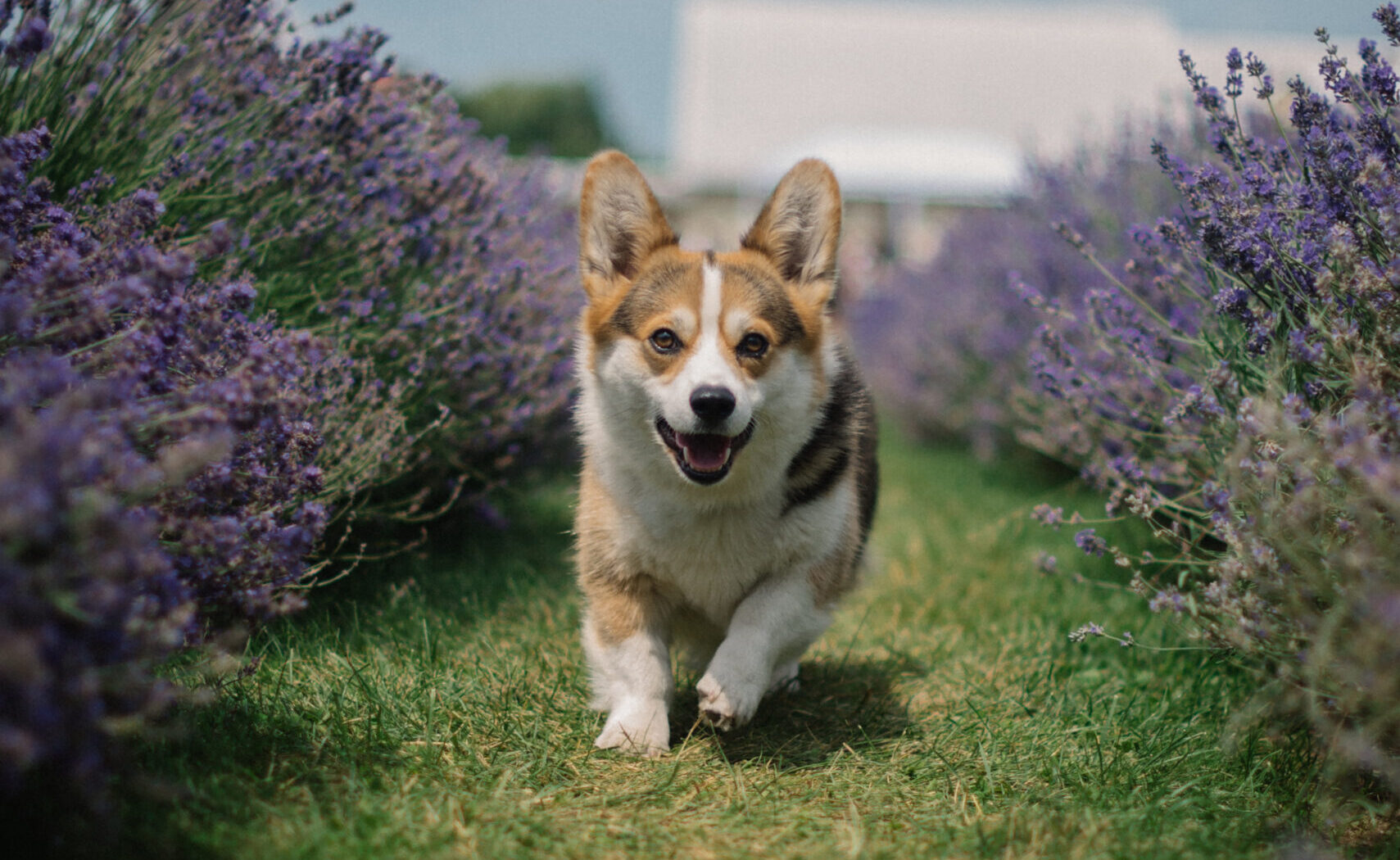
An active breed, it makes a fine family companion in any setting where it gets lots of outdoor exercise as befits a herding dog.
Coat
The thick, coarse outer coat is medium in length with a slightly thicker and longer ruff around the neck, chest and shoulders. The breed has a weather-resistant undercoat that sheds seasonally. It requires no trimming except to tidy the feet.
Colour
Grooming
Regular brushing keeps the coat shiny clean and helps to minimize seasonal shedding.
Caring for Pembroke Welsh Corgi
Training, Socialization & Breed Specific Traits
Owners of the PWC agree that shedding and their love of food leading to obesity are the primary challenges to owning this breed.
Health
The PWC is a relatively healthy breed but reputable breeders should screen for Hip Dysplasia and Eye abnormalities prior to breeding. Additional tests can also include vonWillebrands Disease and Degenerative Myelopathy. Intervertebral Disk Disease (IVDD) can also show up like in any achondroplastic breed. Maintaining proper weight and appropriate exercise can help to prevent many health issues.
Clubs
Pembroke Welsh Corgi Association (Canada)
Learn moreBreed standards outline the ideal characteristics, temperament, and appearance of a breed, and ensure that a dog can carry out its original purpose. They act as a blueprint for the ideal specimen and include size, weight, colour, coat, ear set, tail set, topline, feet, movement, temperament, structure, etc.
Pembroke Welsh Corgi Breed Standard