
Height
Male: 10 - 12 in
Female: 10 - 12 in
Weight
Male: 11 - 15 lbs
Female: 9 - 13 lbs
Life expectancy
10 - 15 years
Colours
White, White & Black & Tan markings, +2 more
Key Characteristics
General information
Origin
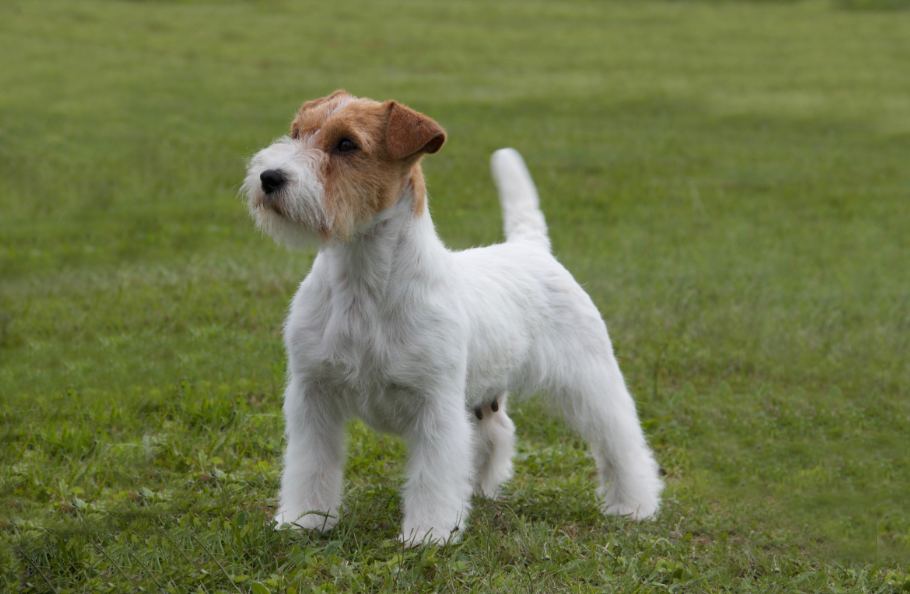
The Russell Terrier originated in England in the 19th century. Rev. John Russell, an avid fox hunter, wanted a feisty working dog that could hunt fox and go to ground to flush out fox and other prey. Over time two distinct breeds evolved – the tall and square Parson Russell Terrier and the shorter Russell Terrier with its distinctly rectangular shape. The body should be lithe and flexible to allow the Russell to maneuver underground. Today, the Russell Terrier is still utilized as a working terrier, in addition to its suitability as a lively companion.
Temperament
The Russell Terrier is an intelligent, active and spirited hunter. As with any terrier, proper socialization is key for a well-behaved companion.
Activity Level
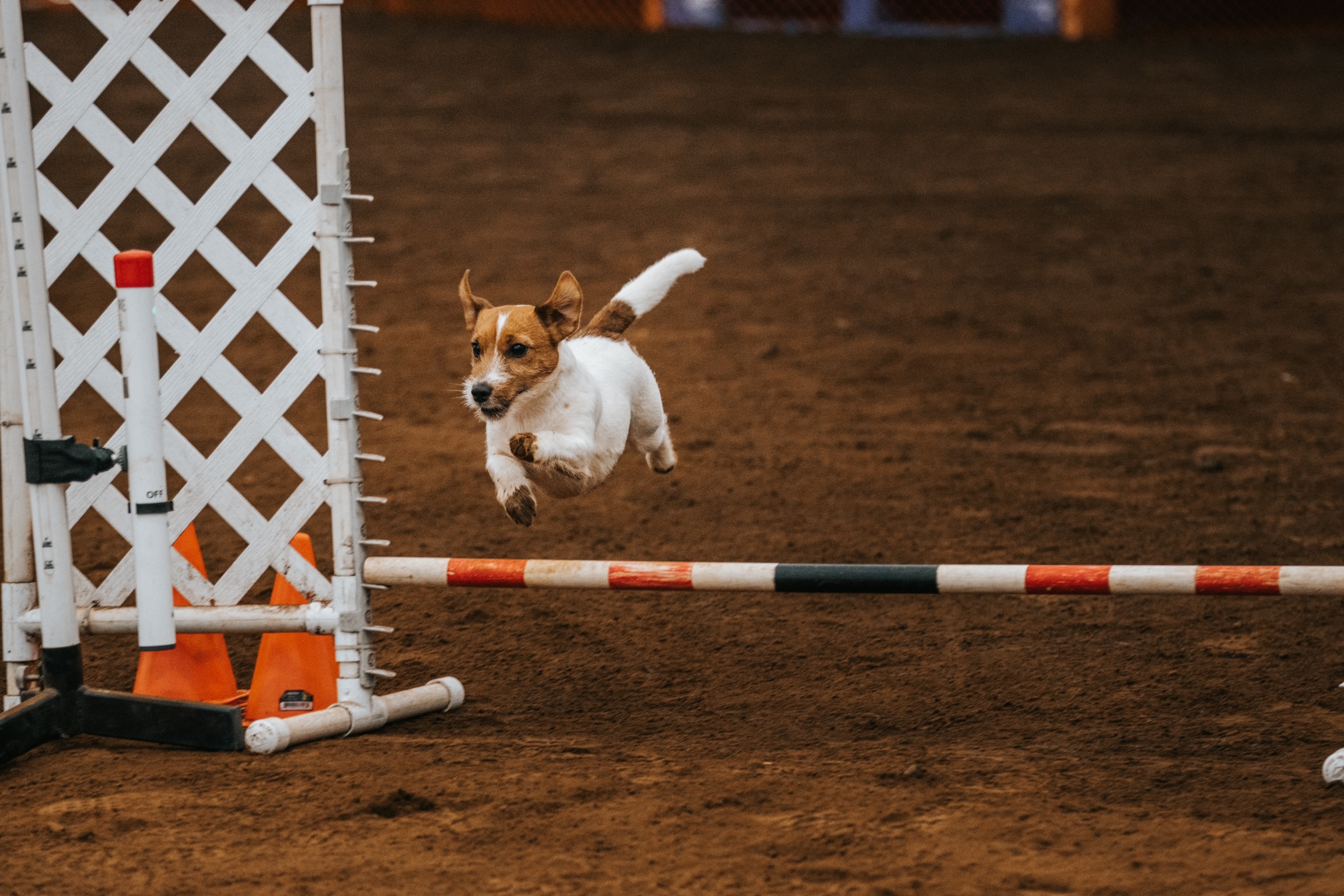
Bred to run with hounds and go to ground, the Russell Terrier possesses a vast amount of energy. Interesting activities like agility, obedience and den trials will help channel this dog’s boundless enthusiasm.
Coat
The coat may be smooth, broken or rough. All three coat types consist of an undercoat and a harsh and dense outer coat.
Colour
Grooming
Described by owners as the original “wash-and-wear” dog, the breed needs only a good brushing with a harsh brush or ‘terrier pad.’
Caring for Russell Terrier
Training, Socialization & Breed Specific Traits
Early socialization and consistent training are ideal. Introducing them to a variety of people, animals, and situations when they’re young helps ensure they grow into well-adjusted adults.
Health
Russell Terriers are generally healthy dogs, but like all breeds, they can be susceptible to certain health issues. Owners and potential buyers need to be aware of these concerns and consider appropriate health testing to identify or mitigate these conditions. Here are some health issues to be mindful of:
Patellar Luxation (PL): This condition occurs when the patella (kneecap) slides out of its normal position, leading to lameness or an abnormal gait. Patellar Luxation is common among small breeds. Screening can help identify the severity of the condition, and surgery may be recommended in some cases to correct it.
Primary Lens Luxation (PLL): PLL is a hereditary condition where the fibres that hold the eye’s lens in place break down, leading to lens displacement, which can cause blindness. DNA testing is available to identify carriers or dogs at risk of developing PLL.
Clubs
Breed standards outline the ideal characteristics, temperament, and appearance of a breed, and ensure that a dog can carry out its original purpose. They act as a blueprint for the ideal specimen and include size, weight, colour, coat, ear set, tail set, topline, feet, movement, temperament, structure, etc.
Russell Terrier Breed Standard