
Height
Male: 21 - 24 in
Female: 19 - 22 in
Weight
Male: 45 - 68 lbs
Female: 38 - 50 lbs
Life expectancy
10 - 14 years
Colours
Biscuit, Cream, White, White & biscuit, +1 more
Key Characteristics
General information
Origin
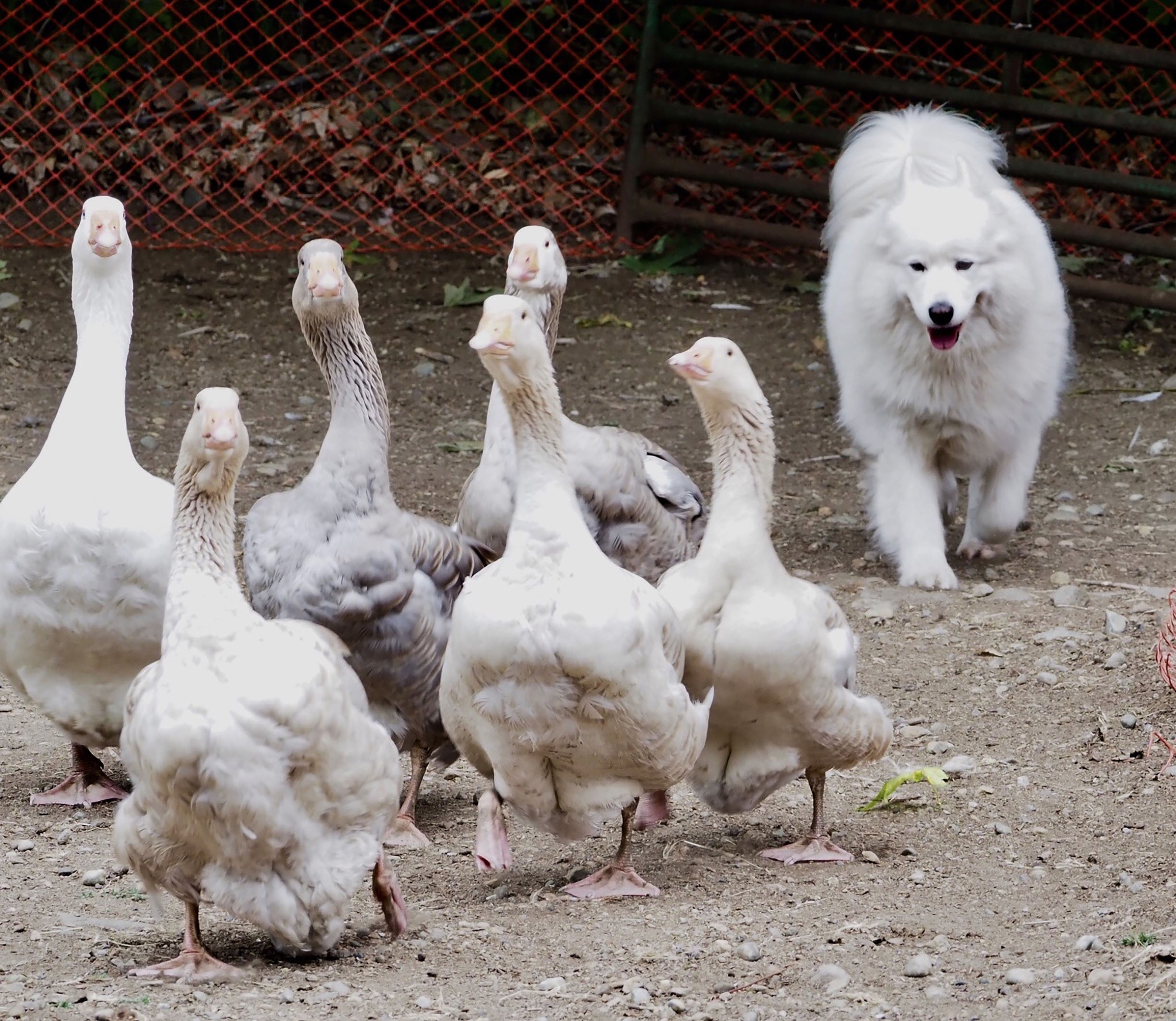
The Samoyed was bred and developed by the nomadic Samoyede peoples in northeast Siberia, north of the Arctic Circle. Samoyeds were valued for their versatility as sled, herding, guard, and companion dogs. Their importance to the Samoyede peoples, who depended largely upon their dogs for survival, meant they were regarded as members of the family, which contributed to the unique Samoyed disposition today. Unknown outside its homeland until the latter part of the 19th century, the breed was first introduced to Britain in 1889. Samoyeds have a place in history as the sled dogs often used by polar explorers. The first dog to set paw on the South Pole was a Samoyed, the lead dog of Roald Amundsen’s team, in 1911.
Temperament
Intelligent, gentle, loyal, adaptable, alert, full of action, eager to serve, friendly but conservative, not distrustful, or shy.
Activity Level
The strong and upstanding Samoyed is a sturdy, muscular dog who appreciates lots of supervised outdoor exercise.
Coat
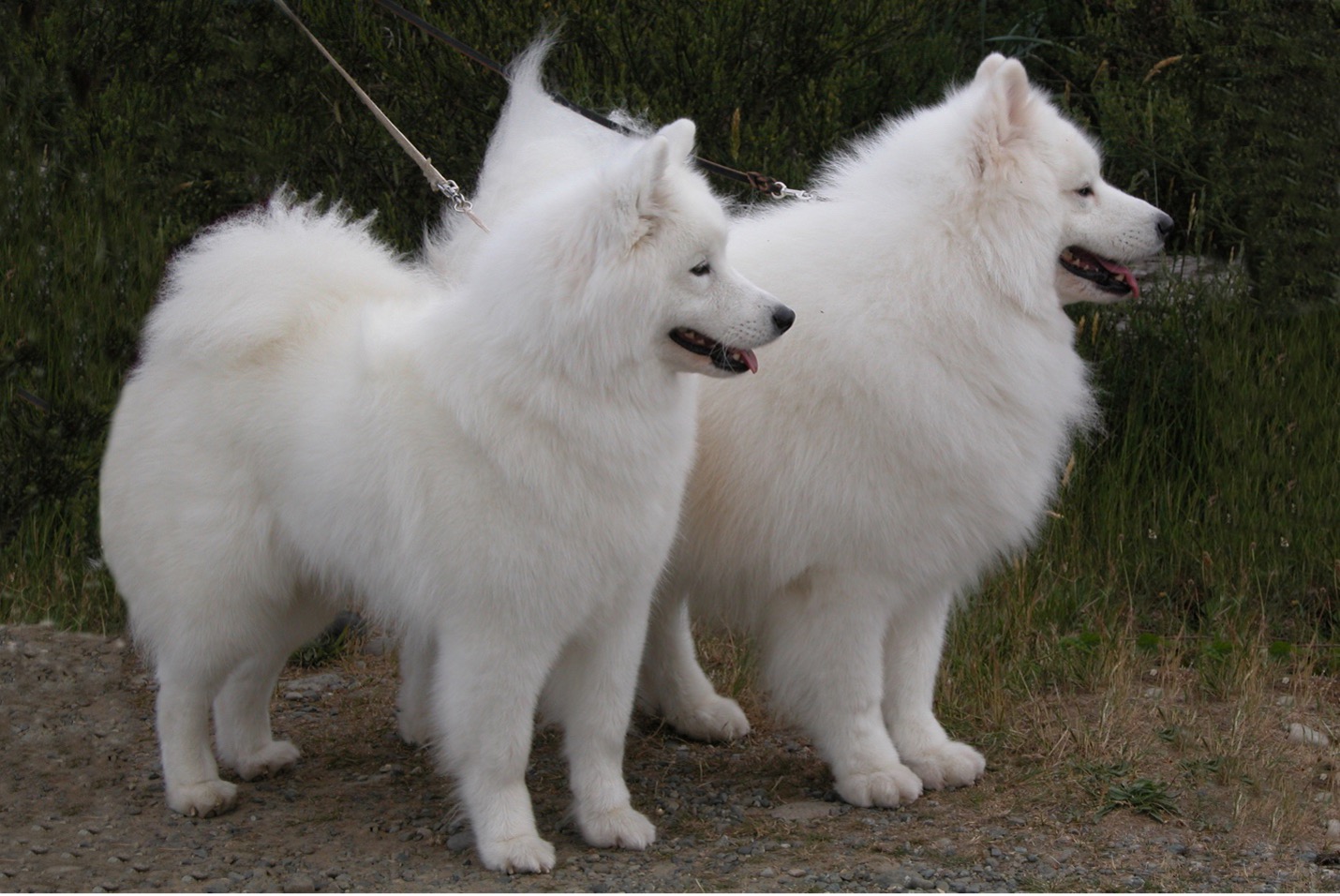
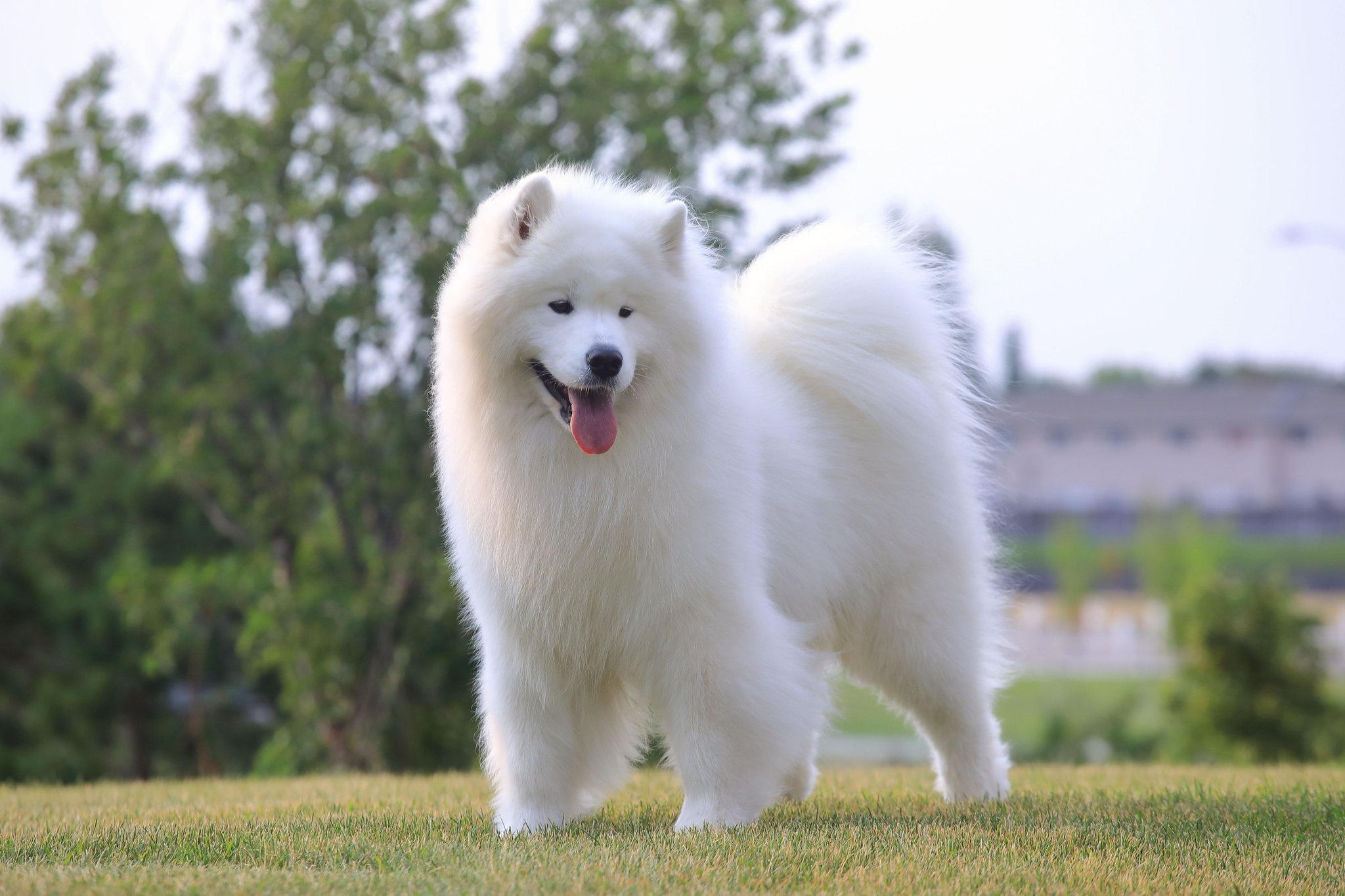
The glistening, stand-off coat has a harsh, straight outer coat growing through a thick, close, soft, short undercoat.
Colour
Grooming
The coat quality should make for easy maintenance and the Samoyed requires regular brushing, nail trimming and teeth brushing.
Caring for Samoyed
Training, Socialization & Breed Specific Traits
Samoyeds need companionship and to be part of the family and not left alone outside for long periods. Samoyeds do not respond well to repetition when training.
Health
Samoyeds are a generally healthy breed, but some may have inherited health issues with eyes, hips, teeth, bloat, and heart.
Clubs
Samoyed Association of Canada
Learn moreBreed standards outline the ideal characteristics, temperament, and appearance of a breed, and ensure that a dog can carry out its original purpose. They act as a blueprint for the ideal specimen and include size, weight, colour, coat, ear set, tail set, topline, feet, movement, temperament, structure, etc.
Samoyed Breed Standard