
Height
Male: 17 - 20 in
Female: 15 - 18 in
Weight
Male: 30 - 50 lbs
Female: 25 - 45 lbs
Life expectancy
12 - 14 years
Colours
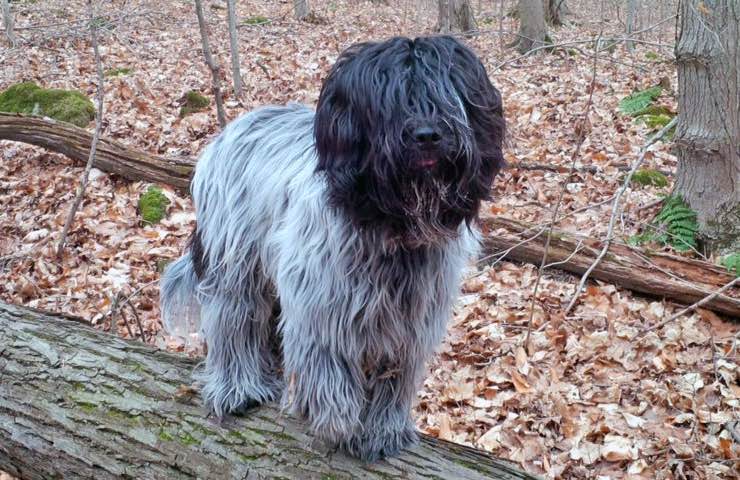
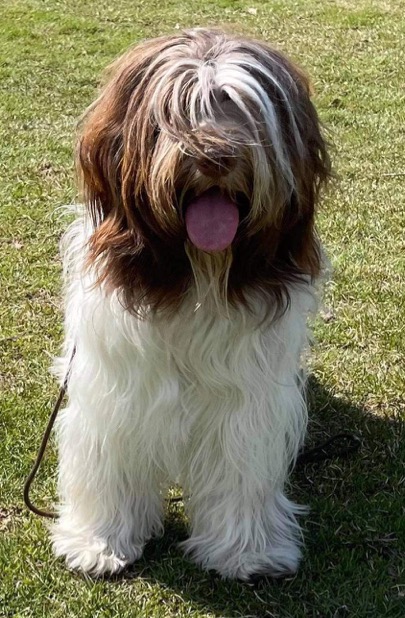
Black, Black & blue grey, Black & grey, +9 more
Key Characteristics
General information
Origin
The Schapendoes were established in the 1800s and could be found in the heathlands of the Netherlands wherever there were flocks of sheep. Shepherds valued the Schapendoes for its intelligence and the tireless pleasure it took in its work. The breed had appeared at agricultural shows but, for reasons unknown, virtually disappeared after that. During World War II, P.M.C. Toepoel, a canine authority, made an effort to re-establish the breed and bred from whatever specimens could be found. A breed club was formed in 1947, a standard set up in 1954 and recognition followed in 1971. The shaggy, lightly boned Schapendoes is related to the Bearded Collie, Puli, Polish Owczarek Nizinny, Briard and Bergamasco.
Temperament
The Schapendoes is jolly, lively, friendly and high-spirited. He is intelligent and quite ready to act on his own.
Activity Level
In his work, the Schapendoes gallops rather than trots. He is equipped with great endurance, mobility and speed, as well as a tremendous facility for jumping. Like most herding breeds, he requires and enjoys a fair amount of outdoor exercise.
Coat
The thick, medium-length coat is lightly waved and about 3 in (7.5 cm) long. The dense hair is fine and dry. There is a soft undercoat. The Schapendoes sports a topknot, moustache and beard.
Colour
Grooming
Weekly brushing is required to remove matts from hair.
Caring for Schapendoes
Training, Socialization & Breed Specific Traits
The care of the Schapendoes is mainly about skin care. Regular combing with a wide tooth comb, so the tangles and other impurities are removed but not all the undercoat is combed out. It is important because the undercoat provides insulation, even in extremely hot weather. During the summer their coat is always thinner than the winter.
Health
The Schapendoes is an extremely hardy dog. They are not prone to any hereditary health issues. Their average life span is around 14 years. As a rarer breed, both the National and International breeding community take great care in protecting the breed.
Clubs
Schapendoes Club Of Canada
Learn moreBreed standards outline the ideal characteristics, temperament, and appearance of a breed, and ensure that a dog can carry out its original purpose. They act as a blueprint for the ideal specimen and include size, weight, colour, coat, ear set, tail set, topline, feet, movement, temperament, structure, etc.
Schapendoes Breed Standard