
Height
Male: 12 - 16 in
Female: 10 - 14 in
Weight
Male: 12 - 22 lbs
Female: 10 - 18 lbs
Life expectancy
10 - 15 years
Colours
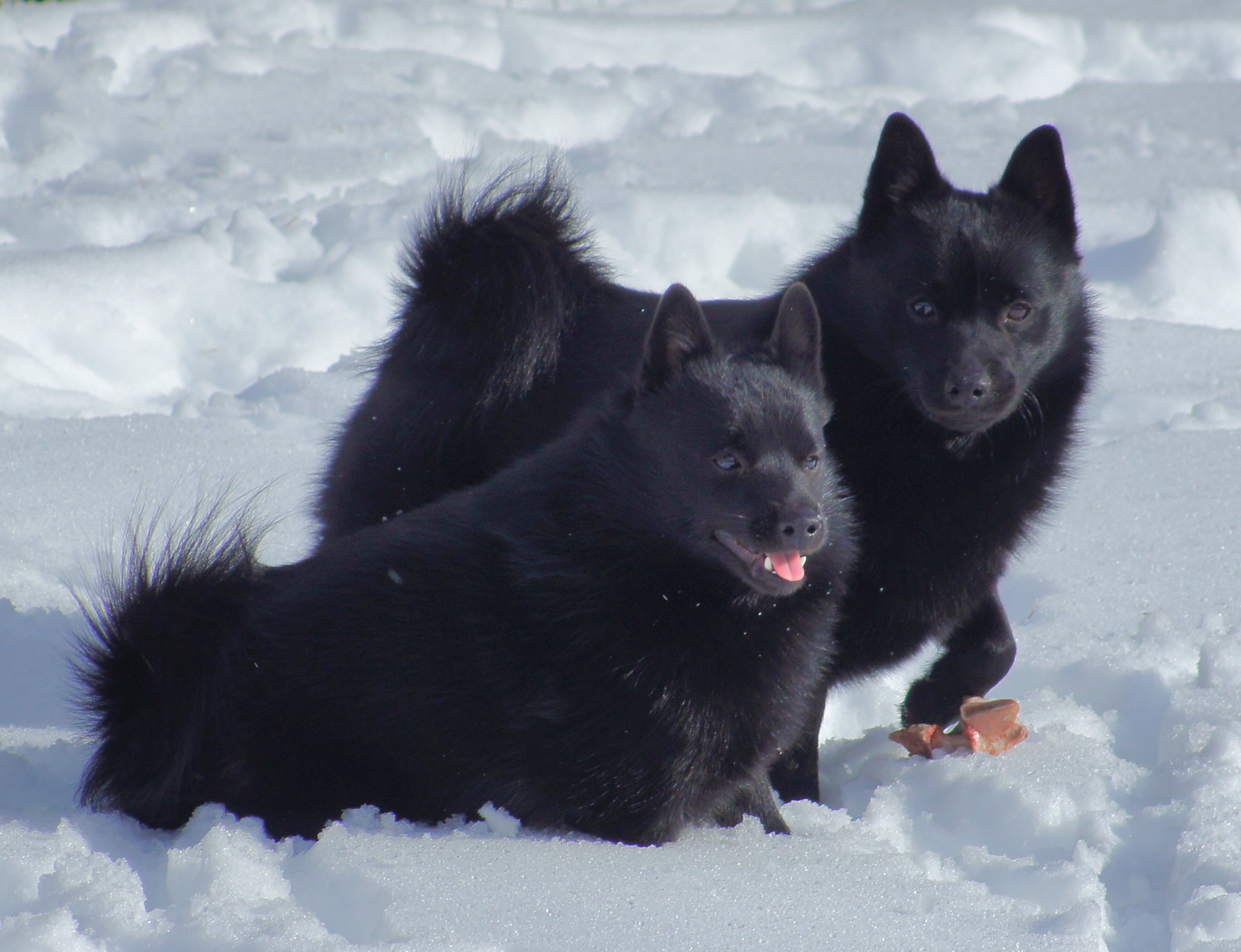
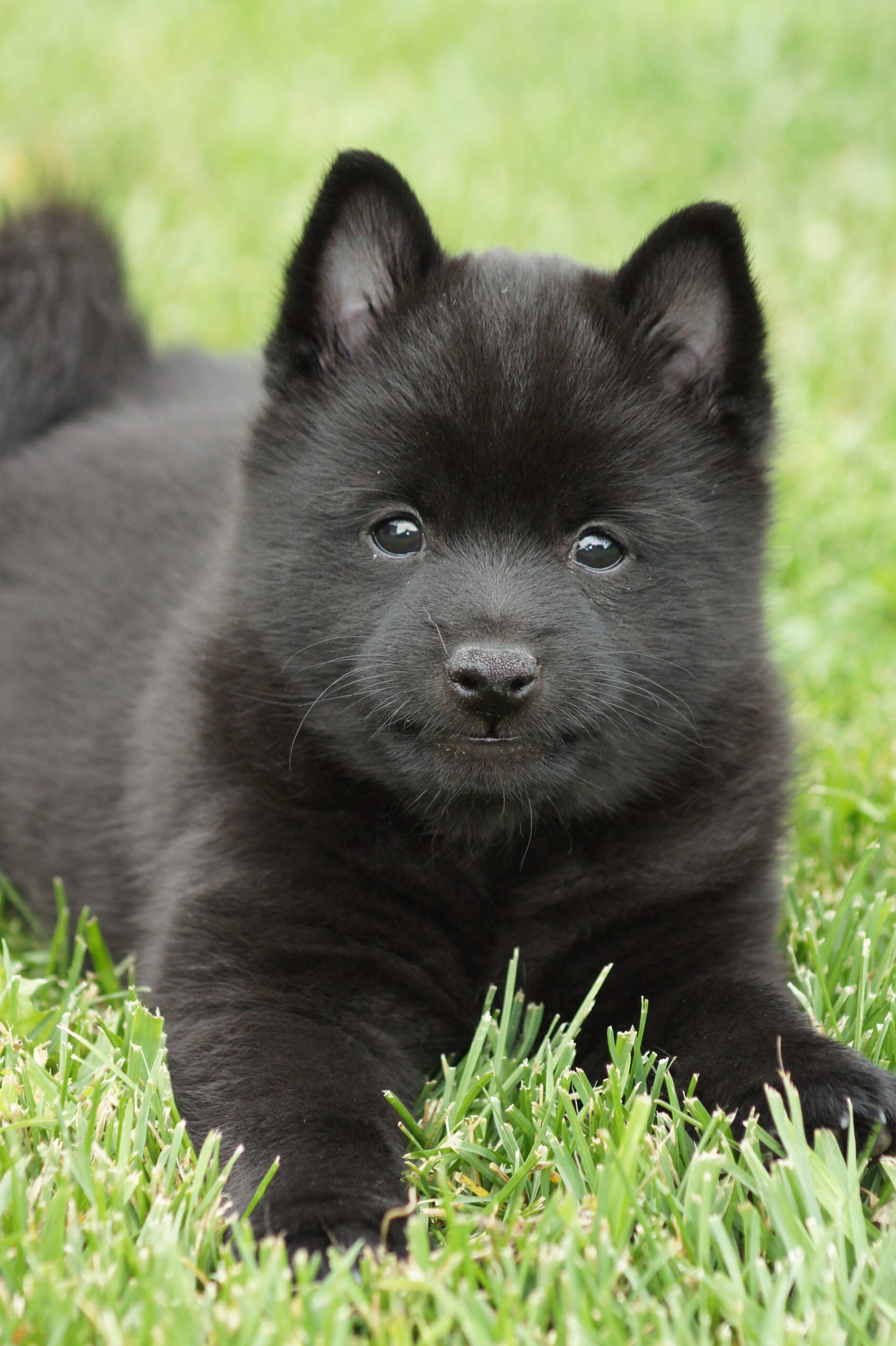
Black, Cream, Gold
Key Characteristics
General information
Origin
The Schipperke has been known for over 400 years in Belgium. The Schipperke pronounced ‘Skipper-key’ was a dog kept by the common people. Traditionally companions and house dogs the Schip was first exhibited in 1690. Having history as Sheep dogs and Barge dogs it is also believed that they have common background with the Spitz breeds.
Temperament
Bright, active, inquisitive, fond of children, a fine family pet, excellent watchdog, quiet unless alarmed. Schips have an independent streak but are intelligent, highly trainable and excel in obedience, agility, tracking, scent work. A big dog in a small package.
Activity Level
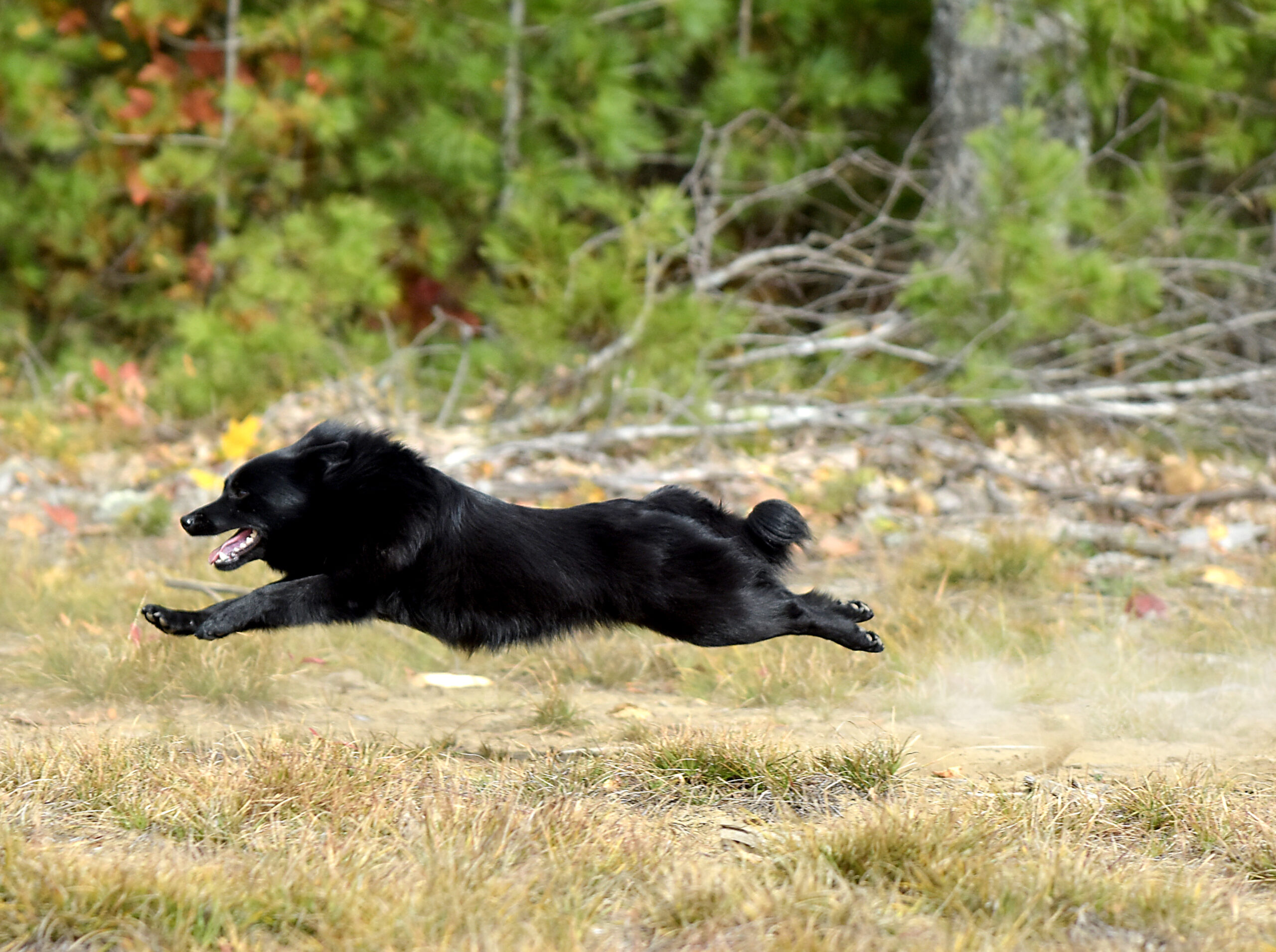
Playful and hardy, the Schip requires moderate outdoor exercise and is well suited to most accommodation. He is athletic and strong, capable of hiking long distances, within reason.
Coat
The coat is shiny, slightly harsh and double with a dense undercoat. Though short on the ears, the front of the legs and hocks, the coat is longer around the neck past the shoulder down the chest, forming a distinctive ruff & cape and hind leg culottes.
Colour
Grooming
Schipperkes are seasonal shedders. The breed needs regular brushing but no special grooming. The coat is easily cared for, naturally clean and odour free, and does not knot. It is not trimmed in any way.
Caring for Schipperke
Training, Socialization & Breed Specific Traits
The Schip is a challenging but rewarding breed. They require stimulation and activity. The Schip is an alerting breed and some can be can be very vocal.
Health
Epilepsy, Hypothyroidism, Mucopolysaccharidosis type IIIB (MPS IIIB), Progressive retinal atrophy (PRA) are health conditions some Schipperkes are affected by. Responsible breeders perform the necessary testing to ensure they are not breeding dogs that could be affected by these conditions.
Clubs
Schipperke Club Of Canada
Learn moreBreed standards outline the ideal characteristics, temperament, and appearance of a breed, and ensure that a dog can carry out its original purpose. They act as a blueprint for the ideal specimen and include size, weight, colour, coat, ear set, tail set, topline, feet, movement, temperament, structure, etc.
Schipperke Breed Standard