
Colours
Blue grey, Brindle, Dark blue grey, Dark grey, +3 more
Key Characteristics
General information
Origin
The Deerhound evolved as a northern type of British greyhound, known in the 1700s as Highland/rough Scotch greyhounds. Developed by Scottish landowners to exclusively course and kill Red deer, accurate firearms almost spelled the end of the breed. The writings of Scott, the patronage of Queen Victoria who was gifted her first at age 16, the paintings of Sir Edwin Landseer and the start of dog shows in 1860 ensured Deerhounds are with us today.
Temperament
The Scottish Deerhound as an adult (3-4 years) is quiet and dignified, keen and alert. Slow to mature, but easily trained, the Deerhound is an independent thinker but once bonded is dependably loyal and devoted to its owner.
Activity Level
Though calm and aristocratic as a mature adult (3-4 years), the Deerhound is a coursing breed possessing great strength and speed. Puppies need lots of off-lead outdoor exercise and adults need daily exercise and a safe place to stretch their long limbs for a long happy life.
Coat
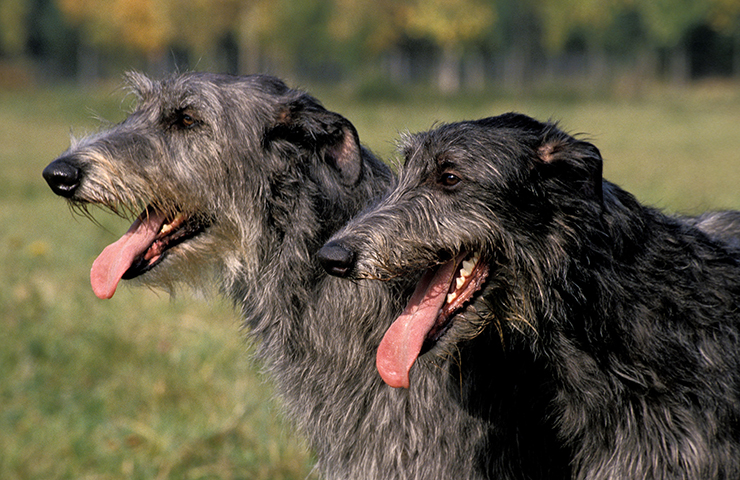
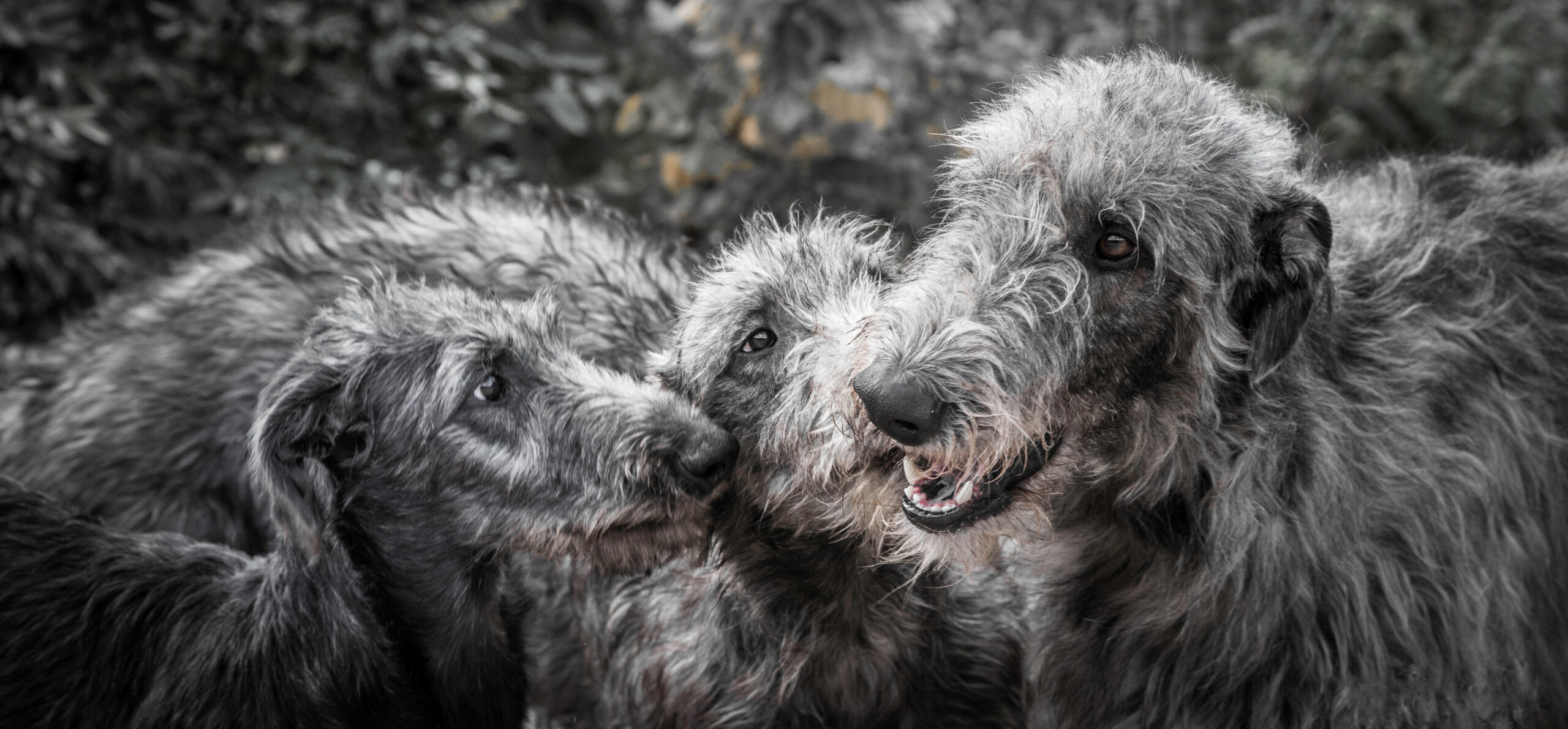
The coat is harsh and wiry about three to four inches in length as an adult.
Colour
Grooming
A correct coat requires moderate care such as weekly brushing.
Caring for Scottish Deerhound
Training, Socialization & Breed Specific Traits
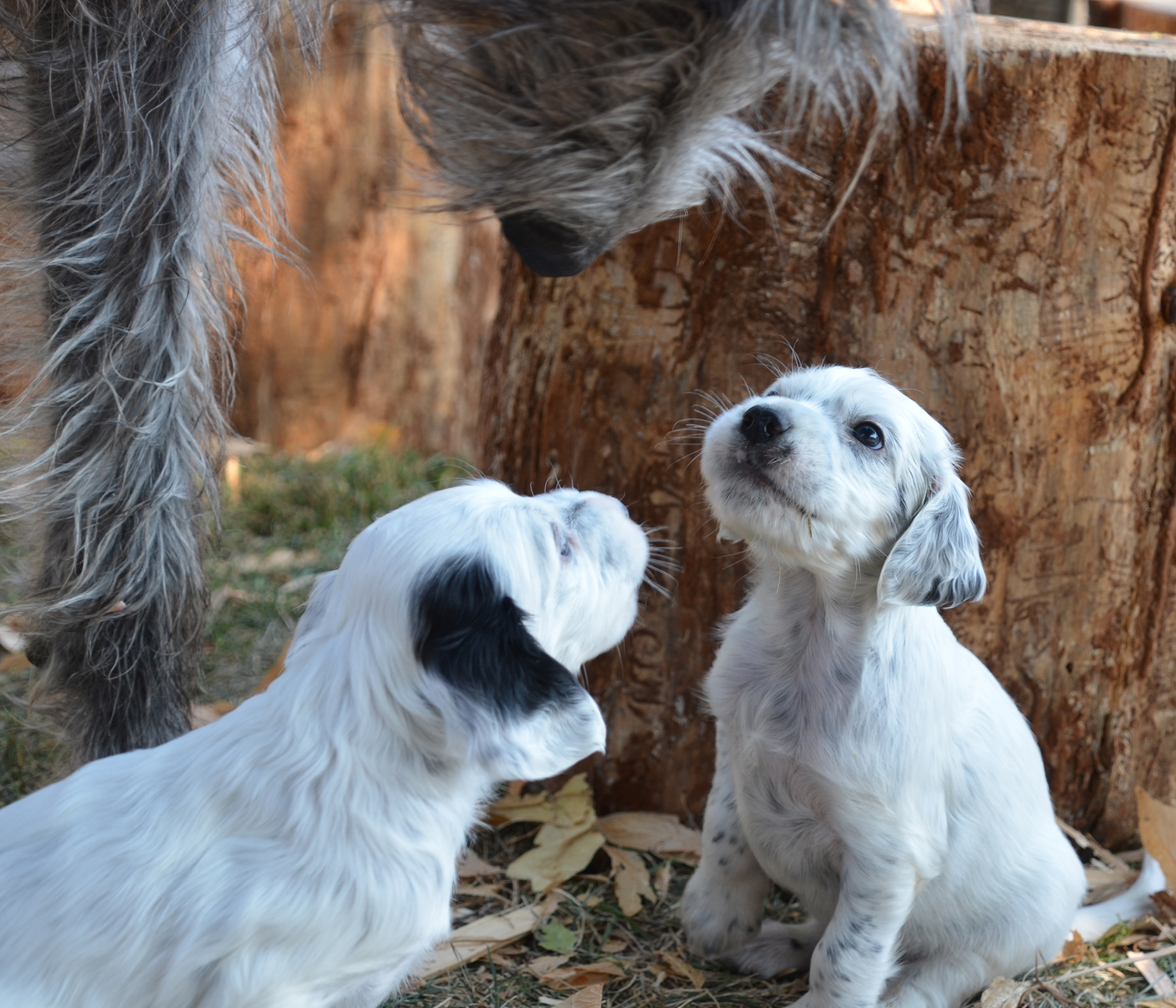
A Deerhound puppy needs lots of gentle human companionship, exercise, & proper nutrition. Deerhounds are sensitive and respond best to positive-training methods. They should not be kenneled or left in a crate while their people go to work. All Deerhounds need the opportunity to run off-lead in a safe place each day preferably with a tough playmate
Health
True lifespan for Deerhounds based on breed surveys are 8.3 for males and 9.8 years for females. Heart disease, particularly Dilated Cardiomyopathy (DCM), cancer (mainly osteosarcoma) and old age in that order kill our Deerhounds. Torsion (gastric dilatation volvulus (GDV), a health issue that runs a close third (discounting “old age”) after heart and cancer. Cystinuria is an issue in males. Testing that should be done when the pup is young is serum bile acid, (a check for liver shunt) and clotting factor (a check for bleeding disorder). Further testing should include a cardiac exam by a board-certified cardiologist, which includes an echocardiogram using Deerhound norms. Testing is also recommended for two genetic blood clotting disorders: Factor VII and DEPOH (Delayed Post-operative Hemorrhage).
Vets need to be aware that Deerhounds have breed specific cardiac norms and sensitivity to types of anesthetics (slow metabolism and hyperthermia).
Clubs
Breed standards outline the ideal characteristics, temperament, and appearance of a breed, and ensure that a dog can carry out its original purpose. They act as a blueprint for the ideal specimen and include size, weight, colour, coat, ear set, tail set, topline, feet, movement, temperament, structure, etc.
Scottish Deerhound Breed Standard