
Height
Male: 13 - 16 in
Female: 13 - 16 in
Weight
Male: 18 - 25 lbs
Female: 18 - 25 lbs
Life expectancy
8 - 15 years
Colours
Black & tan, Black & white, +12 more
Key Characteristics
General information
Origin
The Shetland Sheepdog originated in the rugged and sparsely vegetated Shetland Islands off the northeast coast of Scotland. There, the harsh environment favoured smaller livestock and it followed that smaller dogs would be able to control them. The Shetland Sheepdog, like the Collie, traces to the Border Collie of Scotland which, transported to the Shetland Islands and crossed with small, intelligent, long-haired breeds, was reduced to miniature proportions.
Early Shelties were unremarkable in appearance but when some were taken to the mainland and caught the eye of dog enthusiasts, they were crossbred to Toy breeds and small Collies. These crosses helped to develop a consistent look in the breed and in 1906 they were first exhibited at Crufts Dog Show in London under the name Shetland Collie. The breed was renamed the Shetland Sheepdog to provide distinction from Collies ensuring the Sheltie was recognized as an individual breed.
Temperament
Intensely loyal, affectionate, and responsive, Shelties rank high in its strong desire to please. With their intelligence and understanding, as quick learners they have become one of the foremost breeds to train and compete across all canine events.
Activity Level
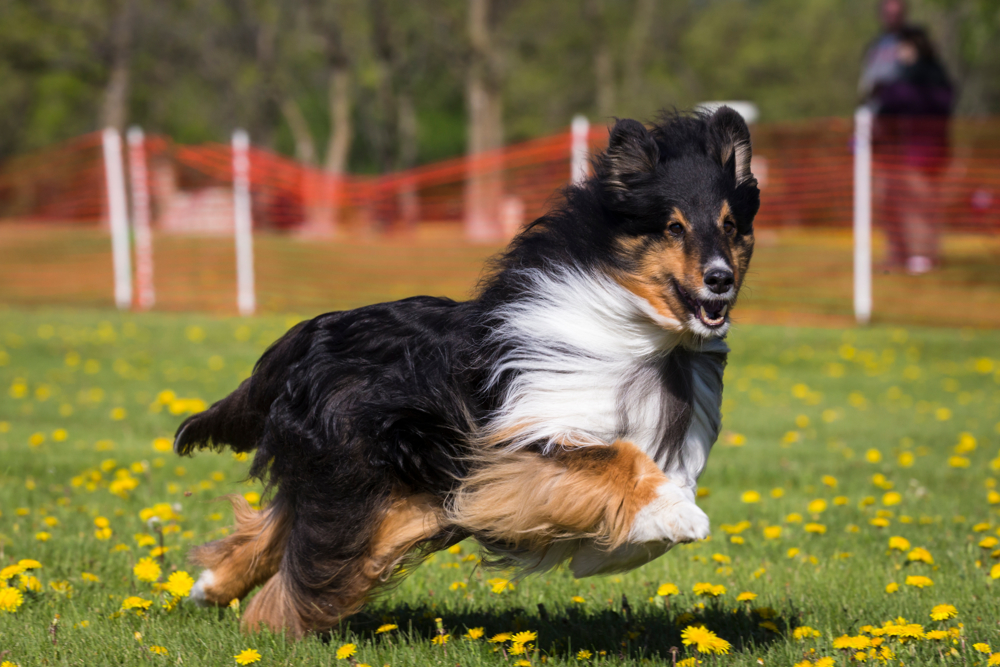
Alert, agile and sturdy, the Sheltie is a busy, active dog that enjoys a challenge. Their small size makes them adaptable to almost any size living quarters and their exercise needs are easily met with a daily walk.
Coat
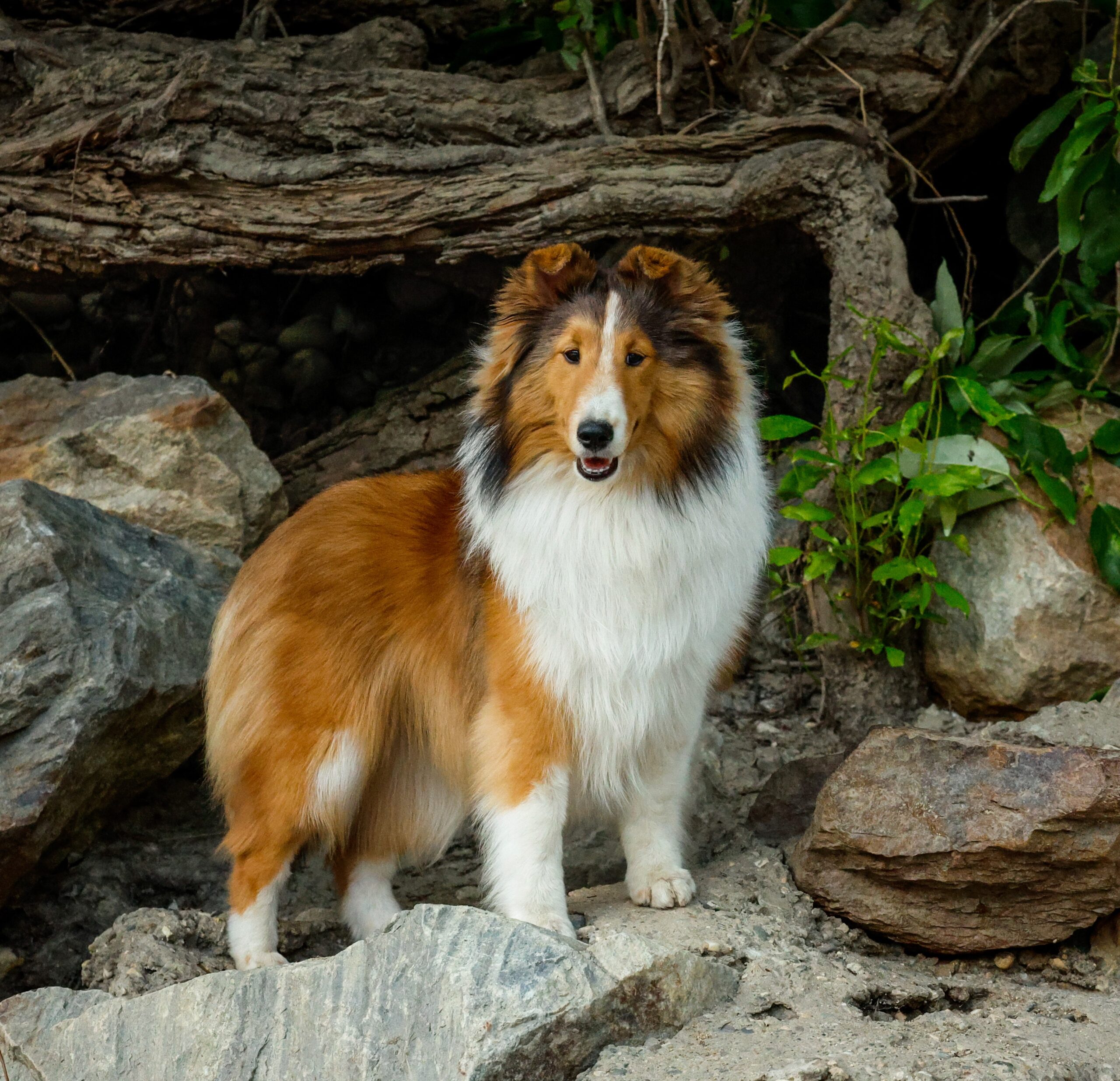
The outer coat is made up of long, straight, harsh hair. The undercoat is furry and so dense it gives the entire coat a ‘stand-off’ quality. On the face, tips of ears and feet, the coat is short and smooth.
Colour
Grooming
Regular, thorough brushing is needed to keep the coat free of mats.
Caring for Shetland Sheepdog
Training, Socialization & Breed Specific Traits
Shelties like to learn so keep them engaged with a variety of exercise activities and training in changing environments. This will help balance energy levels and provide much needed socialization. Frequent, thorough brushing is necessary to help maintain their coat and help reduce shedding. Many owners plan regular visits to professional groomers.
Health
Shelties generally live a long, healthy life. Many breeders screen for conditions such as hip dysplasia, eye diseases, dermatomyositis, Canine von Willebrand Disease (vWD) & Multidrug Resistance1 (MDR1), even though these conditions are not common.
Clubs
Canadian Shetland Sheepdog Association (CSSA Fanciers Inc.)
Learn moreBreed standards outline the ideal characteristics, temperament, and appearance of a breed, and ensure that a dog can carry out its original purpose. They act as a blueprint for the ideal specimen and include size, weight, colour, coat, ear set, tail set, topline, feet, movement, temperament, structure, etc.
Shetland Sheepdog Breed Standard