
Life expectancy
10 - 15 years
Colours
Beige, Black, Black & brown, +45 more
Key Characteristics
General information
Origin
The Shih Tzu is believed to trace its ancestry back to the temple dogs of Tibet, which had been bred in that country for over 2,000 years. Contact between the rulers of Tibet and China led to several of these dogs being presented as gifts of esteem to Chinese royalty. There, the Lhasa-like dogs were crossed with resident Pekingese to produce the breed we now call the Shih Tzu, meaning “lion dog” in Chinese. The Shih Tzu lived a life of luxury as a pampered palace pet and was not seen outside the court until 1912 when China became a republic. On a visit to China in 1920, General Sir Douglas and Lady Brownrigg saw the breed and brought a pair back to Britain where the Shih Tzu quickly caught the public fancy.
Temperament
The role of companion and housepet is the sole purpose of the Shih Tzu. Therefore, the personality is outgoing, affectionate, happy and friendly. Intelligent and easy going, the breed readily attracts admirers.
Activity Level
This alert and lively dog carries itself with a distinctly arrogant air. Though the Shih Tzu enjoys a good walk, it does not require an excessive amount of exercise and adapts well to apartment dwelling.
Coat
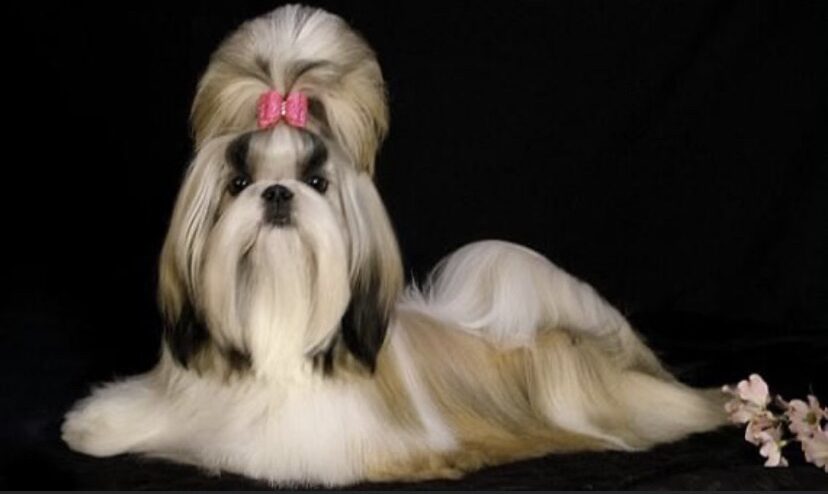
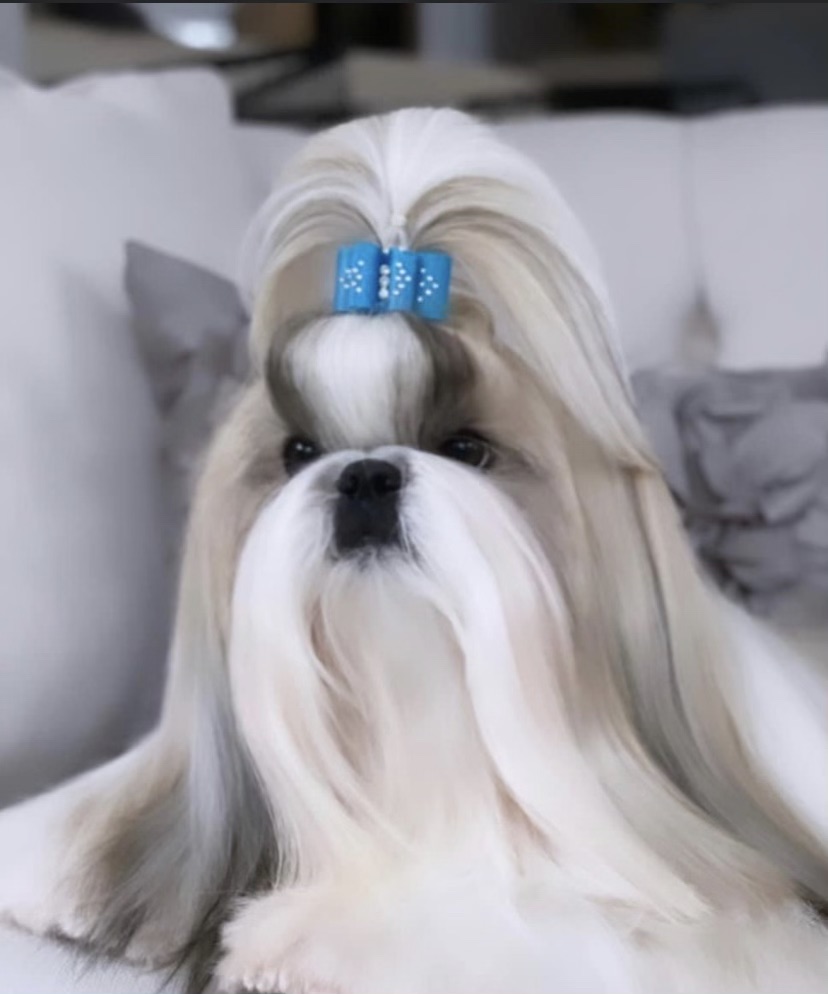
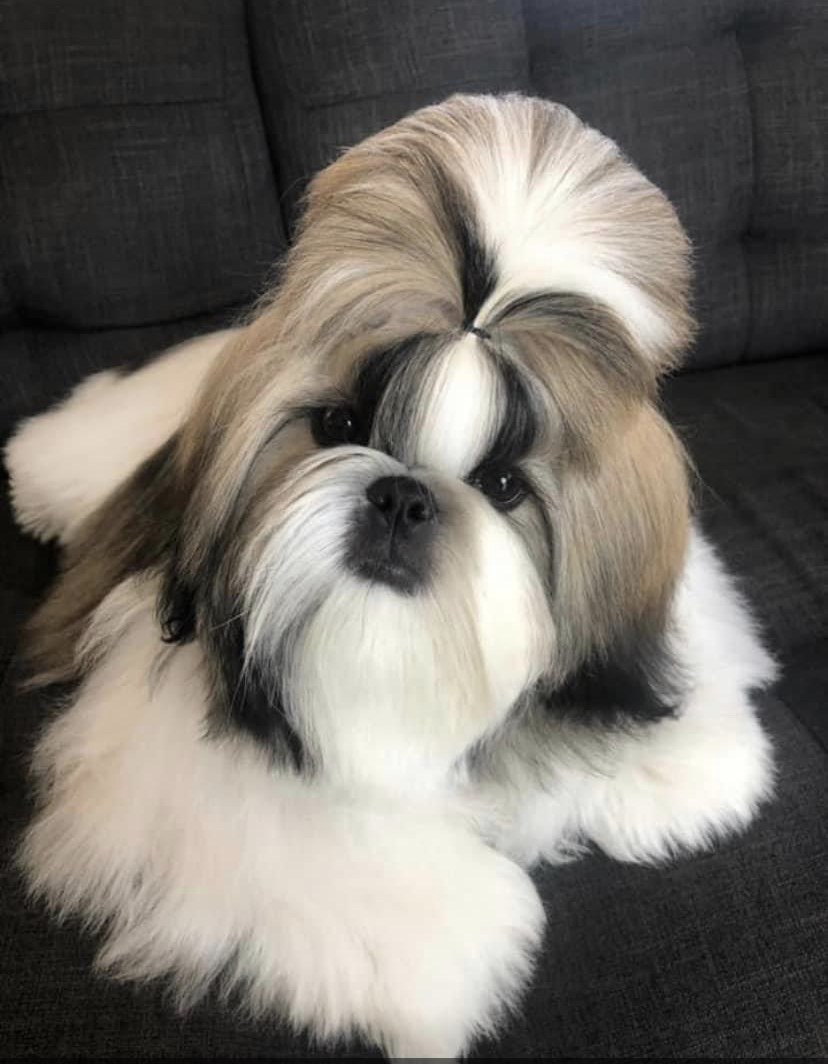
The coat is dense, long and flowing. There is also a soft undercoat.
Colour
Grooming
Where Shih Tzu are a non shedding breed, they do require regular grooming. Professional grooming every 6-8 weeks is recommended.
Caring for Shih Tzu
Health
Recommended but not Compulsory OFA Eye Certification be performed on all breeding stock.
Clubs
Canadian Shih Tzu Club
Learn moreBreed standards outline the ideal characteristics, temperament, and appearance of a breed, and ensure that a dog can carry out its original purpose. They act as a blueprint for the ideal specimen and include size, weight, colour, coat, ear set, tail set, topline, feet, movement, temperament, structure, etc.
Shih Tzu Breed Standard