
Things to Consider
Things to consider
Before bringing a dog into your life, carefully think about your time, lifestyle, home, and the long-term commitment required to ensure the right fit for both you and your new puppy.
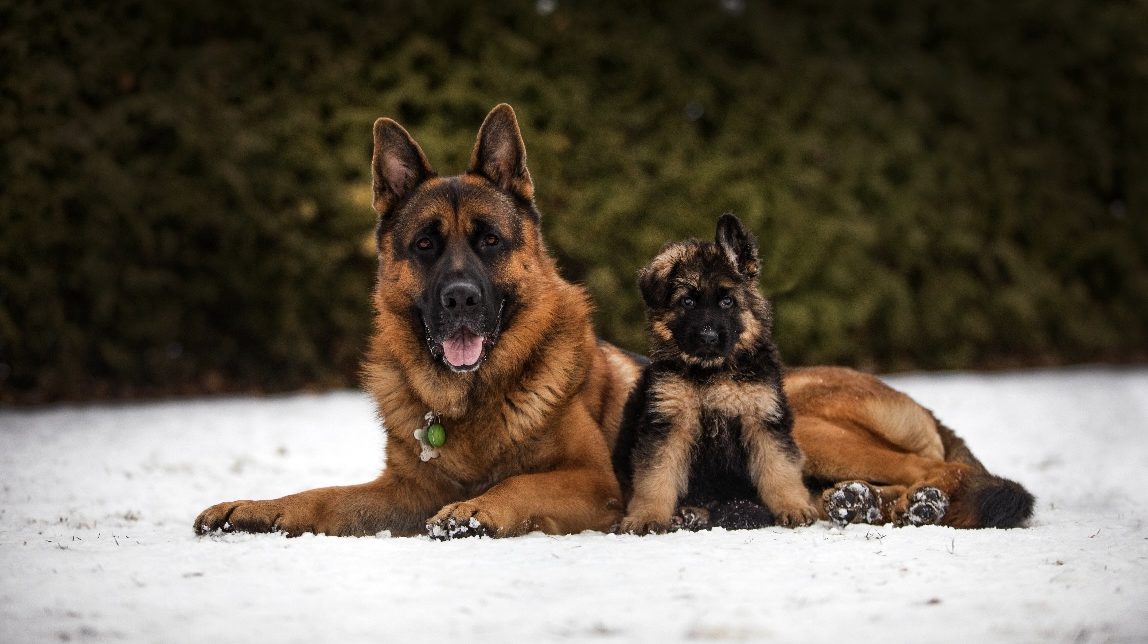
How much time does a puppy need?
All dogs need loving care and attention; puppies even more so! From the time you bring the new addition home, they’ll need consistent monitoring, housebreaking, exercise, obedience training, socialization… the list is long and time-consuming. It isn’t right to leave a young animal unattended for hours at a time, day after day. Puppies need regular handling and contact with others, both dog and human; they can get into all sorts of trouble if left on their own. You must be ready to commit at least 10 years of your life to another completely dependent being. If you want to make it work, there are a variety of options. Does your job enable you to take a dog to work? Can you work from home, or rearrange shifts to accommodate a dog? You can also ask local dog owners for their dog walkers or doggy daycare recommendations.
How can I ensure my puppy is healthy?
All breeds have predispositions to potential health issues (including mixed breeds!). Part of the value of a reputable breeder is their commitment to carrying out all the health testing recommended by their breed club to reduce the chances of their puppies developing genetic health concerns. Health issues run the gamut from seasonal allergies to life-shortening disorders, so it pays to make yourself familiar with the conditions in your chosen breed. Talk to owners and veterinarians. Learn which are the relevant health tests and ask breeders to provide proof of their completion. Breeders who have been successful in eliminating or reducing problematic conditions are proud to share their efforts.
What if I don’t get to choose my own puppy?
Some breeders allow owners to be part of choosing their own puppy from a litter; others make the choices themselves from their deep knowledge of individual personalities, energy, and drive levels. Many breeders will also use independent temperament testing to confirm which puppy will thrive in which home.
Why are registration papers for my dog so important?
Registration papers are like a birth certificate; they tell you who your dog is, who the parents are, and where the dog comes from. Whether the papers are issued by the Canadian Kennel Club, American Kennel Club or from abroad, a certified pedigree tells you everything you might want to know, including the assurance that will come from knowing your dog is purebred. Many countries also indicate health clearances and titles acquired by your dog’s forebears.
I talked to a breeder and they told me I have to be added to a waiting list. Does this usually happen?
Chances are that the best breeders have waiting lists; how long those wait times may be depends on many factors. If you decide on a less common breed with small litters, you’ll have to decide whether you’re willing to wait. Think of it as an opportunity to get to know your breeder and better familiarize yourself with the breed. Check out some dog shows, visit obedience classes, and be prepared to experience a whole new world!
Why is the breeder asking me so many questions?
If you think you’re being asked a lot of questions by breeders, you’re probably right. For every question you have, it is likely they’ll have two. They’re not trying to be difficult; they’re just making sure their breed is the right one for you. When you’re advised to fence your yard to keep your dog in your yard or spay/neuter your pet to keep them healthy, remember that this is done out of concern for everyone’s well-being.
What happens if I can’t keep the dog?
Life happens and there are many reasons why people have to give their dog . Should you find yourself in a position where you need to give up your dog, a strong relationship with your breeder will really pay off. Don’t be ashamed or embarrassed to ask for advice or assistance. A great breeder doesn’t turn his or her back on you when you walk out their door. Their responsibility to the animals they breed lasts a lifetime, and they will be your first line of defence if you need help