Get In Touch

Entrer en contact

Membership Plus Toll Free

Adhésion Plus – sans frais

Order Desk

Bureau des commandes

Your Club is Here to Help!

Besoin d’aide? Le Club est à votre disposition.

If you’ve lost registration paperwork or certificates due to circumstances out of your control (fires, floods, etc.), please reach out to us using one of the above methods and we can help replace your important documents.

Canada’s Top 10 Most Popular Breeds in 2025

March 11, 2026
Each year, the Canadian Kennel Club compiles national registration data to determine the most popular purebred dog breeds in Canada.

This year’s rankings highlight a remarkable milestone. The Labrador Retriever has now been Canada’s most popular dog breed for 32 consecutive years, reflecting the breed’s enduring appeal among Canadian families.

From sporting dogs that thrive outdoors to devoted companions who rarely leave your side, this year’s Top 10 showcases the remarkable diversity of purebred dogs across the country.
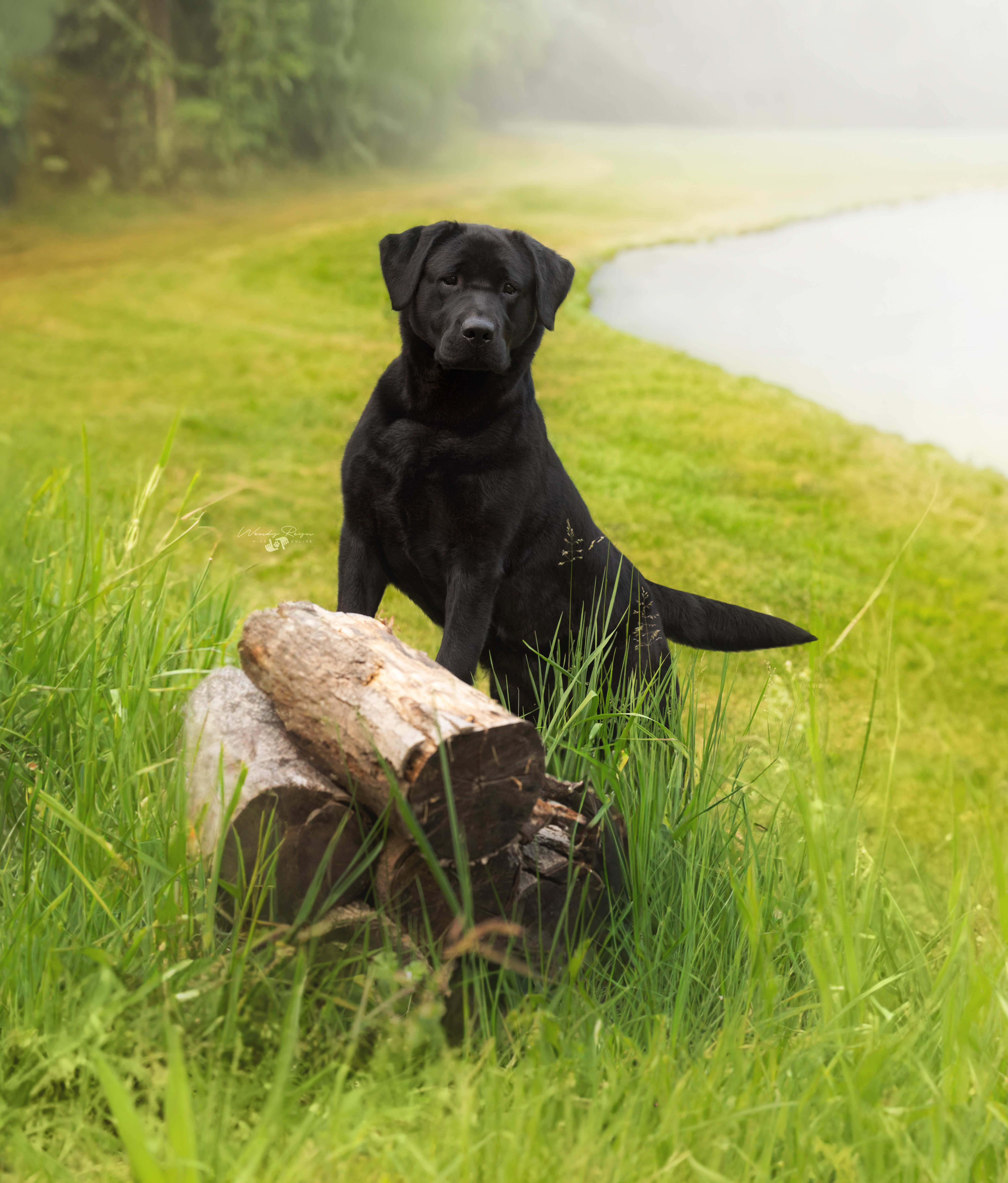
 
300-dpi-01-Labrador__Retriever_0328179_MARY-ANNE_LAUZON_8da95d4d-0e21-43a7-8dd1-f60b8f1a25a4.jpg #1 Labrador Retriever

Year after year, the Labrador Retriever continues to lead the pack.

Descended from dogs brought to Newfoundland by early settlers and fishermen, the Labrador earned its reputation retrieving fish and game in harsh coastal conditions. Today, the breed’s versatility remains unmatched. Labradors serve as guide dogs, excel in field work and performance sports, and are beloved family companions.

They enjoy outdoor exercise, especially swimming, and benefit from regular brushing to manage shedding. Friendly, adaptable and eager to please, it’s no surprise the Labrador remains Canada’s most registered breed.
300-dpi_02-Golden__Retriever_4517145_Stephanie_Gunby_14611a45-fa61-42c3-a877-ffc62aa74376-1.jpg

#2 Golden Retriever

Developed in the mid-19th century by Sir Dudley Majoribanks, the Golden Retriever was bred to retrieve game with enthusiasm and reliability.

Today’s Golden retains that active, willing spirit. Powerful and energetic, the breed thrives in homes where it receives plenty of outdoor exercise. Goldens are also known for their success in obedience and as guide dogs, reflecting their intelligence and steady temperament.

Regular brushing keeps their beautiful coat in good condition. Gentle, devoted and highly trainable, the Golden Retriever continues to win Canadian hearts.
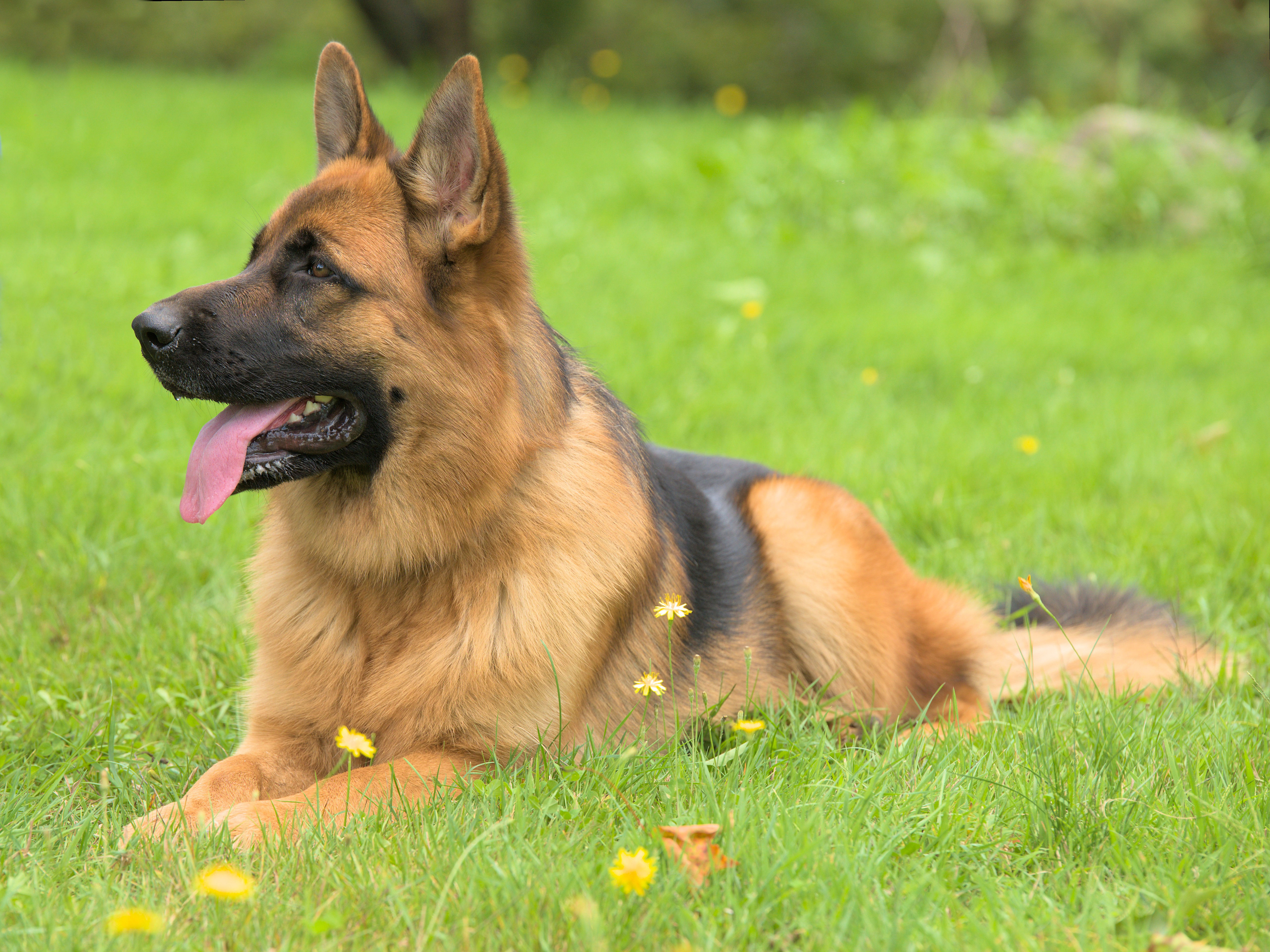
300-dpi_03-German_Shepherd_Dog_1471465_Erica_Taylor_aac2fb50-7fac-4e10-a6e3-9cfc60b8664e.jpg

#3 German Shepherd Dog

Developed in Germany in the late 1800s, the German Shepherd Dog was originally bred as a versatile herding dog.

Renowned for intelligence, courage and loyalty, the breed’s working ability has led to widespread use in police work, tracking and search and rescue. Despite their calm and steady nature indoors, German Shepherd Dogs require substantial exercise and benefit from structured training.

Regular brushing helps maintain their coat. Confident and dependable, they remain a top choice across Canada.
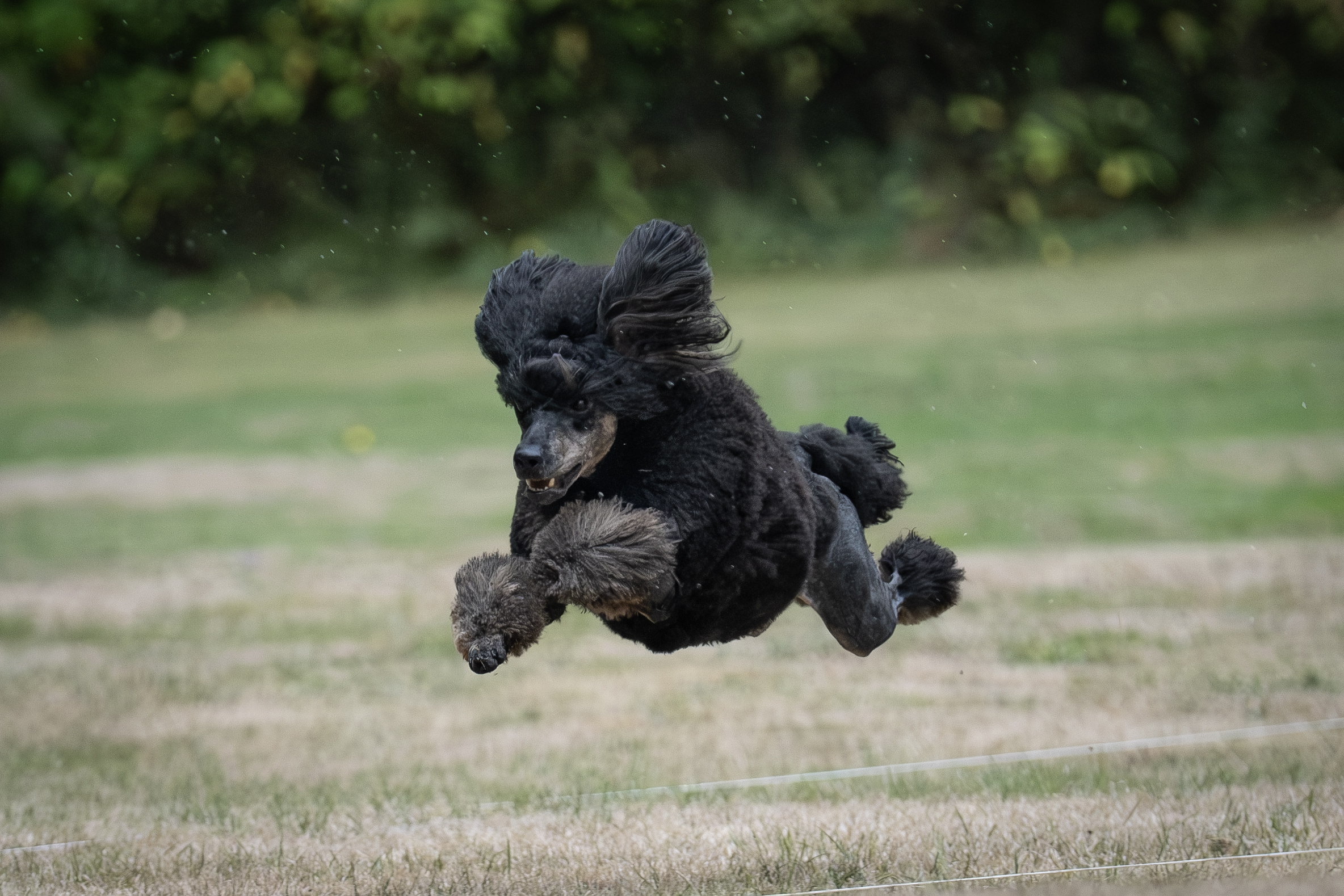
300-dpi_04-Miniature_Poodle_4401930_Robin_Miller_f711599d-d332-4688-9160-90739828bf36.jpg

#4 Poodle

Known in Europe since the 16th century, the Poodle was originally used as a retriever of waterfowl.
Available in Standard, Miniature and Toy varieties, the Poodle combines athleticism with remarkable intelligence. The breed requires regular exercise and consistent grooming, including clipping and brushing, to maintain its distinctive coat.

Whether competing in performance events or sharing quiet time at home, Poodles bring elegance and energy in equal measure.
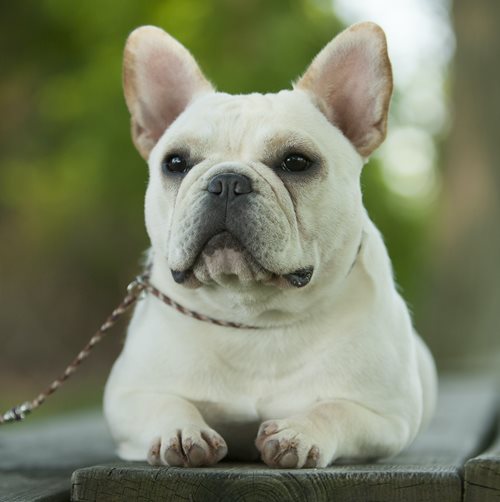
300-dpi_05-French-Bulldog-1.jpg

#5 French Bulldog

Developed from miniature Bulldogs brought from England to France in the 19th century, the French Bulldog has long been prized as a companion.

Compact and well-mannered, the breed is well suited to less active households. Grooming is quick and easy, and moderate exercise is typically sufficient.

Their expressive faces and affectionate personalities continue to make French Bulldogs a popular choice nationwide.
 
06-Australian_Shepherd_0669226_Robin_De-villiers_0e68b501-2df2-4d9c-916f-c1f567604678.jpg

#6 Australian Shepherd

Despite its name, the Australian Shepherd’s development traces back to Europe before becoming firmly established in North America.

Bred to herd livestock, the breed thrives on activity and requires regular exercise and mental stimulation. Australian Shepherds excel in agility, herding and other performance disciplines.

Low maintenance but not maintenance-free, their coat benefits from regular brushing. Energetic and highly trainable, they continue to grow in popularity.
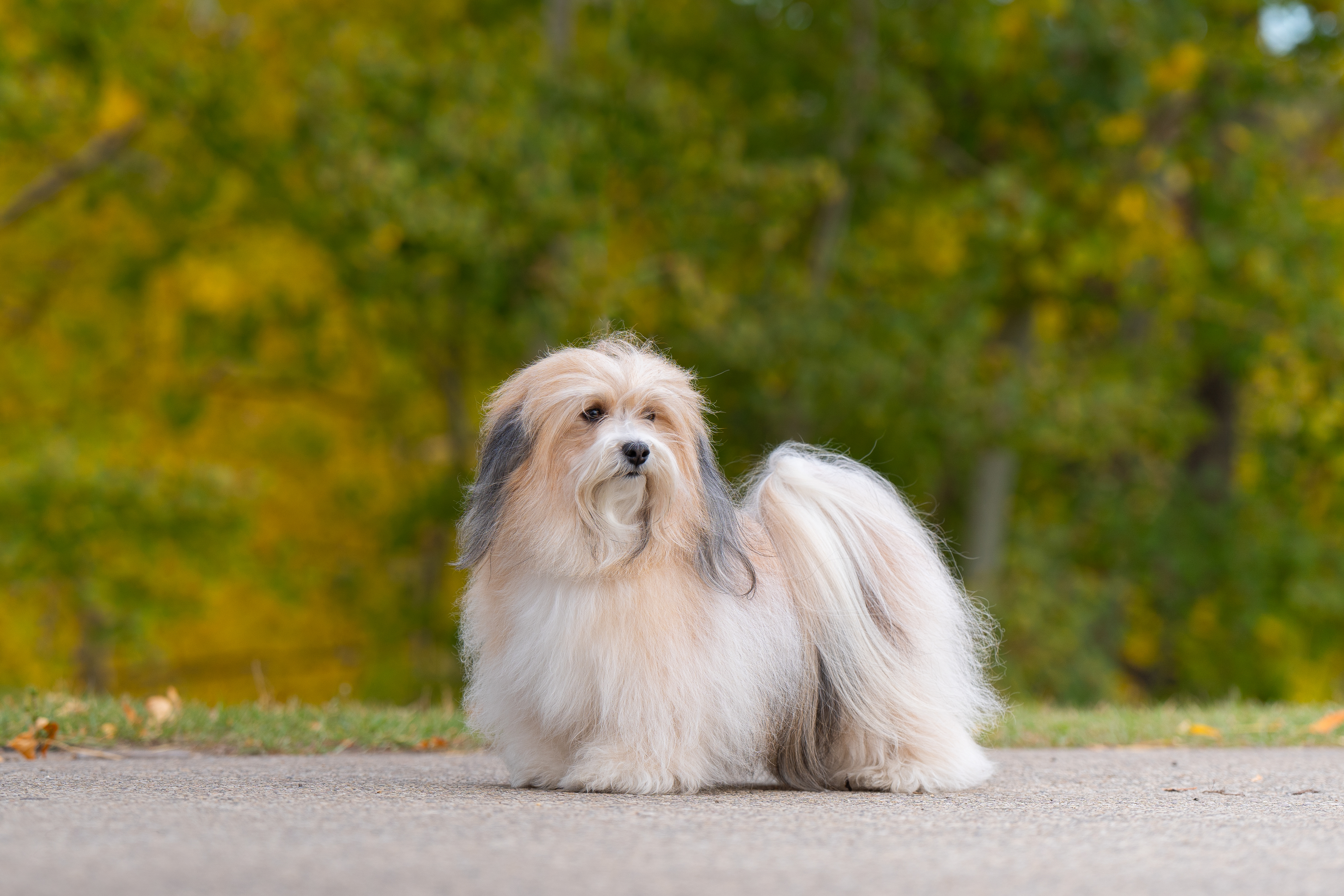
07-Havanese_1495282_Gabrielle_Kube_08f0bdff-c049-4fa3-b067-e009ffda6b12.jpg
#7 Havanese

A Cuban member of the Bichon family, the Havanese was bred primarily as a companion.

Affectionate and adaptable, the breed’s exercise needs are easily met, making it suitable for both city and suburban living. Regular brushing prevents matting and keeps the silky coat in good condition.

Its cheerful temperament continues to make it a favourite among Canadian families.
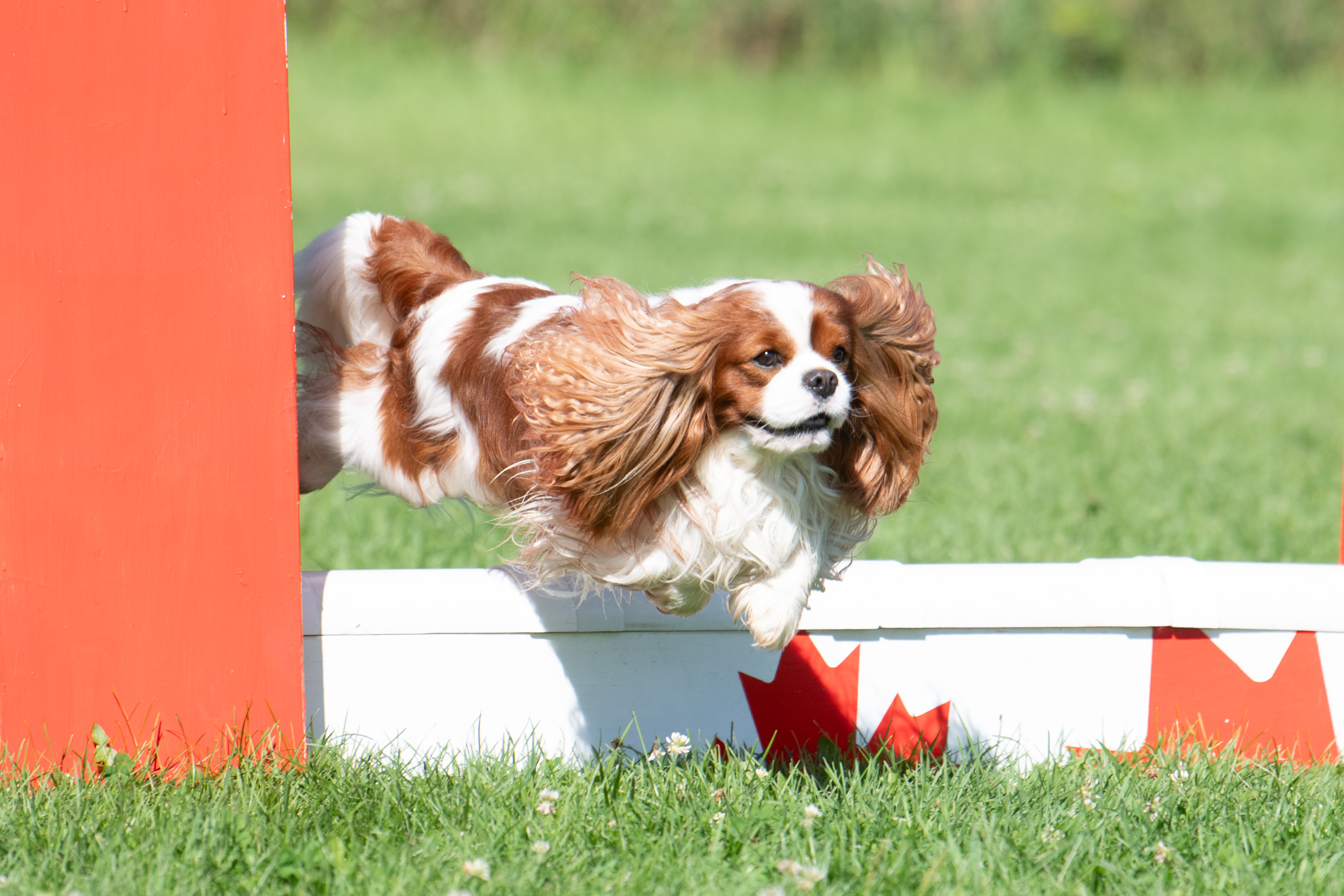
08-Cavalier_King_Charles_Spaniel_1500958_Alexandra_Wood_c9d4daeb-6547-4ff4-9e13-a6ab99117654.jpeg
#8 Cavalier King Charles Spaniel

Once favoured by King Charles II, the Cavalier King Charles Spaniel remains a devoted companion breed.
Playful and gentle, their exercise needs are easily satisfied. The silky coat requires brushing but no trimming is necessary.

Their affectionate nature ensures they remain firmly within Canada’s Top 10.
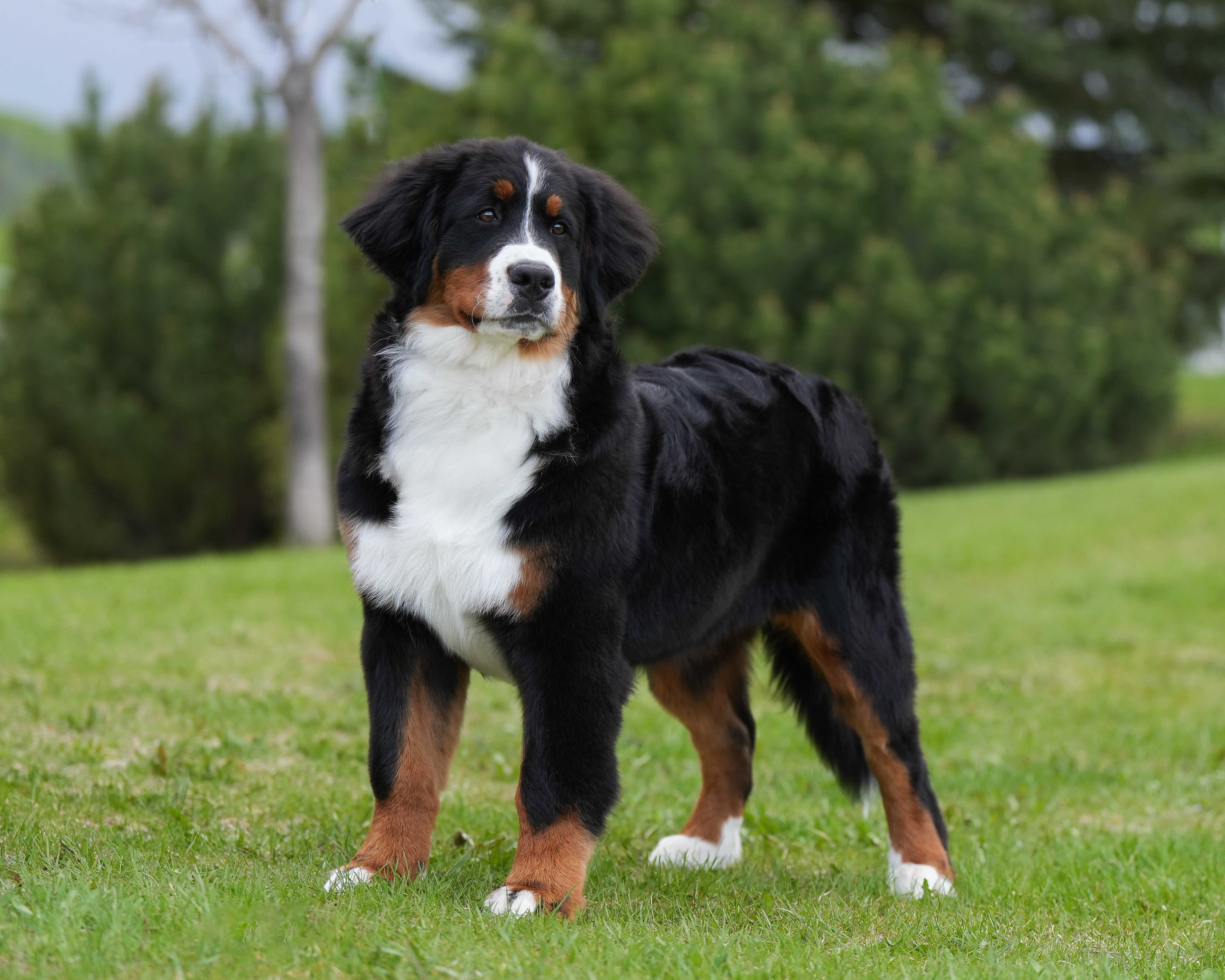
09-Bernese_Mountain_Dog_1495282_Debra-_Bowles_599aacc9-7a13-45eb-9172-8e5d38129fa3.jpg
#9 Bernese Mountain Dog

Originating in Switzerland’s Canton of Bern, this all-purpose farm dog once drove livestock and pulled carts to market.

Strong yet gentle, the Bernese Mountain Dog requires regular exercise and thorough brushing to maintain its striking tri-colour coat. They are calm, devoted and well suited to cooler climates.
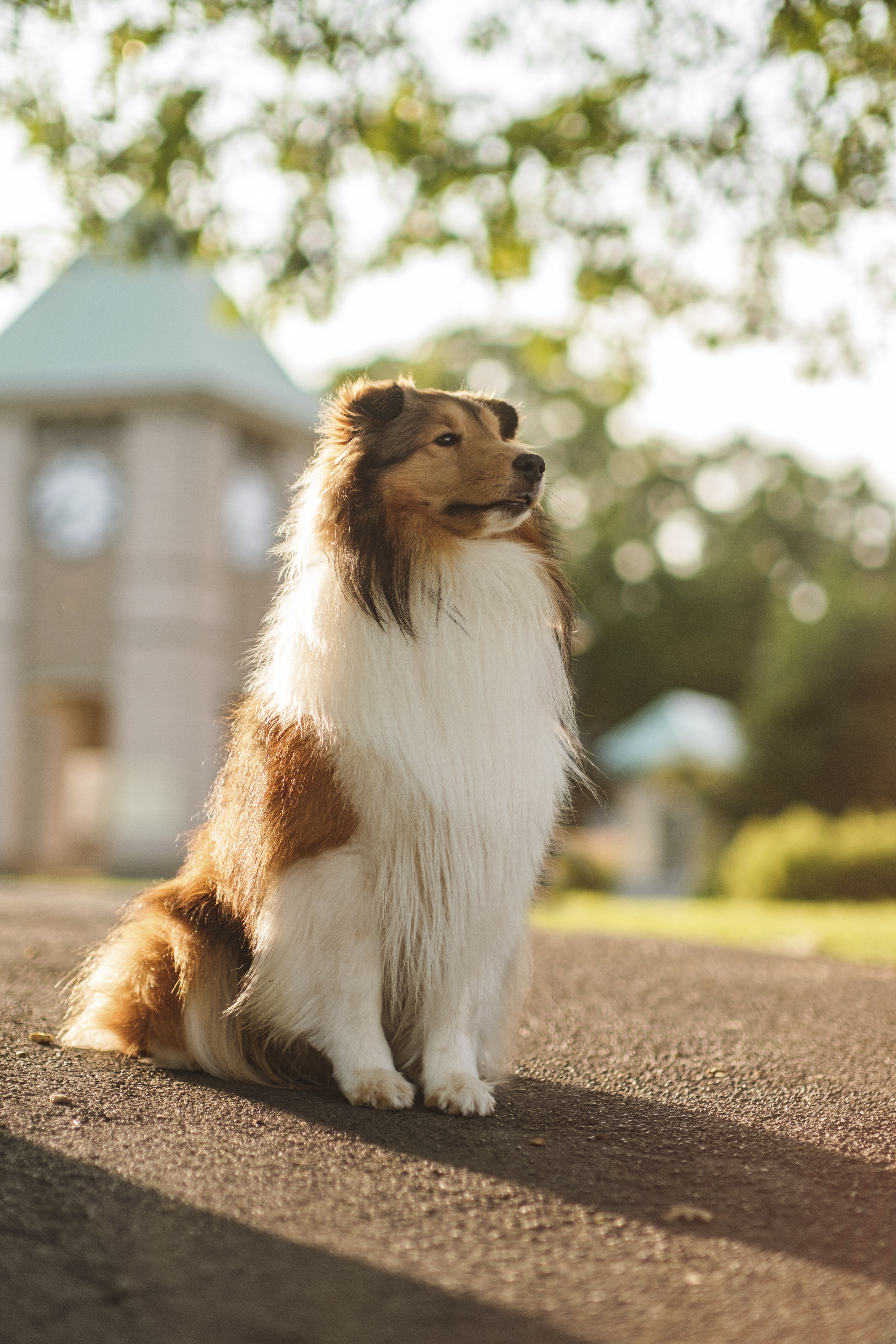
10-Shetland_Sheepdog_4587209_Jane_McLaren_38135b7e-c7bd-4a8e-90d0-551f31ec9654.jpg

#10 Shetland Sheepdog

The Shetland Sheepdog originated in the rugged Shetland Islands off the northeast coast of Scotland, where smaller dogs were well suited to managing the region’s equally small livestock.

Often affectionately called the “Sheltie,” the breed is known for its intelligence, responsiveness and strong desire to please. These qualities have helped the Shetland Sheepdog excel in obedience and other performance activities.

Alert, agile and sturdy, Shelties enjoy staying active and benefit from regular exercise and mental challenges. Their long double coat requires consistent brushing to keep it free of mats.

Loyal and affectionate companions, Shetland Sheepdogs round out this year’s Top 10.
 

What the 2025 Rankings Tell Us

Canada’s Top 10 continues to reflect a balance between versatile working breeds and devoted companions. Sporting and herding dogs remain strong, while smaller companion breeds maintain steady popularity across the country.

At the top of the list, the Labrador Retriever’s 32-year streak as Canada’s most popular breed highlights the enduring appeal of a dog known for its adaptability, intelligence and friendly temperament.

From active outdoor partners like the Australian Shepherd to affectionate companion breeds such as the Havanese and Cavalier King Charles Spaniel, the rankings reflect the many roles purebred dogs play in the lives of Canadians.

Whether helping on the farm, competing in performance sports or simply sharing everyday moments at home, these breeds demonstrate the lasting partnership between dogs and the people who love them.


Choosing the Right Breed for You

Inspired by this year’s Top 10? While popularity can be a helpful starting point, the most registered breed isn’t always the best match for every household.

Each breed has its own history, purpose and temperament, along with specific exercise, grooming and training needs. Taking the time to research thoroughly, connect with knowledgeable breeders and, whenever possible, meet dogs of the breed in person can make all the difference.

Consider your daily routine, activity level and long-term plans. A breed that thrives in an active outdoor setting may not be content in a quieter lifestyle, just as a devoted companion breed may prefer closer daily interaction.

For more detailed information about each breed, explore the Canadian Kennel Club’s breed pages and connect with the recognized national breed club for additional education and breeder referrals. Making an informed decision helps set both you and your future dog up for a successful partnership.
 

The opinions expressed by authors on the Canadian Kennel Club Blog and those providing comments are theirs alone, and do not reflect the opinions of the Canadian Kennel Club or any of its employees.

Les opinions et les commentaires exprimés dans le blogue du Club Canin Canadien sont ceux des auteurs et ils ne reflètent pas les opinions du Club Canin Canadien ni de ses employés.


Author InformationInformation sur l’auteur

Maddie Demarte

Maddie Demarte

Maddie Demarte is the Social Media and Communications Lead at the Canadian Kennel Club, where she leads social media strategies and content creation. With a strong background in communications, Maddie previously worked as a Communications Officer at the Georgetown Hospital Foundation, focusing on newsletters, social media, and marketing campaigns. Before that, she spent over five years with Rogers Sports & Media, including roles as a Reporter/Editor and Reporter/Anchor, where she honed her skills in journalism, social media best practices, and content production. With a passion for effective communication, Maddie brings expertise in social media marketing, written communication, videography, and online engagement to her role at the CKC.

Share this ArticlePartagez l’article

 
instagram logo
Comments
Blog post currently doesn't have any comments.
  Is seven > than one? (true/false) (please enter the answer to the question or statement)

Previous Post >Prochain article > Previous Post >Prochain article > Previous Post >Prochain article > Previous Post >Prochain article > Previous Post >Prochain article > Previous Post >Prochain article > Previous Post >Prochain article > Previous Post >Prochain article > Previous Post >Prochain article > Previous Post >Prochain article > Previous Post >Prochain article > Previous Post >Prochain article > Previous Post >Prochain article > Previous Post >Prochain article > Previous Post >Prochain article > Previous Post >Prochain article > Previous Post >Prochain article > Previous Post >Prochain article > Previous Post >Prochain article > Previous Post >Prochain article > Previous Post >Prochain article > Previous Post >Prochain article > Previous Post >Prochain article > Previous Post >Prochain article > Previous Post >Prochain article > Previous Post >Prochain article > Previous Post >Prochain article > Previous Post >Prochain article > Previous Post >Prochain article > Previous Post >Prochain article > Previous Post >Prochain article > Previous Post >Prochain article > Previous Post >Prochain article > Previous Post >Prochain article > Previous Post >Prochain article > Previous Post >Prochain article > Previous Post >Prochain article > Previous Post >Prochain article > Previous Post >Prochain article > Previous Post >Prochain article > Previous Post >Prochain article > Previous Post >Prochain article > Previous Post >Prochain article > Previous Post >Prochain article > Previous Post >Prochain article > Previous Post >Prochain article > Previous Post >Prochain article > Previous Post >Prochain article > Previous Post >Prochain article > Previous Post >Prochain article > Previous Post >Prochain article > Previous Post >Prochain article > Previous Post >Prochain article > Previous Post >Prochain article > Previous Post >Prochain article > Previous Post >Prochain article > Previous Post >Prochain article > Previous Post >Prochain article > Previous Post >Prochain article > Previous Post >Prochain article > Previous Post >Prochain article > Previous Post >Prochain article > Previous Post >Prochain article > Previous Post >Prochain article > Previous Post >Prochain article > Previous Post >Prochain article > Previous Post >Prochain article > Previous Post >Prochain article > Previous Post >Prochain article > Previous Post >Prochain article > Previous Post >Prochain article > Previous Post >Prochain article > Previous Post >Prochain article > Previous Post >Prochain article > Previous Post >Prochain article > Previous Post >Prochain article > Previous Post >Prochain article > Previous Post >Prochain article > Previous Post >Prochain article > Previous Post >Prochain article > Previous Post >Prochain article > Previous Post >Prochain article > Previous Post >Prochain article > Previous Post >Prochain article > Previous Post >Prochain article > Previous Post >Prochain article > Previous Post >Prochain article > Previous Post >Prochain article > Previous Post >Prochain article > Previous Post >Prochain article > Previous Post >Prochain article > Previous Post >Prochain article > Previous Post >Prochain article > Previous Post >Prochain article > Previous Post >Prochain article > Previous Post >Prochain article > Previous Post >Prochain article > Previous Post >Prochain article > Previous Post >Prochain article > Previous Post >Prochain article > Previous Post >Prochain article > Previous Post >Prochain article > Previous Post >Prochain article > Previous Post >Prochain article > Previous Post >Prochain article > Previous Post >Prochain article > Previous Post >Prochain article > Previous Post >Prochain article > Previous Post >Prochain article > Previous Post >Prochain article > Previous Post >Prochain article > Previous Post >Prochain article > Previous Post >Prochain article > Previous Post >Prochain article > Previous Post >Prochain article > Previous Post >Prochain article > Previous Post >Prochain article > Previous Post >Prochain article > Previous Post >Prochain article > Previous Post >Prochain article > Previous Post >Prochain article > Previous Post >Prochain article > Previous Post >Prochain article > Previous Post >Prochain article > Previous Post >Prochain article > Previous Post >Prochain article > Previous Post >Prochain article > Previous Post >Prochain article > Previous Post >Prochain article > Previous Post >Prochain article > Previous Post >Prochain article > Previous Post >Prochain article > Previous Post >Prochain article > Previous Post >Prochain article > Previous Post >Prochain article > Previous Post >Prochain article > Previous Post >Prochain article > Previous Post >Prochain article > Previous Post >Prochain article > Previous Post >Prochain article > Previous Post >Prochain article > Previous Post >Prochain article > Previous Post >Prochain article > Previous Post >Prochain article > Previous Post >Prochain article > Previous Post >Prochain article > Previous Post >Prochain article > Previous Post >Prochain article > Previous Post >Prochain article > Previous Post >Prochain article > Previous Post >Prochain article > Previous Post >Prochain article > Previous Post >Prochain article > Previous Post >Prochain article > Previous Post >Prochain article > Previous Post >Prochain article > Previous Post >Prochain article > Previous Post >Prochain article > Previous Post >Prochain article > Previous Post >Prochain article > Previous Post >Prochain article > Previous Post >Prochain article > Previous Post >Prochain article > Previous Post >Prochain article > Previous Post >Prochain article > Previous Post >Prochain article > Previous Post >Prochain article > Previous Post >Prochain article > Previous Post >Prochain article > Previous Post >Prochain article > Previous Post >Prochain article > Previous Post >Prochain article > Previous Post >Prochain article > Previous Post >Prochain article > Previous Post >Prochain article > Previous Post >Prochain article > Previous Post >Prochain article > Previous Post >Prochain article > Previous Post >Prochain article > Previous Post >Prochain article > Previous Post >Prochain article > Previous Post >Prochain article > Previous Post >Prochain article > Previous Post >Prochain article > Previous Post >Prochain article > Previous Post >Prochain article > Previous Post >Prochain article > Previous Post >Prochain article > Previous Post >Prochain article > Previous Post >Prochain article > Previous Post >Prochain article > Previous Post >Prochain article > Previous Post >Prochain article > Previous Post >Prochain article > Previous Post >Prochain article > Previous Post >Prochain article > Previous Post >Prochain article > Previous Post >Prochain article > Previous Post >Prochain article > Previous Post >Prochain article > Previous Post >Prochain article > Previous Post >Prochain article > Previous Post >Prochain article > Previous Post >Prochain article > Previous Post >Prochain article > Previous Post >Prochain article > Previous Post >Prochain article > Previous Post >Prochain article > Previous Post >Prochain article > Previous Post >Prochain article > Previous Post >Prochain article > Previous Post >Prochain article > Previous Post >Prochain article > Previous Post >Prochain article > Previous Post >Prochain article > Previous Post >Prochain article > Previous Post >Prochain article > Previous Post >Prochain article > Previous Post >Prochain article > Previous Post >Prochain article > Previous Post >Prochain article > Previous Post >Prochain article > Previous Post >Prochain article > Previous Post >Prochain article > Previous Post >Prochain article > Previous Post >Prochain article > Previous Post >Prochain article > Previous Post >Prochain article > Previous Post >Prochain article > Previous Post >Prochain article > Previous Post >Prochain article >


AccueilHome > Blog > March 2025 > Canada’s Top 10 Most Popular Breeds in 2025